

Actor Naga Chaitanya has taken legal action against what he describes as a growing wave of false and harmful content circulating online about his personal life, particularly allegations linked to his divorce from Samantha Ruth Prabhu.
The actor recently approached the Delhi High Court seeking protection of his personality rights, arguing that several digital platforms and social media accounts have been using his name, image and identity without permission while spreading unverified claims that have damaged his reputation.
At the centre of the case are allegations suggesting that Naga Chaitanya cheated on his former wife Samantha Ruth Prabhu and was responsible for harming her career—claims that his legal team has strongly denied.
Court Hears Concerns Over Online Content
The matter came up before Justice Jyoti Singh of the Delhi High Court on May 29.
During the hearing, Naga Chaitanya’s counsel, advocate Vaibhav Gaggar, argued that the actor had become the target of online trolling disguised as criticism.
According to the lawyer, several posts and videos circulating on the internet falsely accuse the actor of infidelity and portray him as the reason behind Samantha’s professional setbacks.
“This is trolling, this is not fair criticism,” the counsel told the court.
The legal team also raised concerns about the increasing misuse of artificial intelligence to generate videos and content featuring the actor without his consent.
Apart from defamatory claims, the petition reportedly highlights the circulation of AI-generated videos, unauthorised merchandise and even objectionable material allegedly using Naga Chaitanya’s identity.
According to the actor, such content has caused significant harm to his public image, personal dignity and privacy.
Delhi High Court Signals Protection
During the proceedings, Justice Jyoti Singh observed that while celebrities and public figures naturally face greater public scrutiny than ordinary individuals, there must still be limits.
The court acknowledged concerns regarding the misuse of personality rights and indicated that it would pass an interim order aimed at protecting Naga Chaitanya’s identity from unauthorised exploitation.
The Delhi High Court subsequently issued summons in the matter.
The next hearing has been scheduled for September 30.
Naga Chaitanya on Moving Forward After Divorce
The actor has previously addressed public curiosity surrounding his separation from Samantha Ruth Prabhu.
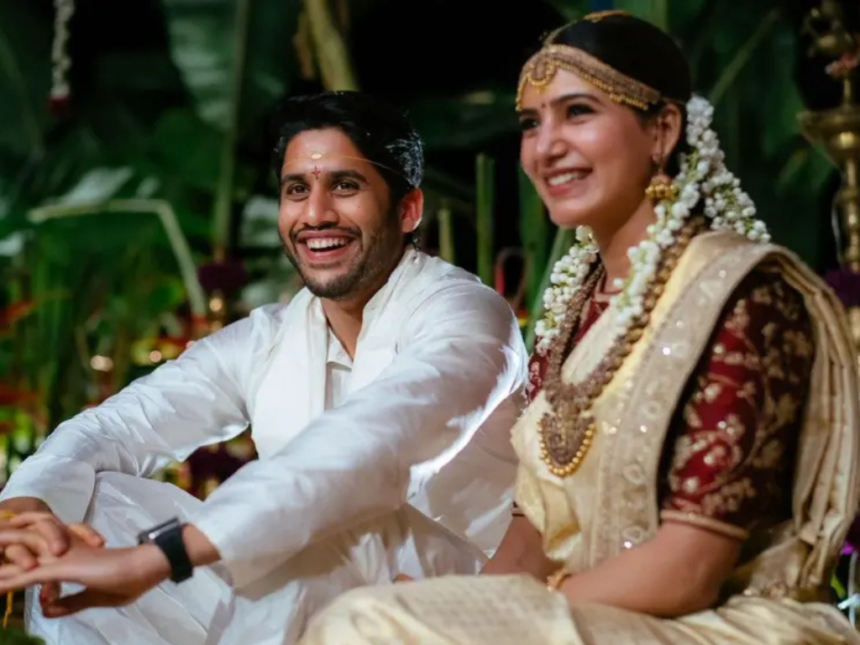
Naga Chaitanya and Samantha married in 2017 after years of dating and quickly became one of the South Indian film industry’s most loved celebrity couples. However, the pair announced their separation in 2021, ending months of speculation.
Since then, numerous theories about the reasons behind the divorce have continued to circulate online, despite neither actor publicly discussing the details of their split.
Speaking earlier on the Raw Talks with VK podcast, Naga Chaitanya explained that both he and Samantha had chosen different paths in life.
“We both wanted to choose unique paths in life. It happened for our own reasons, and we live with respect for each other. I don’t understand why I need any further explanation. We are both moving forward and living our lives,” he said.
His comments reflected a desire to move beyond speculation and focus on the future rather than revisiting the past.
New Chapters for Both Stars
Both actors have since moved on in their personal lives.
Naga Chaitanya married actress Sobhita Dhulipala in December 2024, beginning a new chapter after his divorce.
Meanwhile, Samantha Ruth Prabhu married filmmaker Raj Nidimoru in December 2025.
Despite both stars publicly moving forward, discussions surrounding their former relationship continue to generate attention online, often leading to speculation and misinformation.
A Larger Debate About Celebrity Privacy
The case has also reignited conversations about celebrity privacy in the age of social media and artificial intelligence.
With AI-generated content becoming increasingly sophisticated, public figures around the world are facing new challenges involving identity misuse, deepfakes and the spread of misleading narratives.
For Naga Chaitanya, the legal action appears to be less about criticism and more about drawing a line between public discussion and what his legal team calls deliberate misinformation.
As the case proceeds, it could become another important example of how Indian courts address personality rights and digital identity protection in an era where online content can spread globally within minutes.