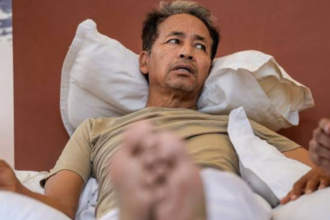





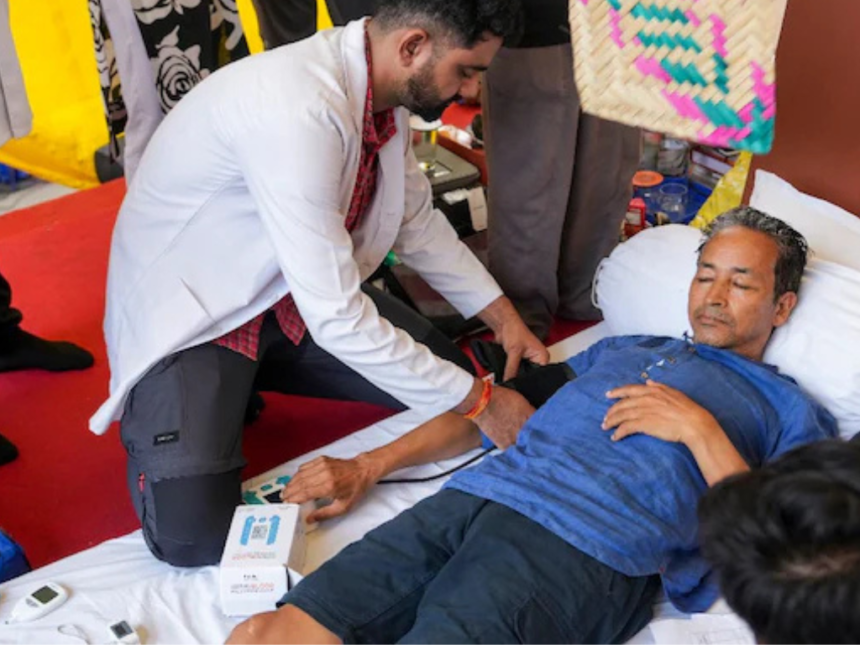
Climate activist and education reformist Sonam Wangchuk’s indefinite hunger strike has entered its 18th day, with concerns growing over his health condition. Amid reports of significant weight loss, a petition has been filed before the Delhi High Court seeking urgent medical intervention to protect his life.
The plea was filed by activist-lawyer Rakesh Kumar Saini, requesting immediate steps to ensure Wangchuk receives necessary medical care. The petition seeks his hospitalisation and administration of a liquid diet containing essential nutrients and protein, arguing that such intervention is necessary given the prolonged nature of his fast.
Petition Raises Concerns Over Wangchuk’s Health
According to the petition, Wangchuk’s continued hunger strike has raised serious health concerns and requires immediate attention. The plea states that allowing his condition to deteriorate further could have serious consequences.
The petitioner warned that any loss of life during the protest would be deeply concerning, describing it as “a matter of great shame for the country and the world.” The petition urged authorities to take timely action rather than wait for a medical emergency to occur.
Supporters of Wangchuk have claimed that he has lost around 8.5 kg since beginning his indefinite fast. They have expressed concern about the impact of prolonged fasting on his physical condition and have appealed for steps to ensure his safety.
Wangchuk’s Protest and Demands
Sonam Wangchuk, known for his work in climate activism and education reform, began the hunger strike as part of a larger campaign highlighting concerns related to the future of Ladakh. His supporters have been demanding greater attention to environmental protection, local governance issues, and safeguards for the region’s fragile ecosystem.
The protest has attracted attention from environmental groups, activists, and supporters across the country, with many calling for dialogue and a resolution.
Growing Calls for Medical Support
As the fast continues, voices urging medical intervention have grown stronger. Supporters believe that while Wangchuk’s protest reflects a larger environmental and social cause, his health must not be compromised.
The petition before the Delhi High Court now seeks immediate action to ensure that Wangchuk remains medically stable while discussions continue over the issues raised through his protest.
The coming days are expected to be crucial as authorities, supporters, and legal representatives await further developments regarding both Wangchuk’s health and the court’s response to the plea.