

For years, cinema built Punjab as a dream golden fields, loud celebrations, endless love stories, and a homeland that existed more in imagination than reality. But over time, films and web series have started peeling that illusion away, showing a Punjab that is complex, wounded, political, and deeply real.
- Dilwale Dulhania Le Jayenge (1995): The Birth of Nostalgic Punjab
- Veer-Zaara (2004): Love Across Borders, Punjab as Memory
- Jab We Met (2007): Punjab as a Place of Healing
- Pinjar (2003): The Dark Truth of Partition
- Dev.D (2009): The Broken “Pind” Reality
- Udta Punjab (2016): A State in Crisis
- Manmarziyaan (2018): Modern Love, Emotional Chaos
- Amar Singh Chamkila (2024): Fame, Caste and Violence
- Kohrra (2023–2026): The New Punjab Reality
- Dhurandhar 2: The Revenge (2026): Punjab as Political Battlefield
- Punjab ’95: The Film That Cannot Speak Freely
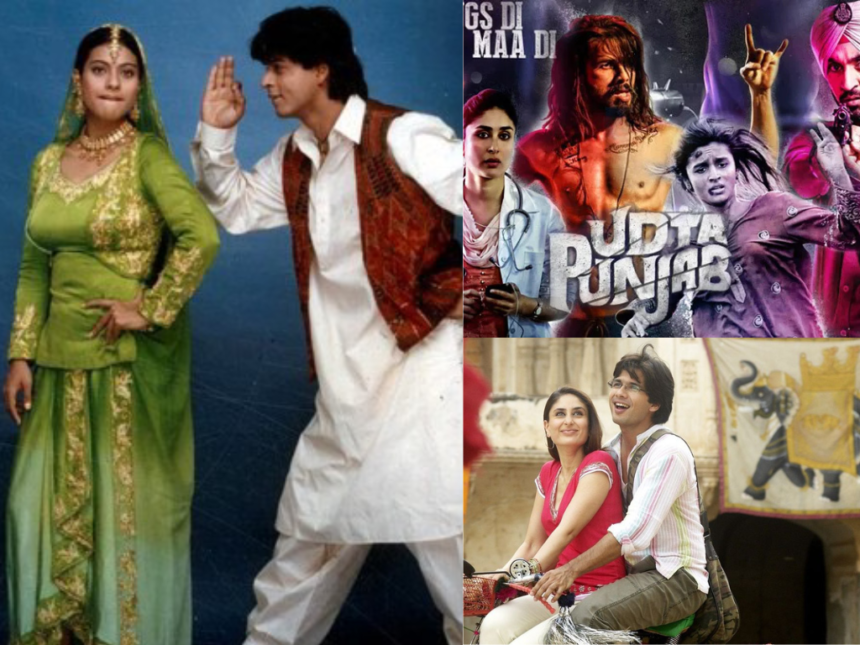
Dilwale Dulhania Le Jayenge (1995): The Birth of Nostalgic Punjab

Dilwale Dulhania Le Jayenge is one of the most iconic love stories in Indian cinema, starring Shah Rukh Khan and Kajol. But beyond romance, it built the foundation of “cinematic Punjab.”
The film shows Baldev Singh, a Punjabi father living in London, who dreams of returning to his homeland but is emotionally trapped in migration. Punjab here is not just geography it is memory, identity, and longing.
The famous mustard fields, folk songs, and village celebrations created a permanent image of Punjab as pure, emotional, and untouched by pain a land of eternal belonging.
Veer-Zaara (2004): Love Across Borders, Punjab as Memory
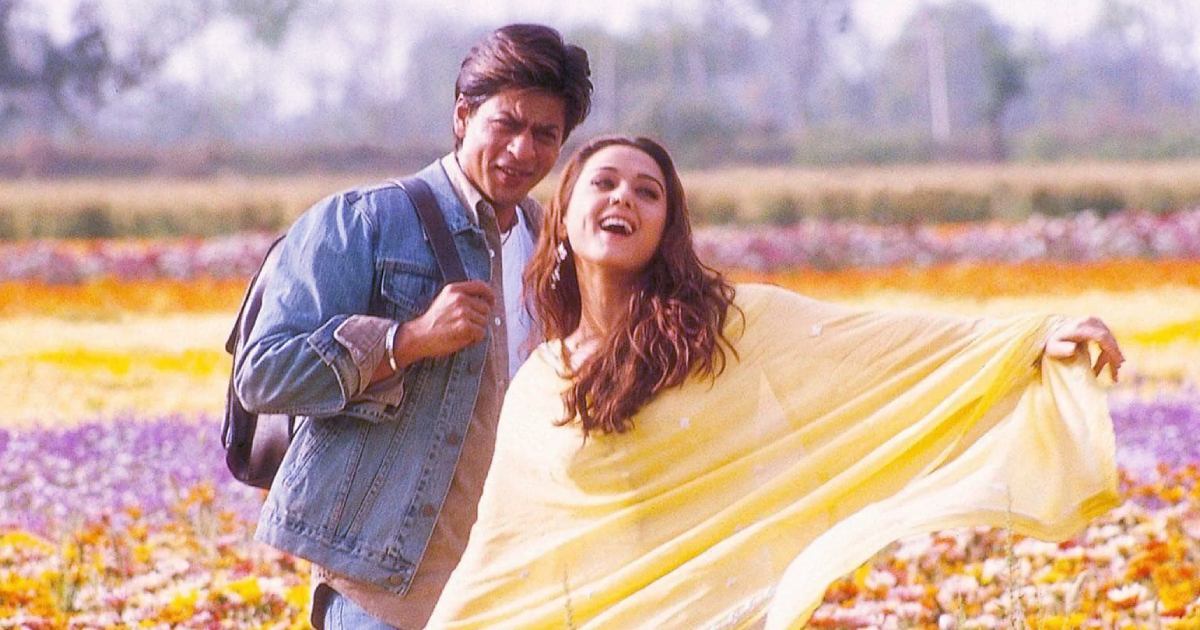
Veer-Zaara tells the story of Veer (Shah Rukh Khan), an Indian Air Force officer, and Zaara (Preity Zinta), a Pakistani woman.
Punjab in this film is divided by borders but united emotionally. The film uses Punjab as a symbol of shared culture between India and Pakistan, focusing on sacrifice, separation, and timeless love.
Here, Punjab becomes a spiritual homeland rather than a physical one — frozen in memory, not reality.
Jab We Met (2007): Punjab as a Place of Healing

Jab We Met follows Geet (Kareena Kapoor), a lively Punjabi girl who brings chaos and warmth into the life of a broken businessman.
Her home in Bhatinda is shown as loud, colorful, and emotionally rich. Unlike earlier films, Punjab here is not just nostalgia — it becomes a space of emotional recovery.
However, it still stays within the comfort zone of a “happy Punjab,” avoiding deeper social issues.
Pinjar (2003): The Dark Truth of Partition

Pinjar is based on Amrita Pritam’s novel and set during Partition.
The story follows a woman abducted during communal violence and her lifelong trauma. Unlike romantic films, this one shows Punjab as a land torn apart by violence, especially targeting women’s bodies and identities.
It removes all romantic filters and shows Punjab as a space of loss, trauma, and survival.
Dev.D (2009): The Broken “Pind” Reality

Dev.D is a modern retelling of Devdas, directed by Anurag Kashyap.
Set partly in Punjab, the film destroys the idea of the “pure village.” Instead, the pind becomes a space of emotional suffocation, patriarchy, and self-destruction.
It shows a generation trapped between tradition and chaos, addiction and identity crisis.
Udta Punjab (2016): A State in Crisis

Udta Punjab exposes Punjab’s drug epidemic.
The story follows a drug-addicted singer, a migrant worker, a doctor, and a police officer — all connected by the state’s collapsing youth culture.
Punjab is no longer romantic it is broken. Mustard fields are replaced by drug labs, violence, and political negligence. This film shattered Bollywood’s earlier “happy Punjab” image completely.
Manmarziyaan (2018): Modern Love, Emotional Chaos

Manmarziyaan explores love triangles in Amritsar.
Unlike traditional romance, this film shows toxic relationships, emotional immaturity, and impulsive decisions. Punjab here is modern but unstable — where love is messy, not idealised.
It reflects a generation struggling between tradition and freedom.
Amar Singh Chamkila (2024): Fame, Caste and Violence
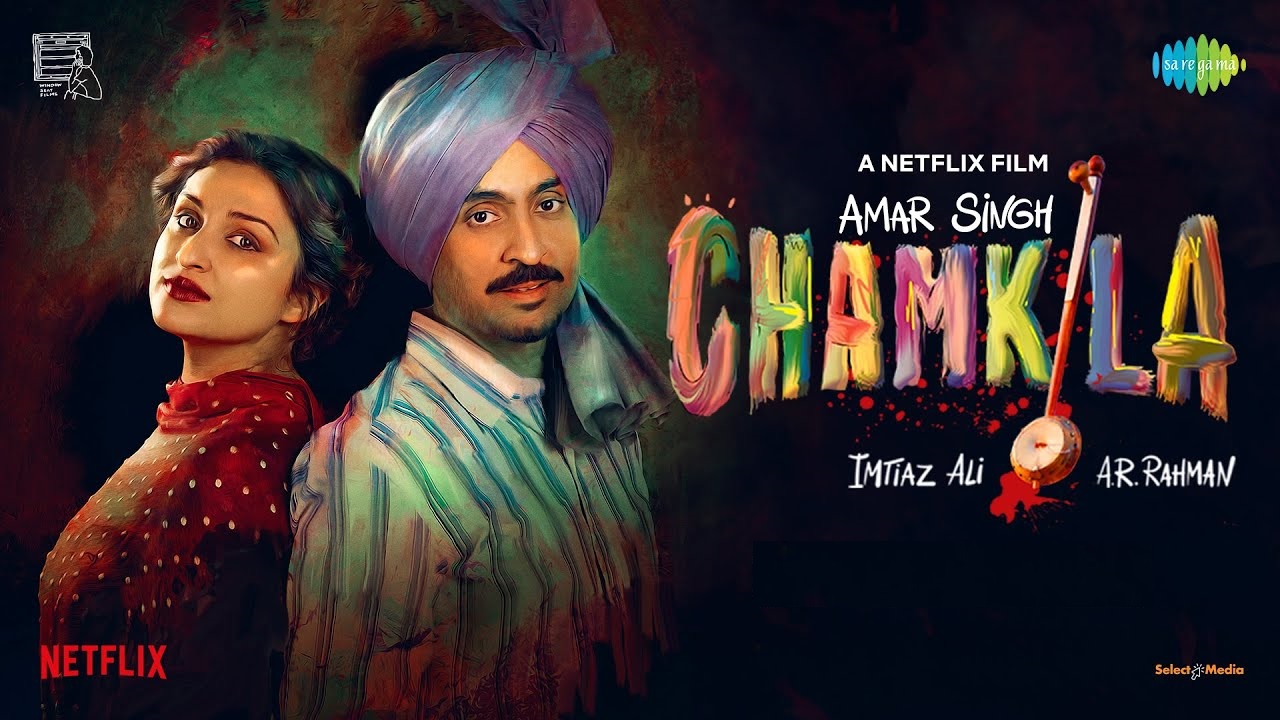
Amar Singh Chamkila tells the true story of Punjab’s legendary folk singer.
Chamkila’s rise shows how folk music was both celebrated and condemned. His songs reflected caste realities, sexuality, and social hypocrisy — eventually leading to his assassination.
Punjab here becomes politically charged, where art itself becomes dangerous.
Kohrra (2023–2026): The New Punjab Reality

Kohrra is a crime thriller set in rural Punjab.
It begins as a murder investigation but slowly reveals deeper issues — caste oppression, toxic masculinity, alcoholism, and migrant labour exploitation.
Unlike older films, there is no “ideal Punjab” here. Even villages are shown as places of silence, buried trauma, and everyday violence.
Dhurandhar 2: The Revenge (2026): Punjab as Political Battlefield

Dhurandhar 2: The Revenge turns Punjab into a geopolitical conflict zone.
The story follows a young man shaped by loss and state conflict, transforming into an intelligence operative. Punjab here is not nostalgia or romance — it is strategy, betrayal, and survival.
The “gabru” image is redefined into something darker and more controlled by systems of power.
Punjab ’95: The Film That Cannot Speak Freely
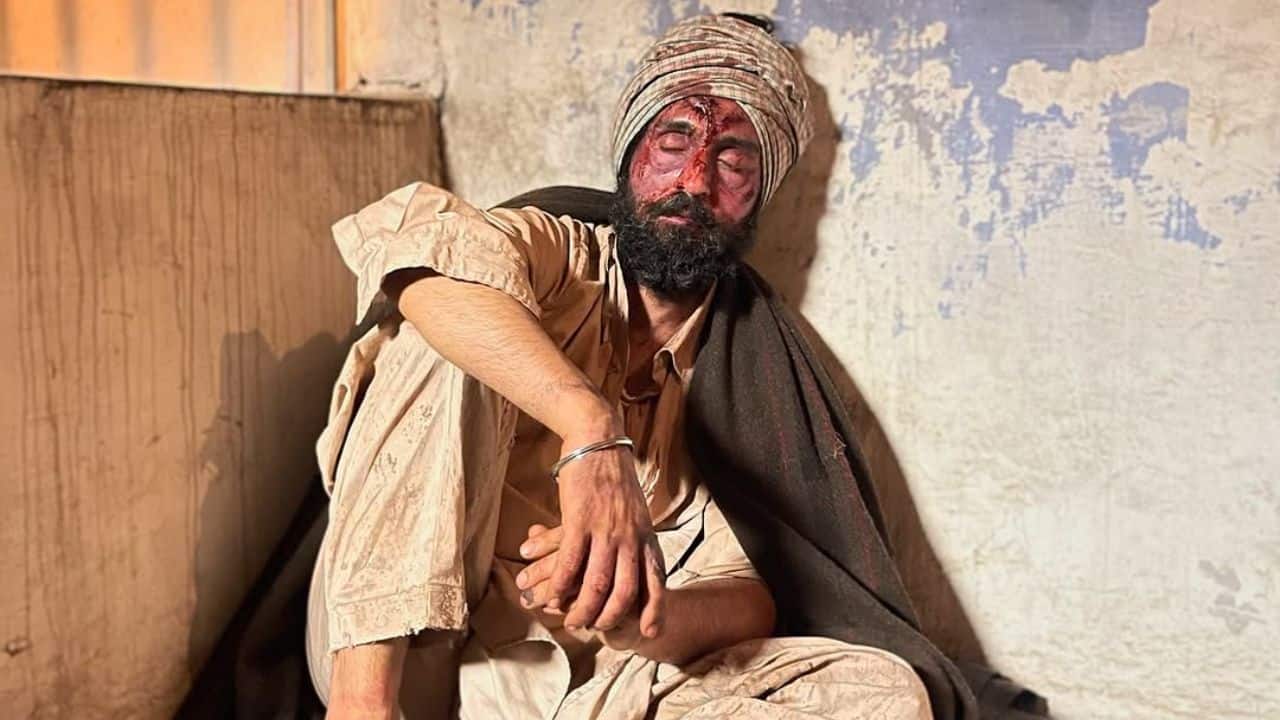
Punjab ’95 is based on real-life human rights activist Jaswant Singh Khalra.
It deals with enforced disappearances and state violence in Punjab during the 1990s. However, the film has faced heavy censorship issues, including demands to remove references to Punjab itself.
It represents how sensitive and contested Punjab’s history still remains in cinema.
What began as a “lost homeland” in films like DDLJ has transformed into a deeply layered, often painful reality in films like Udta Punjab and Kohrra. By stripping away the golden filter, modern storytelling is no longer preserving an illusion it is finally showing Punjab as it truly is: living, breathing, and still healing from its past.