




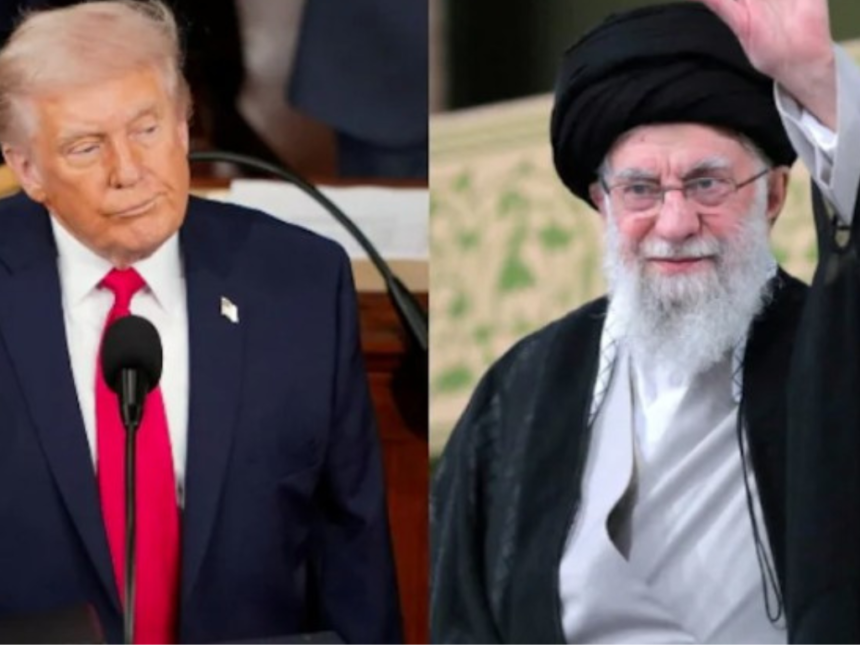
Trump Claims Iran’s Supreme Leader “Dead or in Very Bad Shape” as Conflict with Tehran Escalates
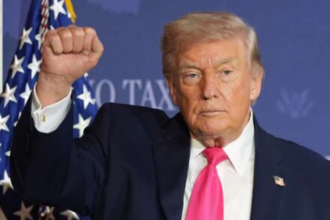
At the Future Investment Initiative Priority Summit in Miami, U.S. President Donald Trump made a striking claim about the status of Mojtaba Khamenei, the newly appointed Supreme Leader of Iran. Trump asserted that Khamenei is “either dead or in very bad shape” and claimed that recent U.S. and allied military operations have significantly weakened Tehran’s leadership and defence capabilities.
Trump’s comments formed part of a broader assessment of the military campaign against Iran’s forces, where he suggested Iran’s air force, naval fleet, and command structure have been “completely destroyed.” However, there has been no independent verification of the president’s claims, and other sources indicate that Iran’s military capabilities may still pose a threat.
Conflicting Reports on Khamenei’s Condition
Trump’s statements reflect ongoing speculation and uncertainty surrounding Mojtaba Khamenei’s health and whereabouts. While Trump suggested his condition is dire, Iranian officials and other reports have been less definitive. Recent reports confirm that Khamenei was injured in earlier airstrikes that also killed his predecessor, Ayatollah Ali Khamenei, but details about the severity and current status of his health remain unclear.
Iran’s government has publicly denied that Khamenei’s condition is critical and dismissed rumours about his health. Tehran has released written statements attributed to him, but these have not been accompanied by video or audio, fueling further speculation about the veracity and transparency of the situation.
Military Operations and Strategic Claims
Trump’s remarks come amid an ongoing military campaign involving U.S. and Israeli forces. He has repeatedly touted the degradation of Iran’s military infrastructure, including strikes on what the U.S. describes as missile, drone, and naval assets. Trump has urged Tehran to negotiate, claiming the campaign has brought Iran to the brink of defeat.
Yet the situation on the ground appears more complex. Independent and expert assessments suggest that while Iran’s military has sustained heavy damage, it continues to launch missile and drone strikes and maintains operational capabilities in some areas. Strategic assets and hardened facilities remain a challenge for sustained U.S.-led efforts to neutralise Tehran’s full military strength.
Diplomatic and Security Implications
Analysts and regional observers caution that public statements about the total destruction of Iran’s armed forces or leadership may overstate the current impact of the conflict and complicate diplomatic efforts. Iran’s ability to adapt, coupled with unresolved questions about its leadership’s condition, underscores the fluid and unpredictable nature of the ongoing confrontation.
As tensions continue, the international community remains watchful of how the narrative surrounding Iran’s leadership—and the broader conflict—will evolve in the days ahead.