





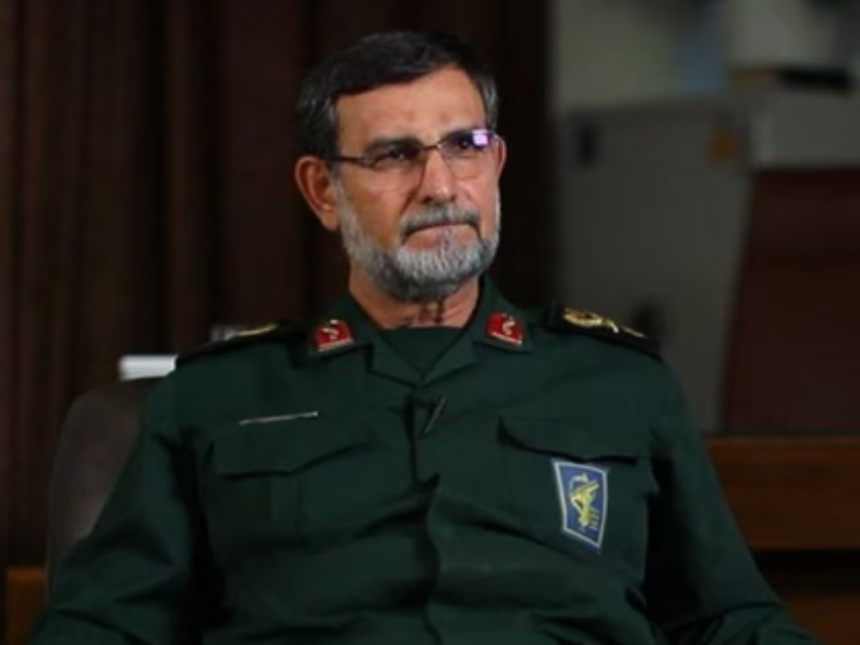
Iran Confirms Death of Senior IRGC Naval Commander Alireza Tangsiri Amid Escalating Regional Conflict
Iran’s Islamic Revolutionary Guard Corps (IRGC) has confirmed the death of Alireza Tangsiri, the senior naval commander of its elite naval forces, marking one of the most significant military losses for Tehran amid the ongoing hostilities involving Iran, Israel, and the United States.
Tangsiri, who led the IRGC Navy — a key component of Iran’s asymmetric maritime strategy — sustained severe injuries during recent regional hostilities and later succumbed to them, Iranian authorities stated Monday. The announcement follows earlier claims by Israeli military officials that he had been killed in a targeted operation.
A Key Figure in Iran’s Maritime Strategy
Commodore Alireza Tangsiri was widely seen as one of Iran’s most important military leaders in shaping the Islamic Republic’s naval posture in the Persian Gulf and especially around the Strait of Hormuz — a vital global shipping route through which a significant portion of the world’s oil exports pass. He had been at the helm of the IRGC Navy since August 2018 and was instrumental in directing operations that asserted Tehran’s influence over key waterways.
The IRGC Navy under Tangsiri focused on deploying fast attack craft, missile boats, and other asymmetric naval assets designed to challenge conventional forces and disrupt maritime traffic if necessary. His command also oversaw strategic deployments near the Strait of Hormuz, a move that drew sharp criticism from Western powers concerned about freedom of navigation and regional security.
Context of His Death and Escalating Conflict
Tangsiri’s death comes against the backdrop of intensifying military confrontations between the U.S.–Israel coalition and Iranian forces. According to earlier statements by Israel’s Defence Minister, the Israel Defense Forces (IDF) conducted a precise operation targeting Tangsiri and other senior IRGC naval leaders in Bandar Abbas, a major port city in Iran’s south, on March 26. This strike was described by Israeli officials as part of efforts to weaken Iran’s ability to project naval power and to reopen key maritime routes.
The United States’ Central Command had also previously confirmed his death, further affirming the impact of coordinated operations against top Iranian commanders.
Tangsiri’s death is being viewed as a significant escalation in the conflict, punctuating weeks of intense military exchanges in and around Iranian territory, including airstrikes on strategic sites and Iranian missile and drone launches targeting allied interests.
Regional and Global Implications
The loss of Tangsiri carries substantial implications for regional security dynamics. As a prominent architect of Iran’s maritime strategy, his leadership played a pivotal role in how Tehran asserts control over the Persian Gulf environment — particularly at a time when tensions have disrupted commercial shipping and raised fears of wider conflict.
The situation has had global economic repercussions, including fluctuations in oil prices and heightened concerns over the security of international trade routes. The confirmed death of such a senior military figure underscores the intensity of current hostilities and highlights the potential for further escalation if diplomatic channels do not gain traction.
Looking Ahead
With the official confirmation of Tangsiri’s death, analysts expect further scrutiny of Iran’s naval command structure and broader military strategy. Within Tehran, replacing a commander of his stature could prompt shifts in leadership and operational priorities, even as global powers closely monitor developments in the broader Middle East conflict.
The broader implications extend beyond military strategy, impacting diplomatic efforts, international negotiations, and global economic stability — particularly as nations weigh responses to the evolving confrontation and seek to prevent further escalation.