




Onir Birthday Special: A Trailblazer of Queer Voices in Indian Cinema
In an industry where LGBTQ+ narratives were long sidelined or reduced to stereotypes, filmmaker Onir has emerged as one of the most important voices advocating for authentic and humane representation. Through his films, Onir has consistently challenged societal norms, bringing deeply personal and socially relevant queer stories into the mainstream of Indian cinema.
A pioneer of sensitive storytelling
Onir first gained widespread recognition with My Brother… Nikhil (2005), a landmark film that tackled themes of homosexuality and HIV/AIDS at a time when such subjects were rarely discussed openly in India. Set in Goa, the film told the story of a young man ostracized after being diagnosed with HIV, and it stood out for its empathy, dignity, and refusal to sensationalize its characters’ struggles.
At a time when LGBTQ+ characters were often portrayed as comic relief or caricatures, Onir chose to center their humanity. His storytelling emphasized emotional depth, relationships, and the social realities faced by queer individuals, making his work both groundbreaking and necessary.
Expanding queer narratives
Over the years, Onir has continued to explore LGBTQ+ themes through films like I Am and Shab. His anthology I Am addressed issues such as identity, discrimination, and the lingering impact of Section 377, while also highlighting the intersection of personal and political struggles.
Rather than presenting a single narrative, Onir’s films often reflect the diversity within the queer community—different identities, backgrounds, and emotional journeys. His characters are not defined solely by their sexuality; instead, they are portrayed as complex individuals navigating love, loss, and belonging.
Challenging stigma and silence
One of Onir’s most significant contributions has been his effort to normalize LGBTQ+ conversations in Indian society. His films often confront uncomfortable truths—family rejection, societal prejudice, and institutional discrimination—while also offering moments of hope and resilience.
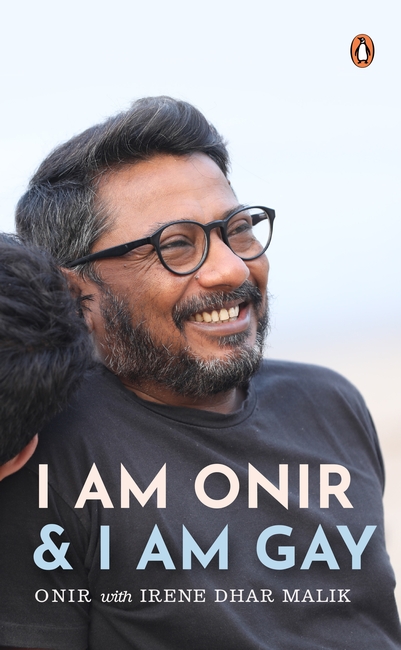
Importantly, Onir himself has been open about his identity, which adds a layer of authenticity to his work. His voice as both a filmmaker and a member of the LGBTQ+ community allows him to tell stories that feel lived-in and genuine, rather than observational or detached.
A lasting impact
In recent years, Indian cinema has seen a gradual increase in LGBTQ+ representation, but Onir’s early contributions remain foundational. Long before queer narratives began gaining wider acceptance, he was creating space for them with honesty and courage.
Today, his work continues to inspire a new generation of filmmakers to approach LGBTQ+ stories with sensitivity and nuance. By prioritizing empathy over spectacle and truth over tokenism, Onir has helped reshape how queer lives are portrayed on screen.
As conversations around identity and inclusion evolve, Onir’s cinema stands as a reminder that storytelling has the power not just to reflect society, but to change it.