






Happy Birthday Manoj Bajpayee: A Deeper Look at 5 Grey Characters That Defined His Brilliance
Few actors in Indian cinema have embraced moral ambiguity as fearlessly as Manoj Bajpayee. Over the years, he has built a legacy not just on powerful performances, but on characters that exist in the uncomfortable space between hero and villain. As he turns 54, here’s a closer, more detailed look at five roles where he truly mastered the art of playing grey.
1. Satya (1998) — The Rise of Bhiku Mhatre

Directed by Ram Gopal Varma, Satya didn’t just change Bajpayee’s career—it redefined the gangster genre in Bollywood.
As Bhiku Mhatre, Bajpayee brought unpredictability, charm, and menace into a single character. He wasn’t just a gangster; he was emotional, volatile, fiercely loyal, and terrifyingly impulsive. His famous line asserting dominance over Mumbai became pop culture history.
What made Bhiku iconic was how human he felt—his vulnerabilities balanced his violence, making him one of the earliest mainstream examples of a truly layered anti-hero.
2. Gangs of Wasseypur (2012) — The Ruthless Sardar Khan

In Anurag Kashyap’s sprawling crime epic, Bajpayee delivered one of the darkest performances of his career as Sardar Khan.
The character is driven by revenge, lust, ego, and an insatiable hunger for power. Unlike traditional protagonists, Sardar Khan is deeply flawed—often selfish and morally corrupt. Bajpayee leaned fully into these traits, never attempting to soften the character for audience sympathy.
His raw energy, dialect, and body language made Sardar Khan unforgettable, setting a benchmark for gangster portrayals in modern Indian cinema.
3. Raajneeti (2010) — The Calculated Veerendra Pratap
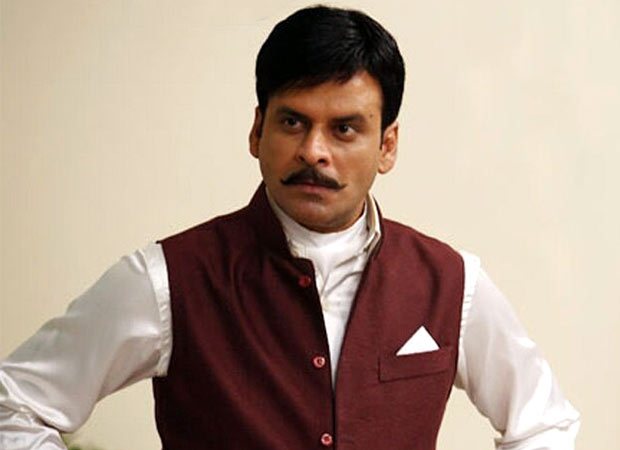
In Prakash Jha’s political drama, Bajpayee portrayed Veerendra Pratap—a man consumed by entitlement and ambition.
Unlike loud antagonists, Veerendra operates with calculated precision. He manipulates alliances, exploits emotions, and views politics purely as a game of power. Bajpayee’s restrained yet intense performance made the character chillingly real.
Sharing screen space with Ranbir Kapoor, he stood out as a symbol of unchecked political greed and dynastic arrogance.
4. Satyagraha (2013) — The Face of Corruption

In Satyagraha, Bajpayee once again explored the psyche of a corrupt politician under Jha’s direction.
His character represents the systemic rot within governance—someone who thrives on manipulation, media control, and abuse of authority. What makes his portrayal compelling is the realism; he doesn’t play corruption as caricature, but as something deeply embedded and normalized.
Even in a film led by veterans like Amitabh Bachchan, Bajpayee’s presence adds tension and authenticity to the narrative.
5. Aarakshan (2011) — The Opportunist Mithilesh Singh

In Aarakshan, Bajpayee stepped into a different shade of grey—not a gangster or politician, but an opportunistic businessman exploiting India’s education system.
As Mithilesh Singh, he represents the commercialization of education—running coaching centers that prey on students’ fears and ambitions. His character is cunning, manipulative, and unapologetically profit-driven.
Bajpayee infused the role with a mix of satire and menace, making Mithilesh both detestable and oddly fascinating.
Why Manoj Bajpayee Excels at Grey Roles
What sets Manoj Bajpayee apart is his refusal to judge his characters. Instead of playing them as purely evil, he digs into their motivations, making even the darkest individuals feel real and, at times, relatable.
His command over dialects, body language, and emotional depth allows him to transform completely—whether he’s a feared gangster, a corrupt politician, or a morally compromised entrepreneur.
From Bhiku Mhatre’s raw chaos to Sardar Khan’s ruthless dominance, Bajpayee has consistently proven that the most compelling stories lie in the grey. And as his career continues to evolve, audiences can expect many more such complex, unforgettable characters.