


Narendra Modi Faces Criticism Over “Lifestyle vs Messaging” Debate After Dhruv Rathee Video
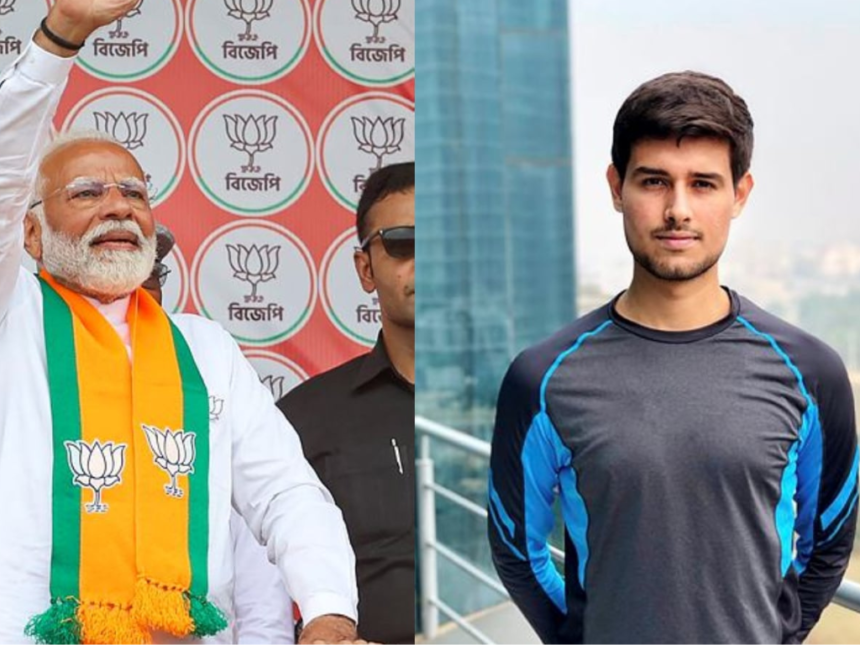
A recent video by content creator Dhruv Rathee has sparked fresh political debate online, after he questioned what he described as a gap between public messaging and personal actions by political leaders.
In his commentary, Rathee referred to statements made by Prime Minister Narendra Modi during various public addresses, where citizens were encouraged to adopt energy-saving habits such as reducing fuel consumption, limiting unnecessary vehicle use, and supporting electric mobility.
The video argues that while such messages promote responsibility among citizens, questions arise when similar principles are viewed alongside high-profile government events and travel-related optics involving political leadership. Rathee used examples from public appearances and official engagements to highlight what he sees as inconsistency between advice given to the public and visible state-led practices.
One of the references discussed online includes the Prime Minister’s participation in public events such as the Surya Kiran aerobatic display during the Somnath Amrut Mahotsav at the Somnath Temple, which was widely covered by media.
Also Read :-
A post shared by Dhruv Rathee (@dhruvrathee)
He also pointed to broader discussions around infrastructure inaugurations, official convoys, and international visits, arguing that leaders should ideally reflect the same behavioural standards they promote for citizens.
Supporters of the Prime Minister, however, have strongly rejected these comparisons, arguing that governance, security protocols, diplomatic travel, and official state duties cannot be equated with individual lifestyle choices. They say that leadership requires balancing public messaging with administrative and ceremonial responsibilities.
The debate has quickly gained traction on social media, with users divided between those who agree with Rathee’s “lead by example” argument and those who view the criticism as selective and politically motivated.
At its core, the discussion reflects a larger and recurring question in public life: should political leaders be held to stricter personal standards when promoting national behavioural changes, or should official duties be viewed separately from public messaging?
As the conversation continues online, the issue has once again highlighted how quickly political commentary in India spreads across digital platforms and becomes part of a larger national debate.