




Ruturaj Gaikwad’s Tactical Call Under Fire as Ambati Rayudu Invokes MS Dhoni’s Approach
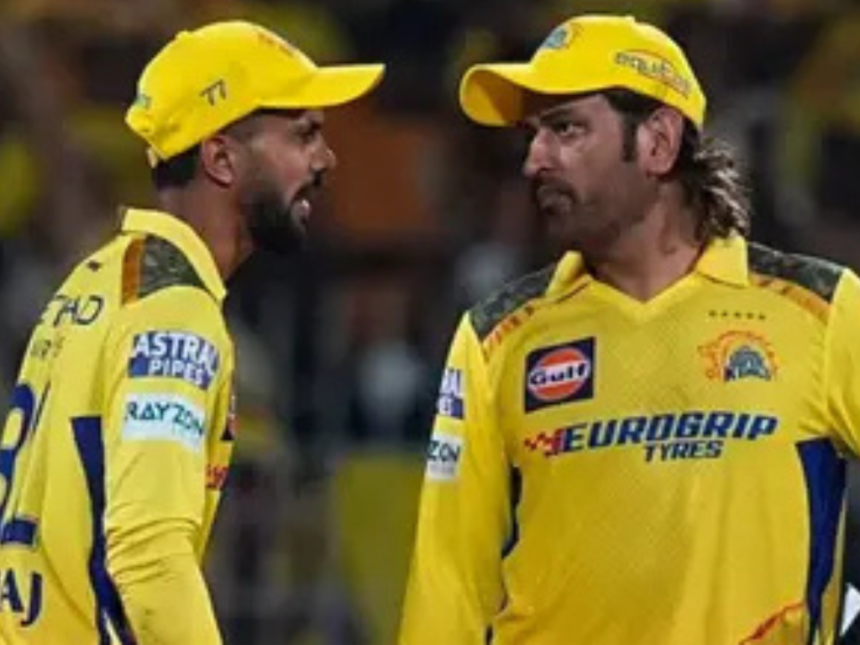
Chennai Super Kings’ difficult start to IPL 2026 has brought captain Ruturaj Gaikwad under intense scrutiny, with questions being raised not just about results, but also about his on-field decisions. After three consecutive losses, CSK’s campaign has stumbled early, and their recent defeat to Royal Challengers Bengaluru has only amplified the criticism.
At the center of the debate is a tactical move during the death overs—one that former CSK batter Ambati Rayudu believes goes against the philosophy long upheld by franchise legend MS Dhoni.
The Tactical Decision That Backfired
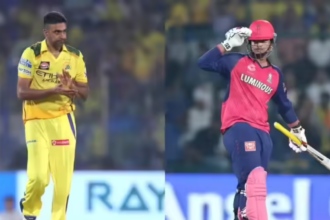
During the match, CSK pacers, including Anshul Kamboj and Jamie Overton, opted to bowl wide yorkers to RCB batters Tim David and Rajat Patidar in the death overs. However, the strategy backfired as both batters capitalized on the angle and punished the deliveries, accelerating RCB’s total significantly.
Rayudu, speaking on ESPNcricinfo, pointed out that such an approach was rarely, if ever, encouraged during Dhoni’s captaincy.
“They’ve tried that in practice sessions over the years, but it never translated into games because MS didn’t approve of using that kind of angle in the death. Even as batters, we found it easy to counter those deliveries,” Rayudu said.
He further explained that simply stepping outside the crease can neutralize the angle of wide yorkers, making them predictable and easier to attack.
“Sometimes, it’s better to stick to conventional strategies—good yorkers, well-pitched slower balls. Keep it simple and basic,” he added.
A Turning Point in the Match
RCB’s late surge, led by Tim David’s explosive hitting, proved decisive. CSK head coach Stephen Fleming identified the final overs as the key turning point.
“The real turning point was Tim David in the back end—the acceleration he brought in the last five overs,” Fleming said in the post-match press conference.
Fleming noted that while CSK had started well and even created chances, their inability to take wickets and maintain control in the death overs cost them dearly.
“We just lost our shape in the back end. If we had held our nerve and executed better, 210–220 was achievable. But we got a little shell-shocked, and that carried into our batting as well,” he explained.
Leadership Under Pressure
For Ruturaj Gaikwad, this phase represents a critical test of leadership. Taking over from a figure like MS Dhoni comes with immense expectations, and early setbacks have only intensified the spotlight on his captaincy.
The criticism from Rayudu, a key member of CSK’s successful era, reflects a broader concern—that the team may be drifting away from the tried-and-tested strategies that once defined their dominance.
The Road Ahead
With the tournament still in its early stages, CSK have time to regroup. However, the margin for error is shrinking. Decisions around bowling strategy, team composition, and execution under pressure will be crucial in determining whether they can turn their campaign around.
For Gaikwad, the challenge is not just about results—it’s about finding the right balance between innovation and the simplicity that once made CSK one of the most consistent teams in IPL history.