




Daadi Ki Shaadi Review: Kapil Sharma and Neetu Kapoor Shine in a Family Drama That Loses Steam Midway
Mumbai, May 8, 2026 – In a theater landscape dominated by franchises and superstars, Daadi Ki Shaadi bets on Kapil Sharma’s star power, Neetu Kapoor’s nostalgia, and family vibes to draw crowds. Directed by Ashish R. Mohan, this Hindi comedy-drama releases today amid buzz from its trailer and ensemble cast including Riddhima Kapoor Sahni’s debut.
Family entertainers are becoming increasingly rare in today’s theatrical landscape, especially films that do not rely on massive superstars or franchise backing. Daadi Ki Shaadi, directed by Ashish R. Mohan, attempts to fill that gap with a blend of nostalgia, comedy, and emotional family conflict. Headlined by Kapil Sharma and Neetu Kapoor, the film starts on a promising note but struggles to maintain its emotional and narrative balance in the second half.
A Lighthearted Beginning with a Strong Emotional Hook
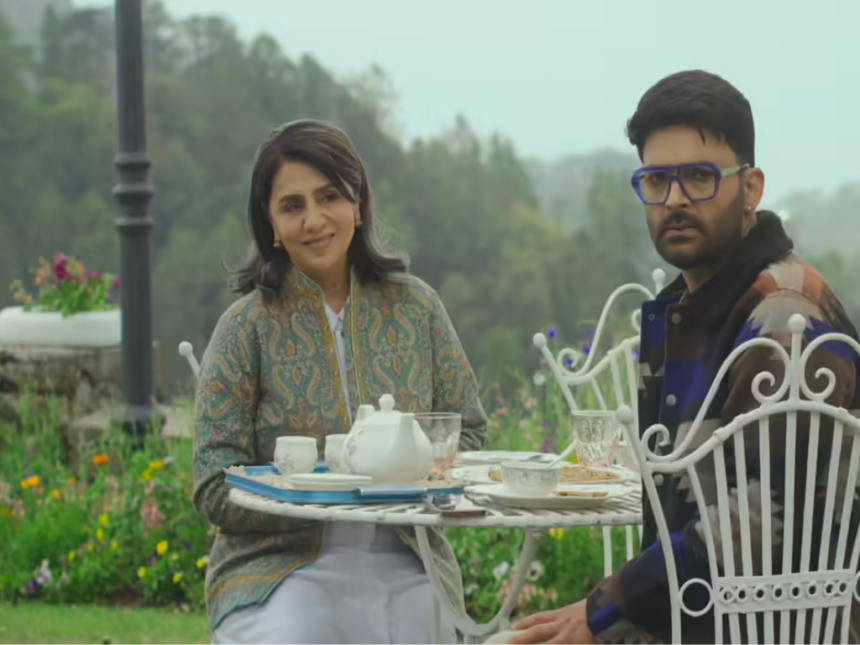
Set in the scenic hills of Shimla, the film revolves around Vimla Ahuja (Neetu Kapoor), a widowed woman living alone in her large bungalow. Chaos erupts after an accidental Facebook autocorrect makes it appear that she is planning to remarry. Shocked and embarrassed, her children rush to stop the wedding plans, believing the decision could damage the family’s reputation.
Joining the family drama is Tony Kalra (Kapil Sharma), whose engagement to Kannu Ahuja (Sadia Khateeb) becomes entangled in the unfolding confusion. The setup creates ample room for comedy, misunderstandings, and emotional confrontations.
The first half works largely because of its simplicity and humor. Kapil Sharma’s comic timing feels natural and effective, bringing warmth and entertainment to several scenes. Combined with the beautiful visuals of Shimla, the film initially delivers a breezy, feel-good atmosphere.
The Emotional Shift Changes the Film’s Tone
The film takes a more dramatic turn when Vimla reveals that the remarriage announcement was intentionally allowed to continue so her distant family would spend time with her again. This revelation shifts the story into emotionally familiar territory, drawing comparisons to classic family dramas centered around loneliness, neglect, and guilt.
While the emotional core is relatable, the screenplay begins to lose focus in the second half. Multiple subplots are introduced, and the narrative becomes overcrowded. The entry of Riddhima Kapoor Sahni’s character adds little momentum and instead slows the pacing further.
As the emotional conflicts become repetitive, the film’s impact weakens. The climax eventually arrives after the audience has already emotionally drifted away from the story.
Also Read :- https://youtu.be/q2zwd3OVcnM?si=AJCtwbAjEymdz42c
Performances Keep the Film Watchable
Despite the uneven screenplay, the performances remain one of the film’s strongest aspects. Kapil Sharma delivers a sincere and controlled performance, balancing humor and emotion effectively. Neetu Kapoor brings grace and warmth to her role, although the script underuses her acting potential.
Sadia Khateeb and R. Sarathkumar offer dependable support, while Yograj Singh adds strong screen presence whenever he appears. Together, the cast helps maintain viewer interest even when the story struggles.
Music and Technical Aspects Fall Short
Although visually appealing, the film’s music leaves little lasting impact. None of the songs stand out strongly enough to elevate the emotional moments or become memorable outside the film.
Technically, however, the cinematography succeeds in capturing Shimla’s beauty, giving the film a comforting visual charm that complements its family-oriented tone.
Final Verdict
Daadi Ki Shaadi succeeds in parts as a warm-hearted family drama with moments of genuine humor and emotional sincerity. However, an overstuffed screenplay and weakening emotional stakes prevent it from becoming a fully satisfying cinematic experience.
While the film may appeal to audiences looking for a light, family-friendly watch, it ultimately feels more like a decent one-time viewing experience rather than a memorable emotional drama.