




For over two decades, Aishwarya Rai Bachchan has treated the Cannes Film Festival red carpet like a cinematic stage rather than a celebrity photocall. Every year, the anticipation surrounding her arrival feels less like waiting for an actress and more like waiting for a cultural moment. And at Cannes 2026, she delivered exactly that.
- The Making Of ‘Luminara’
- Why Cobalt Blue Is A Power Colour For Indian Women
- Mohit Rai’s Styling Vision
- Aishwarya’s Cannes Journey Mirrors India’s Fashion Evolution
- 2005–2011: Hollywood Glamour Phase
- 2012–Present: The Experimental Era
- Indian Designers Finally Have A Global Seat At The Table
- Why Aishwarya Still Dominates Cannes Conversations
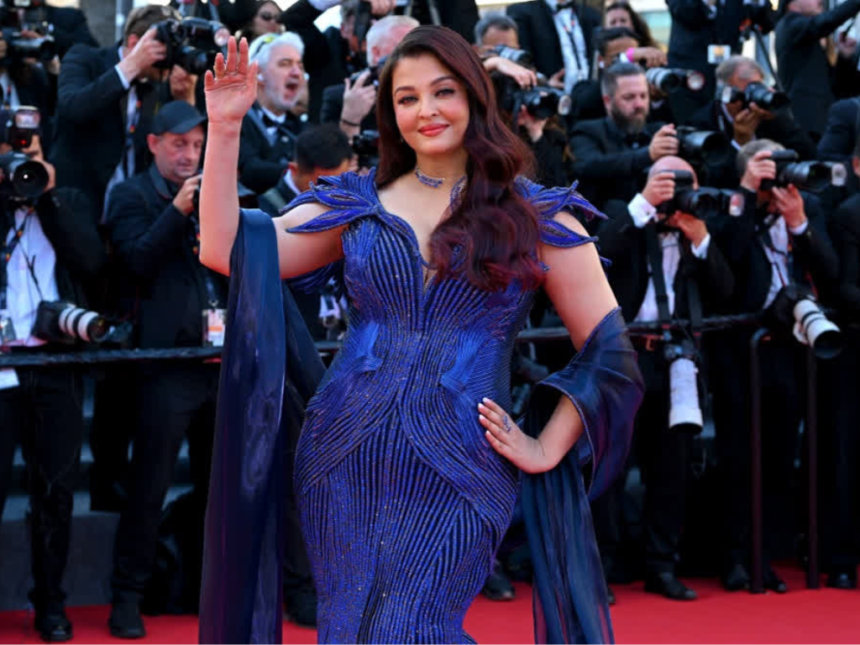
Wearing a custom cobalt blue couture creation titled Luminara by Amit Aggarwal, styled by Mohit Rai, Aishwarya transformed the red carpet into a spectacle of light, architecture, and movement. The Internet quickly crowned her the “Blue Fairy of Cannes,” but the look was far more layered than a viral fashion moment. It represented the evolution of Indian couture, the power of colour on Indian skin, and Aishwarya’s own fearless approach to global fashion.
The Making Of ‘Luminara’
The gown itself was built around the idea of “radiance in motion.” Amit Aggarwal, known for combining futuristic silhouettes with Indian craftsmanship, designed the ensemble in a shade described as “abyss blue,” inspired by cosmic light and infinite space.
The couture featured his signature Crystal Vein embroidery a painstaking process where thousands of crystalline embellishments are sculpted into lattice-like formations that create depth and reflection. Reports suggest the gown took more than 1,500 hours of craftsmanship to complete.
What made the dress extraordinary was the way it behaved under movement. As Aishwarya walked, the gown reflected light differently from every angle, shifting between metallic blue, sapphire, and deep midnight tones. The wing-like sculptural extensions emerging from the shoulders added dramatic dimension, giving the illusion that the gown itself was alive.
It was not simply glamorous. It was architectural fashion designed for cinema-level impact.
Also Read :-
A post shared by Amit Aggarwal (@amitaggarwalofficial)
Why Cobalt Blue Is A Power Colour For Indian Women
One of the biggest conversations after Aishwarya’s appearance centred around the colour itself. And rightly so.
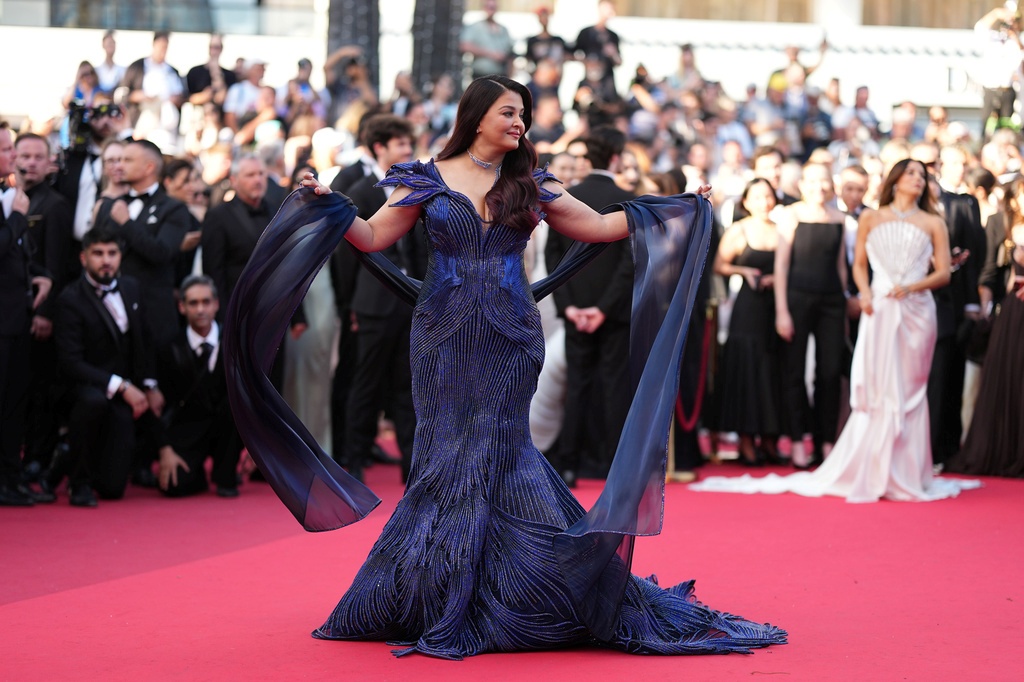
Cobalt blue has always had a unique relationship with Indian skin tones. Unlike softer neutrals that can occasionally dull the complexion, cobalt creates contrast while enhancing warmth. It illuminates the skin rather than overpowering it.
Indian complexions often carry rich undertones — gold, olive, bronze, caramel, copper — and jewel tones interact beautifully with those natural pigments. Cobalt blue especially enhances luminosity, making the skin appear brighter and more defined in photographs and natural light alike.
This is why royal blue sarees remain iconic across Indian weddings and festive dressing. Whether it is Banarasi silk, velvet lehengas, chiffon drapes, or structured couture gowns, the colour consistently photographs beautifully and carries an effortless regal quality.
There is also an emotional familiarity to blue within Indian aesthetics. We grow up surrounded by bold colour stories — marigold yellows, sindoor reds, emerald greens, turmeric golds, peacock blues. Indian fashion has never feared visual drama. Cobalt blue fits naturally within that tradition because it feels celebratory without becoming overwhelming.
On Aishwarya, the shade achieved something even more powerful: it made her appear almost illuminated from within.
Mohit Rai’s Styling Vision
For celebrity stylist Mohit Rai, this marked his first Cannes collaboration with Aishwarya, making the pressure enormous. Styling someone whose Cannes appearances are dissected globally every year is no ordinary assignment.
Mohit revealed that the process involved months of planning, conceptualisation, fittings, and beauty moodboards. Every detail — from jewellery and silhouette to hair and makeup — was carefully calibrated.
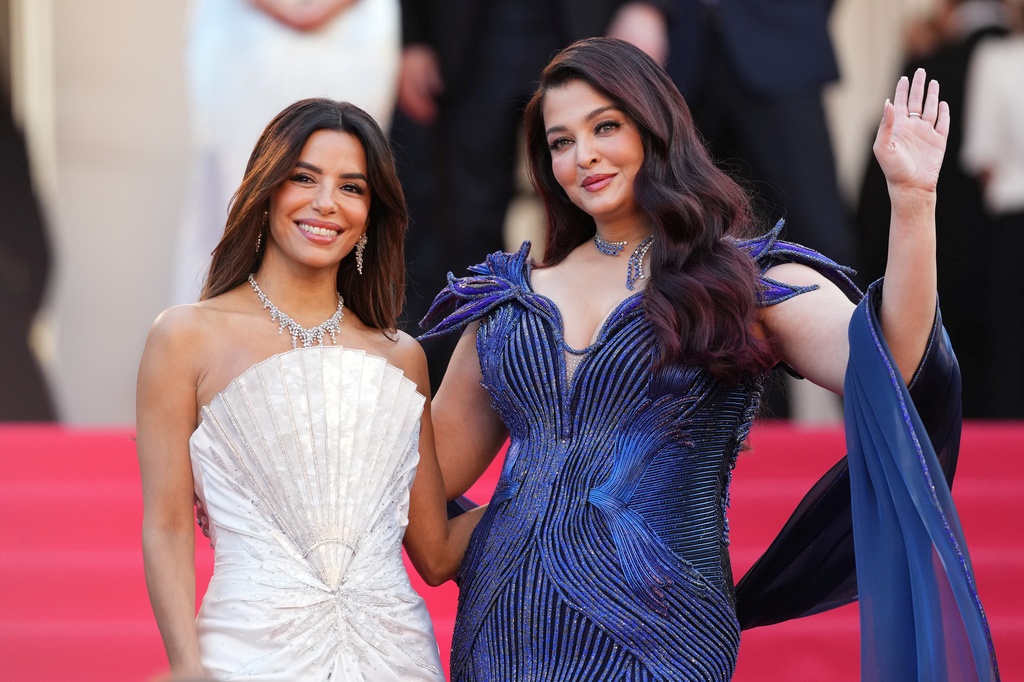
One of the biggest challenges was balancing spectacle with practicality. The dramatic sculptural construction needed to remain walkable while still maintaining its futuristic structure on the red carpet.
Mohit also emphasised that Aishwarya herself was deeply involved throughout the process. Rather than simply wearing a look handed to her, she participated in conversations surrounding the narrative, styling direction, jewellery choices, and overall presentation.
That collaborative energy is perhaps why the final result felt so cohesive. Nothing looked accidental.
Aishwarya’s Cannes Journey Mirrors India’s Fashion Evolution
What makes Aishwarya Rai Bachchan’s Cannes appearances historically important is that they parallel India’s changing identity on the global stage.
2002–2004: The Era Of Cultural Assertion
When Aishwarya attended Cannes for the premiere of Devdas wearing a heavily embroidered yellow saree by Neeta Lulla, global audiences were still unfamiliar with Bollywood fashion on international red carpets.
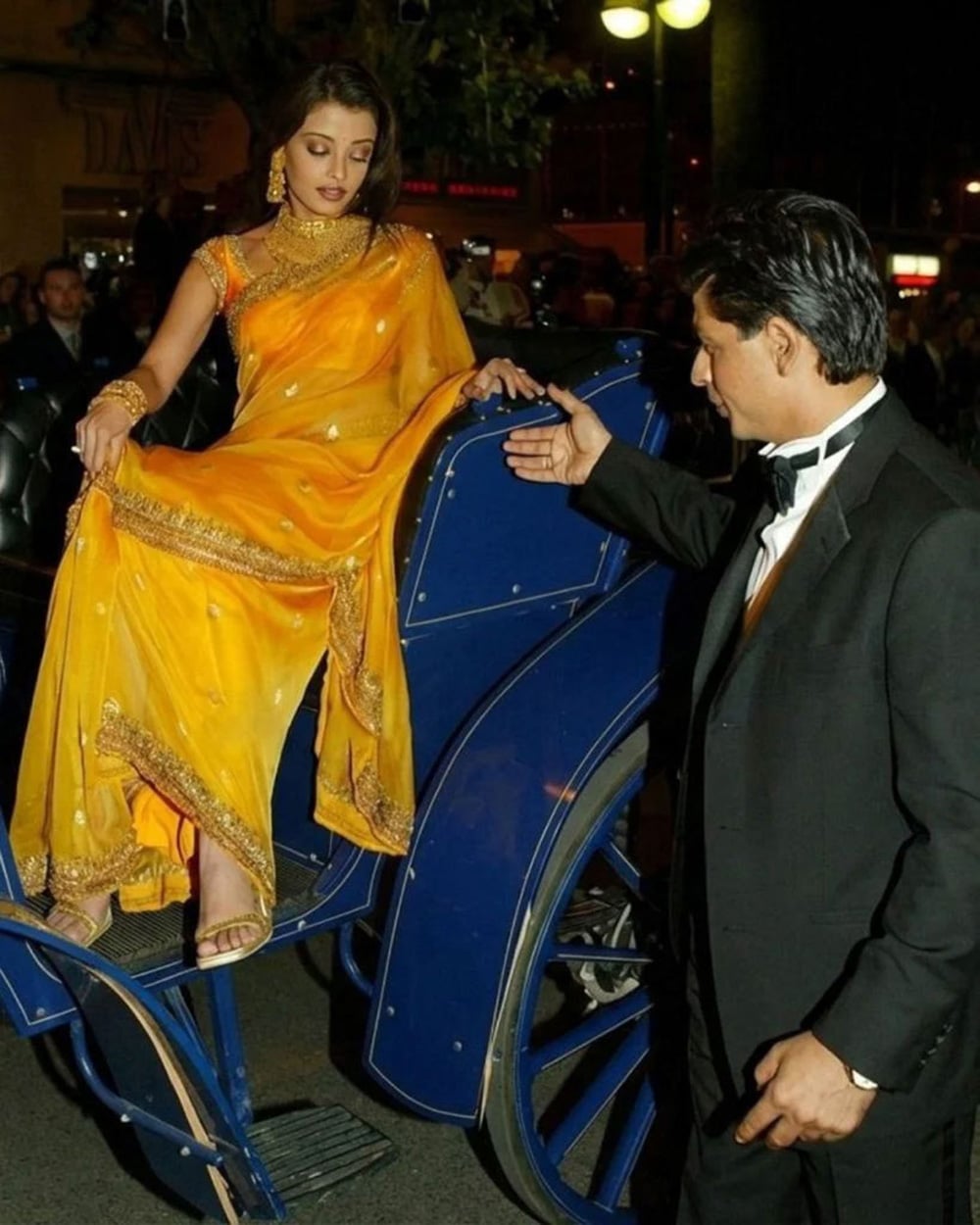
The look divided critics at the time. Some called it “too ornate.” Others saw it as excessive. But retrospectively, it became iconic because it announced India’s presence unapologetically.
During these early years, Aishwarya frequently chose sarees and lehengas, using fashion almost as cultural diplomacy.
2005–2011: Hollywood Glamour Phase
As India became increasingly globalised, Aishwarya’s red carpet style shifted towards Western couture. She embraced sleek gowns, structured silhouettes, dramatic trains, and neutral palettes from international fashion houses like Gucci, Roberto Cavalli, and Giorgio Armani.
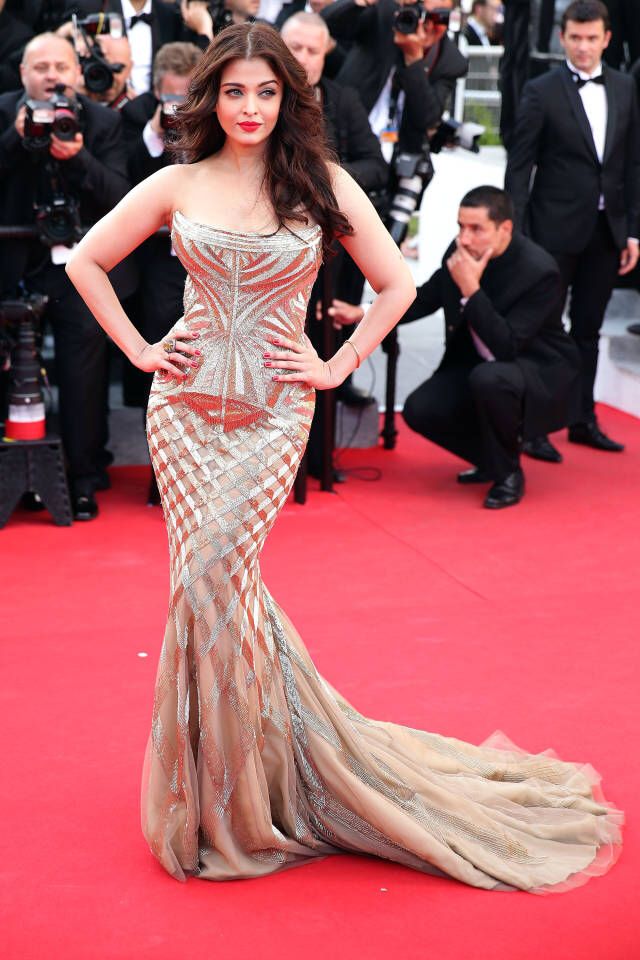
This was the era where she became one of Cannes’ most photographed celebrities. Her beauty aligned effortlessly with classic Hollywood glamour.
2012–Present: The Experimental Era
Then came the risk-taking years.
Aishwarya began mixing Indian craftsmanship with avant-garde fashion. One year she appeared in delicate chikankari by Abu Jani Sandeep Khosla. Another year she wore princess-like couture by Michael Cinco. Then came sculptural gowns by Gaurav Gupta, metallic hoods, butterfly motifs, exaggerated trains, and experimental makeup choices.
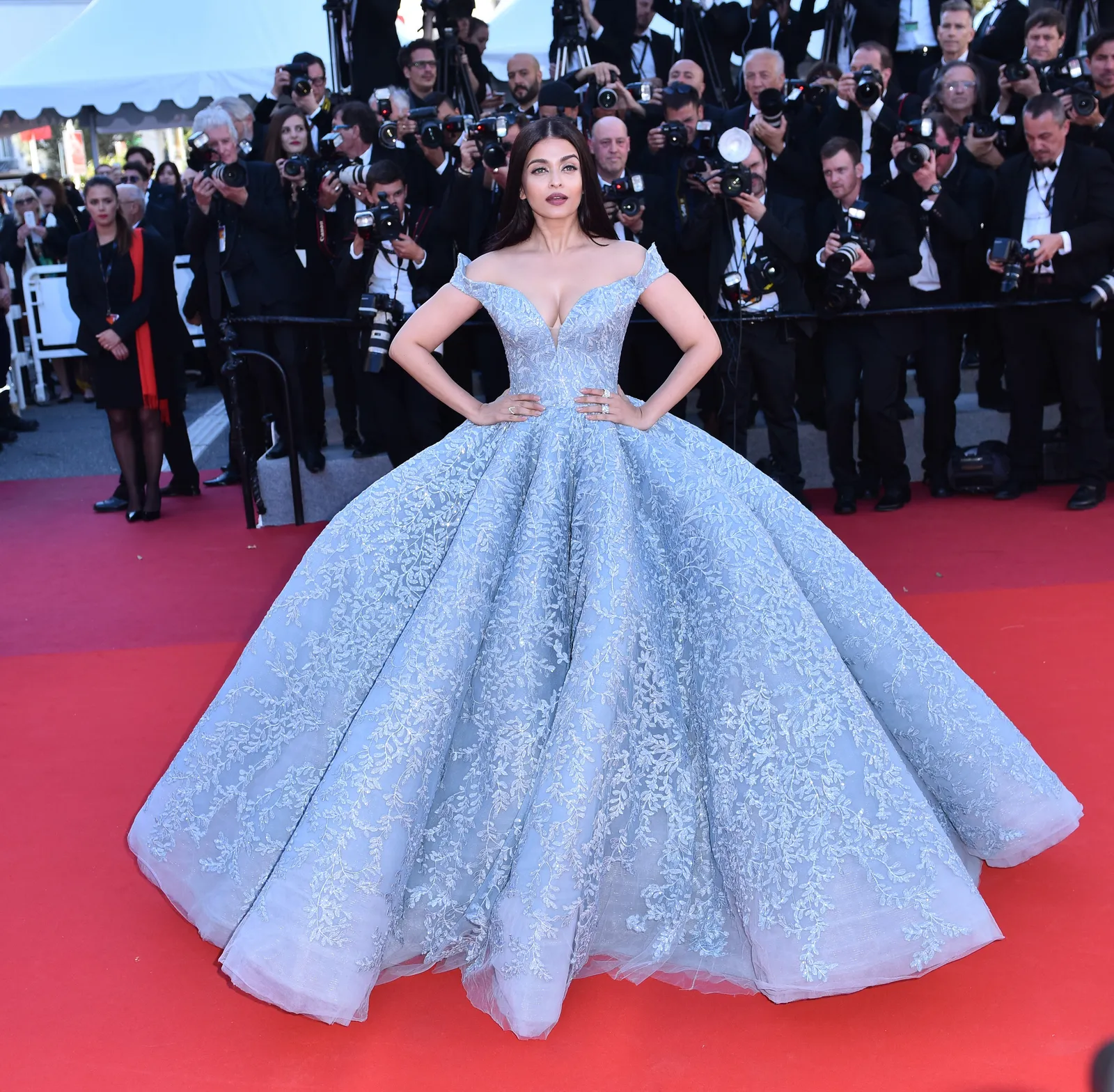
Some looks were praised instantly. Others became meme material online.
But unlike many celebrities who retreat after criticism, Aishwarya continued experimenting fearlessly. That refusal to become predictable is precisely what keeps her Cannes appearances culturally relevant.
Indian Designers Finally Have A Global Seat At The Table
Aishwarya’s 2026 appearance also highlighted a larger shift happening in fashion: Indian designers are no longer appearing at global events merely as “ethnic representation.” They are increasingly shaping the language of couture itself.
This year alone, Indian celebrities at Cannes embraced Indian craftsmanship prominently:
- Diana Penty wore custom creations including a sari by Manish Malhotra.
- Aditi Rao Hydari chose a champagne sari by JADE.
- Huma Qureshi appeared in a Banarasi saree by Shanti Banaras.
This growing visibility reflects something larger than celebrity styling. Indian fashion is no longer asking for validation from Western fashion capitals. It is entering those spaces with confidence, originality, and craftsmanship strong enough to compete globally.
Amit Aggarwal’s futuristic couture embodied that perfectly. The gown did not imitate Parisian couture traditions. It carried an Indian design language into a futuristic context without losing its identity.
Why Aishwarya Still Dominates Cannes Conversations
Every year, newer celebrities arrive at Cannes. Trends change. Social media moves faster. Yet Aishwarya Rai Bachchan remains the defining Indian face of the festival.
The reason is simple: she understands spectacle.
She knows Cannes fashion is not about dressing safely. It is about creating imagery people remember years later. Whether it was the purple lipstick moment in 2016, the Cinderella fantasy in Michael Cinco in 2017, or this cosmic cobalt couture in 2026, she consistently treats fashion as visual storytelling.
And that instinct cannot be manufactured by algorithms or trend forecasting.
With Luminara, Aishwarya once again proved why her Cannes appearances endure beyond the red carpet cycle. The look captured glamour, craftsmanship, fantasy, and Indian identity in one unforgettable frame.
For a few minutes on the Riviera, cobalt blue stopped being just a colour.
It became mythology.