





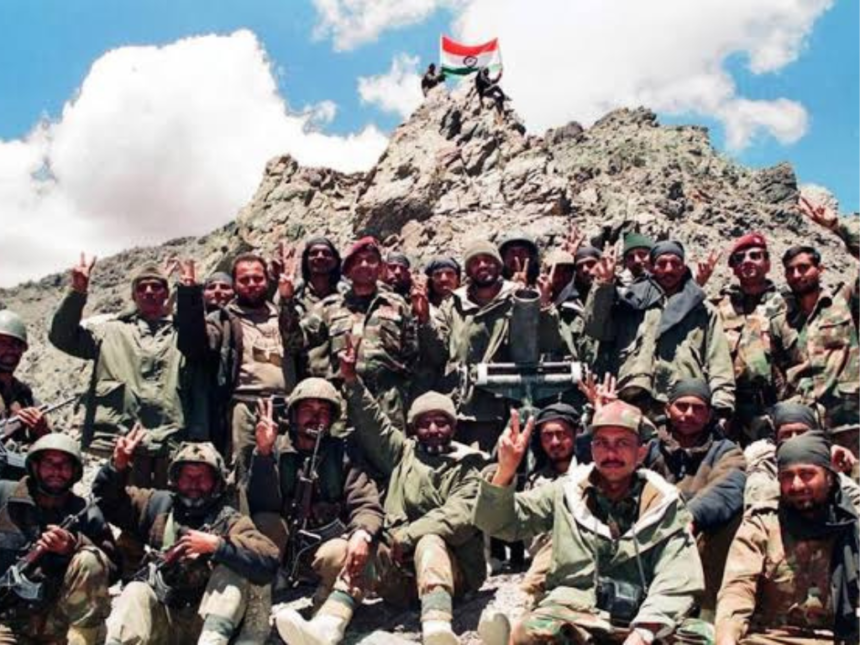
Every year on July 26, India observes Kargil Vijay Diwas to honour the bravery and sacrifice of the 527 Indian soldiers who laid down their lives during the 1999 Kargil War. Their courage helped the Indian Army reclaim strategic mountain peaks from Pakistani intruders, securing a historic victory that remains one of the proudest moments in the nation’s military history.
While Kargil Vijay Diwas is a day of remembrance and gratitude, it is also a reminder of the lessons the country must continue to learn to safeguard its future.
A Victory Earned Through Extraordinary Courage
The Kargil War was fought in the rugged mountains of Jammu and Kashmir after Pakistani soldiers and infiltrators occupied Indian positions along the Line of Control (LoC). Indian soldiers battled harsh weather, steep terrain, and heavily fortified enemy positions to recapture key peaks, including Tololing, Tiger Hill, and other strategic locations.
The victory came at a heavy price, with hundreds of soldiers making the ultimate sacrifice in defence of the nation.
The Importance of Intelligence and Vigilance
Military experts have often pointed out that one of the biggest lessons from the Kargil conflict was the need for stronger intelligence gathering and continuous surveillance along the country’s borders.
The intrusion was detected only after Pakistani forces had established positions inside Indian territory. Many analysts believe that improved intelligence coordination and regular monitoring could have identified the threat much earlier, potentially reducing both military casualties and the scale of the conflict.
The Kargil Review Committee, formed after the war, also recommended major reforms in India’s intelligence and national security framework to improve coordination between various agencies.
Lessons Beyond Kargil
Over the years, India has faced several major security challenges, including terrorist attacks and cross-border infiltrations. These incidents have repeatedly highlighted the importance of timely intelligence, better information sharing, and faster decision-making.
Security experts argue that investing in both human intelligence and modern surveillance technology remains essential to preventing future threats before they escalate.
Modern warfare is no longer limited to the battlefield. Cybersecurity, satellite monitoring, drones, artificial intelligence, and advanced intelligence networks have become equally important in protecting national security.
Strengthening National Security
In recent years, India has significantly strengthened its defence capabilities by modernising its armed forces, improving border infrastructure, expanding surveillance systems, and investing in advanced military technology.
However, experts believe that military strength alone is not enough. Effective intelligence gathering, seamless coordination among agencies, and proactive security planning are equally important to deter future threats.
The goal is not only to respond effectively to attacks but also to prevent them whenever possible.
Remembering the Real Heroes
At the heart of Kargil Vijay Diwas are the soldiers whose courage ensured India’s victory. Their determination under impossible conditions continues to inspire generations of Indians.
The day is observed across the country with tributes, memorial ceremonies, and remembrance events to honour the armed forces and the families who made immense sacrifices for the nation.
A Lasting Message
Kargil Vijay Diwas is not just about celebrating a military victory—it is also about reflecting on the importance of preparedness, vigilance, and national security.
As India remembers the heroes of 1999, the day serves as a reminder that safeguarding the country’s future requires constant readiness, strong intelligence, and continued investment in defence capabilities.
The bravery of the soldiers who fought in Kargil remains a timeless symbol of courage, while the lessons of the conflict continue to shape India’s approach to national security even today.