


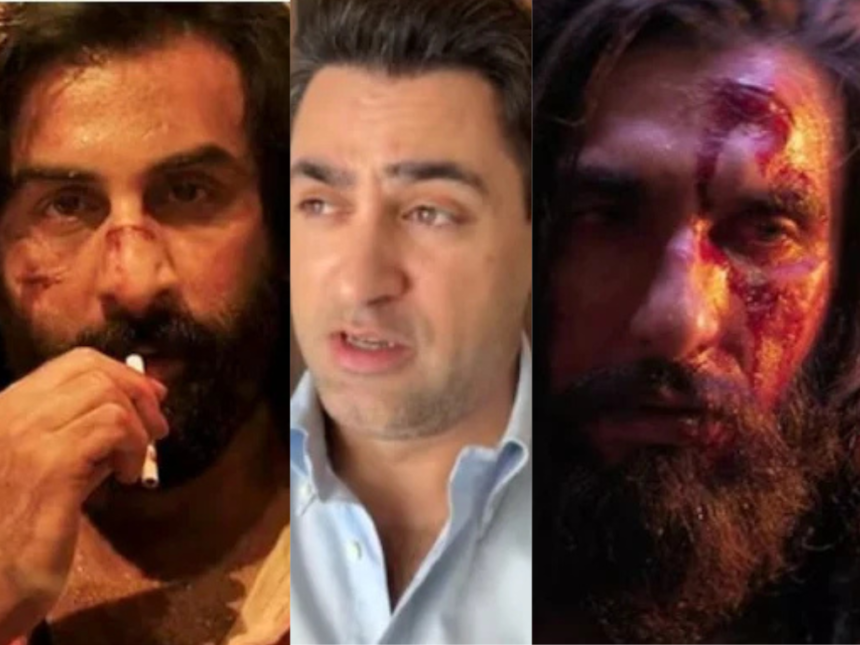
Imran Khan has once again sparked a meaningful conversation about the direction of modern cinema, particularly the growing dominance of hyper-masculine characters on the big screen. During a recent interactive session, the actor openly expressed his disinterest in portraying the now-popular trope of violent, aggressive male leads roles often defined by rage, physical dominance, and bloodshed.
Referring to films like Dhurandhar: The Revenge, which exemplify this trend, Imran remarked candidly, “Yeah, no interest in playing a hairy, angry man covered in blood. I think that genre is generously represented.” His statement not only reflects a personal artistic choice but also highlights a broader critique of repetitive storytelling patterns that rely heavily on exaggerated masculinity.
In an industry where such roles are often celebrated and commercially successful, Imran’s stance stands out as both refreshing and thought-provoking. Rather than conforming to established formulas, he appears more inclined toward narratives that offer emotional depth, nuance, and relatability. This perspective aligns with a growing section of audiences who are increasingly seeking diverse and authentic representations of characters on screen.
Beyond cinema, Imran also touched upon the real-world implications of these portrayals. He pointed out that rigid and narrow definitions of masculinity can be damaging, reinforcing stereotypes that limit emotional expression and individuality. His comments contribute to an ongoing cultural shift where conversations around gender roles and identity are becoming more open and inclusive.
As the film industry continues to evolve, voices like Imran Khan’s serve as an important reminder that storytelling does not need to rely on outdated archetypes to be impactful. Instead, there is ample space to explore a wider spectrum of human experiences stories that resonate not because of spectacle alone, but because of their honesty and emotional truth.