





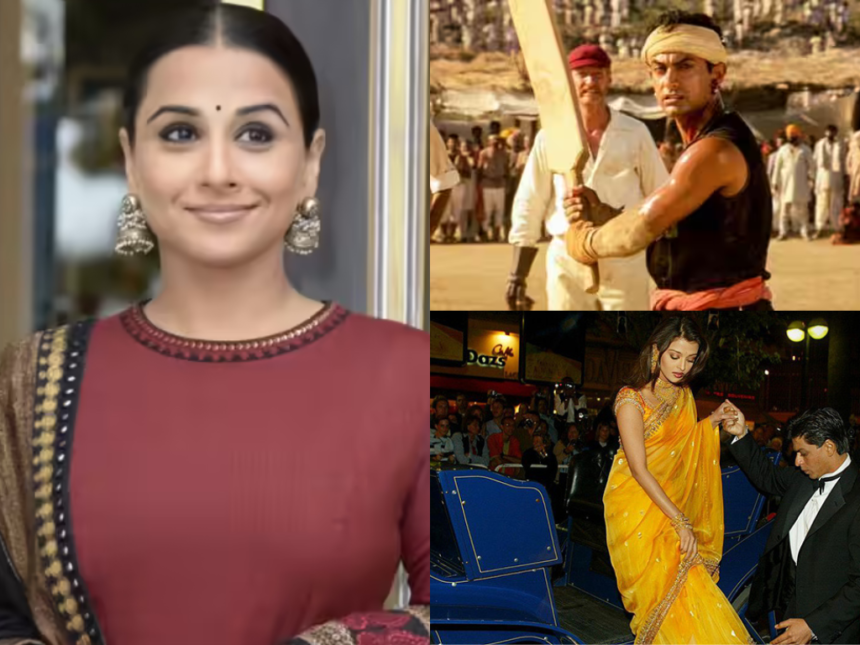
For India, the Cannes Film Festival has never been just another international red carpet event. Over the decades, Cannes has become a symbol of India’s cinematic evolution, cultural identity and global artistic recognition. From black-and-white classics and parallel cinema to Bollywood glamour, independent storytelling, folk representation and historic award wins, India’s journey at Cannes reflects how Indian creativity slowly but powerfully earned global respect.
- The Historic Beginning: Neecha Nagar Wins Cannes’ Highest Honour in 1946
- Satyajit Ray and Pather Panchali Put Indian Parallel Cinema on the World Map
- Shabana Azmi and Smita Patil Bring Indian Parallel Cinema to Cannes in the 1970s
- Mira Nair Becomes the First Indian Woman on the Cannes Jury
- Aishwarya Rai Bachchan Changes India’s Cannes Fashion Legacy
- Lagaan Introduces Mainstream Bollywood to Global Cannes Audiences
- Vidya Balan Redefines Indian Fashion Representation at Cannes
- Neeraj Ghaywan and Masaan Revive Global Interest in Indie Indian Cinema
- Six Pack Band’s Cannes Win Became a Landmark LGBTQ+ Moment
- Mame Khan Brings Indian Folk Culture to Cannes
- Anasuya Sengupta Creates History at Cannes 2024
- Payal Kapadia Gives India Its Biggest Cannes Victory in Decades
Today, Indian celebrities dominating Cannes headlines may feel normal, but there was a time when Indian cinema barely had visibility on global platforms. Every breakthrough moment at Cannes helped open new doors for Indian artists, filmmakers and performers internationally.
Here is a detailed look at the most iconic Indian moments that shaped India’s Cannes legacy forever.
The Historic Beginning: Neecha Nagar Wins Cannes’ Highest Honour in 1946
India’s Cannes journey began with history itself.
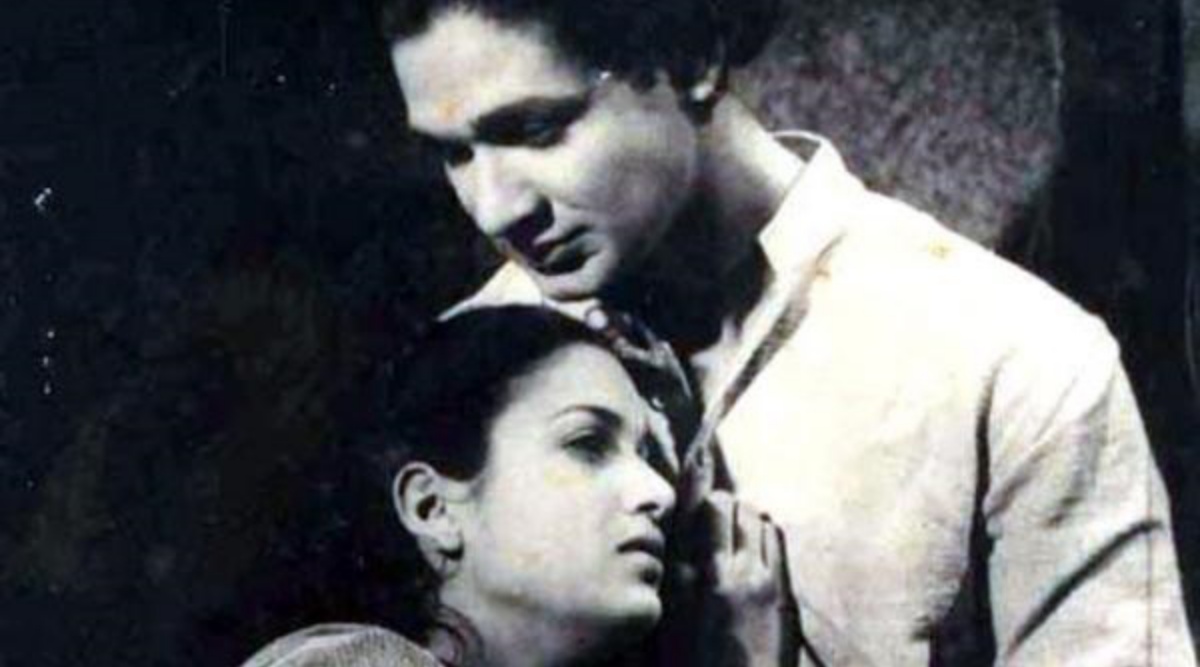
In 1946, Neecha Nagar became the first Indian film to win Cannes’ highest honour the Grand Prix du Festival International du Film, which later evolved into the Palme d’Or.
Directed by Chetan Anand, the socially conscious film explored themes of class divide, inequality and exploitation. At a time when India had not even fully established itself on global cinematic platforms, this victory was revolutionary.
What makes this achievement even more significant is that it happened during the very early years of the Cannes Film Festival itself. Indian cinema announced its arrival on the world stage almost immediately, proving that Indian storytelling had both artistic depth and universal relevance.
Even today, Neecha Nagar remains one of the most historically important milestones in Indian film history.
Satyajit Ray and Pather Panchali Put Indian Parallel Cinema on the World Map

If one filmmaker transformed how the world viewed Indian cinema artistically, it was Satyajit Ray.
In 1956, his masterpiece Pather Panchali won the Best Human Document award at Cannes and introduced international audiences to Indian parallel cinema in an unprecedented way.
Before Ray, many global viewers associated Indian cinema mainly with song-and-dance storytelling or exotic stereotypes. Pather Panchali completely changed that perception. Its deeply human storytelling, realism and emotional simplicity showed the world that Indian cinema could stand alongside the greatest works of world cinema.
The film became a landmark achievement not only for India but for global arthouse filmmaking itself. International critics praised Ray’s storytelling, and the film influenced filmmakers around the world.
This moment marked the beginning of India’s artistic credibility at Cannes.
Shabana Azmi and Smita Patil Bring Indian Parallel Cinema to Cannes in the 1970s
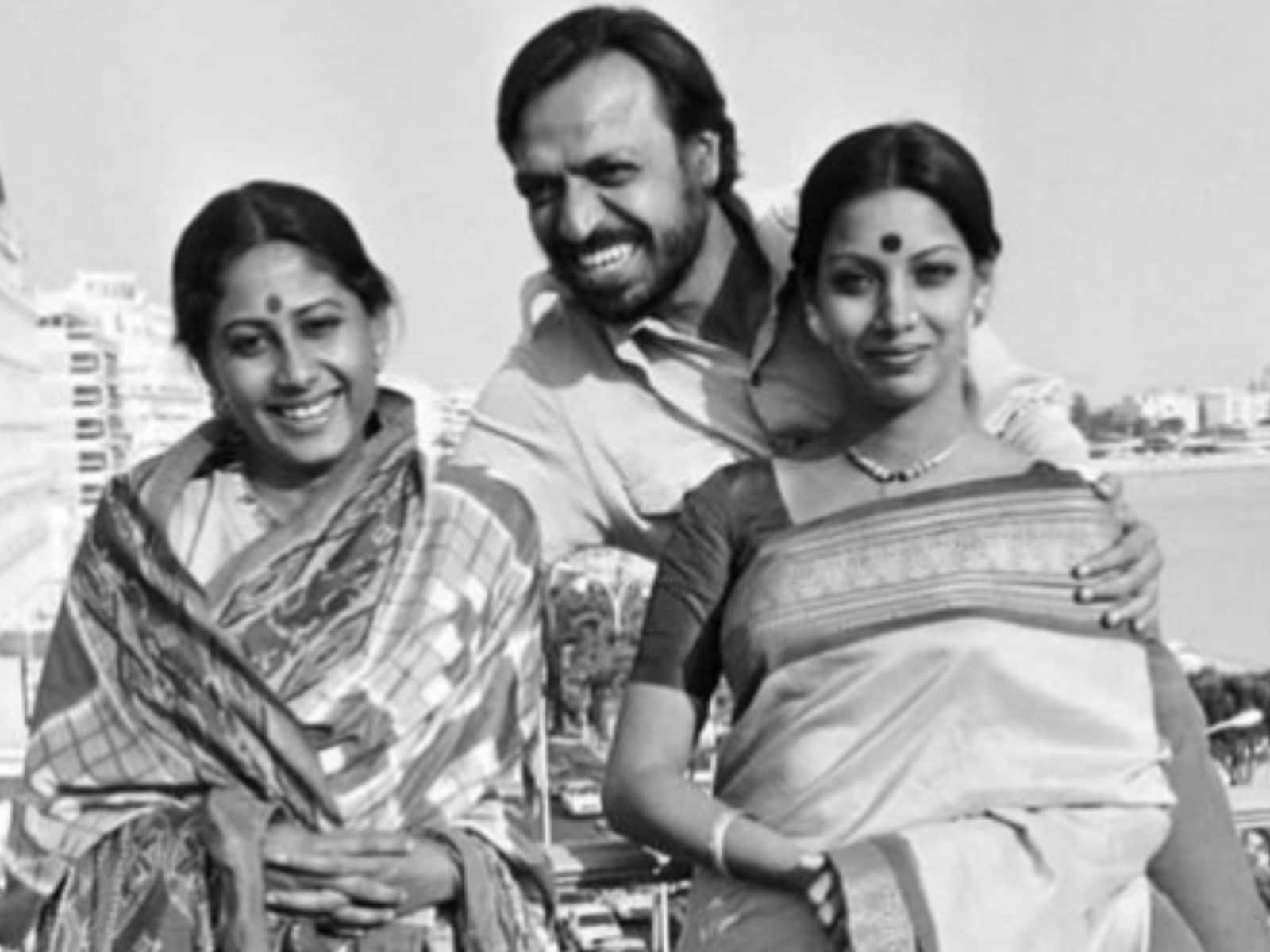
During the 1970s, actresses Shabana Azmi and Smita Patil became important faces of Indian parallel cinema globally.
Their film Nishant was screened at Cannes in 1976, representing a bold and realistic side of Indian storytelling rarely seen internationally before that period.
At a time when Bollywood glamour had not yet entered Cannes culture, actresses like Shabana Azmi and Smita Patil represented substance-driven cinema rooted in social realism and powerful performances.
Their Cannes presence helped establish Indian actresses as serious performers rather than simply glamorous stars.
Mira Nair Becomes the First Indian Woman on the Cannes Jury

In 1990, acclaimed filmmaker Mira Nair became the first Indian woman to serve on the Cannes jury.
This was a landmark moment not just for India but for women filmmakers globally. Mira Nair had already gained international recognition through films exploring identity, migration and culture, and her jury appointment reflected India’s growing artistic respect in international cinema circles.
Her achievement opened doors for greater female representation from India at prestigious global festivals.
Aishwarya Rai Bachchan Changes India’s Cannes Fashion Legacy
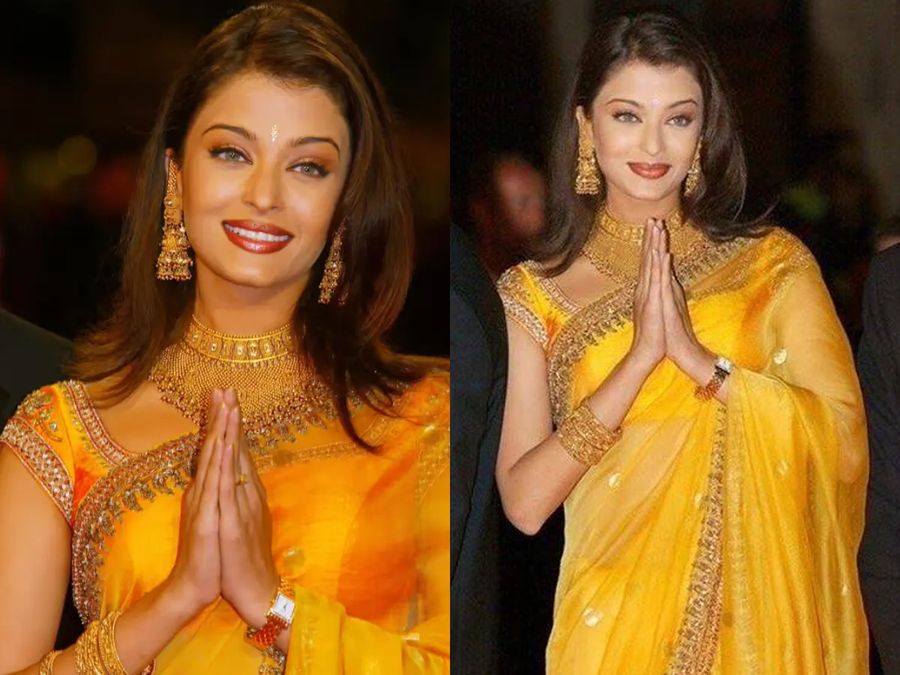
No discussion about India and Cannes can ever be complete without Aishwarya Rai Bachchan.
In 2003, Aishwarya became the first Indian actress to serve as a Cannes jury member a massive achievement at a time when Indian actors were still gaining international recognition.
But beyond the jury position, Aishwarya transformed the relationship between Indian celebrity culture and Cannes.
Year after year, her red carpet appearances became global headlines. From dramatic gowns and iconic makeup moments to traditional Indian looks, she brought unmatched glamour and visibility to Indian representation at Cannes.
Over time, she became emotionally associated with the festival itself. For many Indian audiences, Cannes and Aishwarya Rai became inseparable identities.
Her impact also changed how international luxury and beauty brands viewed Indian celebrities. She helped establish Indian actresses as global fashion figures capable of influencing worldwide conversations.
Lagaan Introduces Mainstream Bollywood to Global Cannes Audiences

When Lagaan premiered at Cannes, it became one of the biggest moments for mainstream Bollywood cinema internationally.
Starring Aamir Khan, the film introduced global audiences to large-scale Hindi storytelling filled with emotion, music, sports drama and cultural themes.
Unlike parallel cinema, Lagaan represented commercial Indian filmmaking at its grandest. Its success proved that Bollywood stories could emotionally connect with international audiences without losing their Indian identity.
The film later became an Oscar nominee and remains one of India’s most important global cinematic exports.
Vidya Balan Redefines Indian Fashion Representation at Cannes
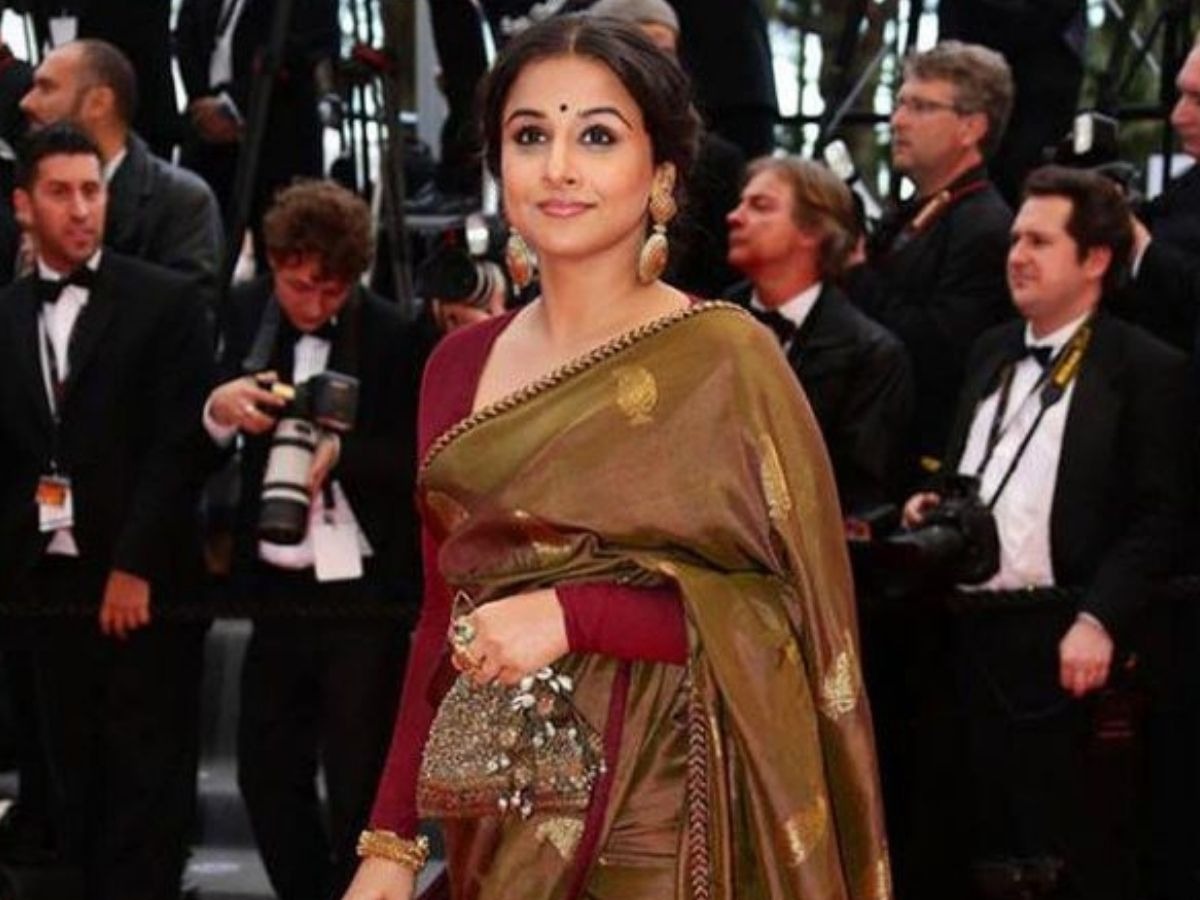
In 2013, Vidya Balan became a Cannes jury member and made headlines for proudly embracing Indian textiles, sarees and traditional silhouettes on the red carpet.
At a time when western gowns dominated global fashion conversations, Vidya’s choice to consistently wear Indian handloom and ethnic fashion became a statement of cultural pride.
She redefined what Indian representation could look like internationally proving that elegance did not require abandoning traditional identity.
Neeraj Ghaywan and Masaan Revive Global Interest in Indie Indian Cinema

In 2015, filmmaker Neeraj Ghaywan delivered a breakthrough moment for independent Indian cinema with Masaan.
The film won two awards in the Un Certain Regard section at Cannes and became one of the most celebrated Indian indie films globally.
Its emotional storytelling, realistic performances and rooted Indian setting resonated deeply with international audiences.
Masaan proved that small-budget Indian stories could achieve massive global recognition through authenticity and emotional honesty.
Six Pack Band’s Cannes Win Became a Landmark LGBTQ+ Moment
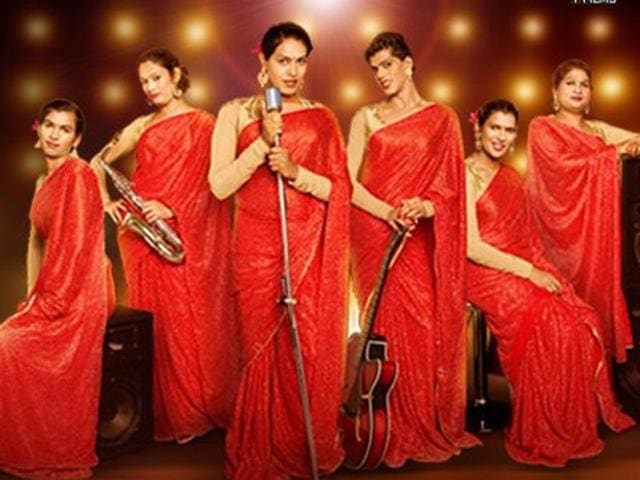
In 2016, India’s first transgender music group, Six Pack Band, won the Cannes Glass Lion Grand Prix for the campaign Hum Hain Happy.
This was more than just an advertising victory. It became a historic moment for LGBTQ+ visibility and representation from India on an international stage.
The campaign celebrated identity, inclusivity and acceptance while showing the world a more progressive and diverse side of Indian storytelling.
Mame Khan Brings Indian Folk Culture to Cannes
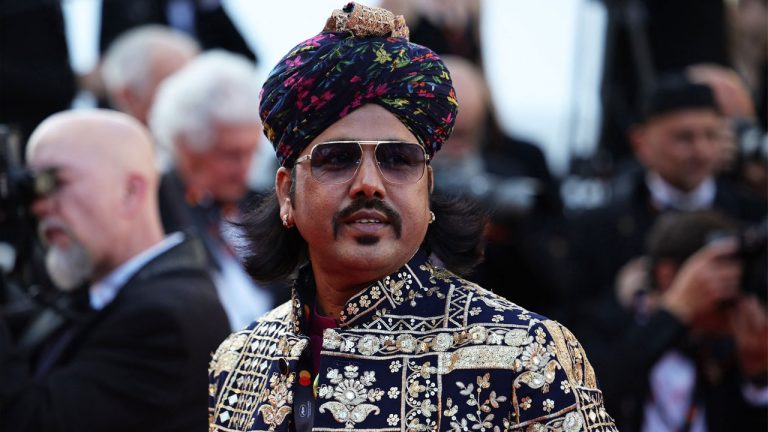
In 2022, Rajasthani folk singer Mame Khan became the first Indian folk artist to walk the Cannes red carpet.
Dressed proudly in traditional attire, Mame Khan represented India’s regional music traditions at one of the world’s biggest cultural events.
His appearance proved that Cannes was no longer limited to Bollywood glamour alone Indian folk and regional artistry also belonged on the global stage.
Anasuya Sengupta Creates History at Cannes 2024
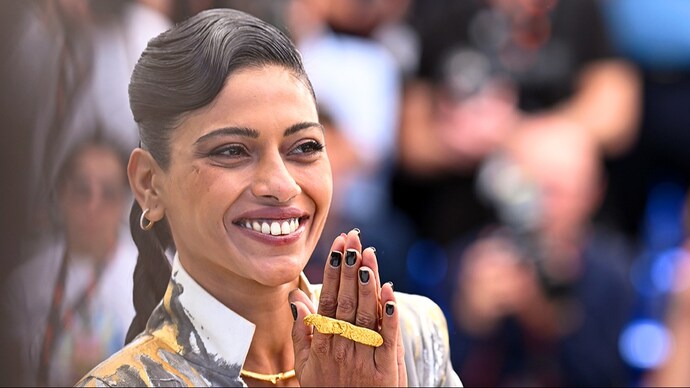
In 2024, Anasuya Sengupta became the first Indian actor to win Best Actress at Cannes for The Shameless.
The victory became one of the proudest modern achievements for Indian performers internationally and reflected the growing global appreciation for unconventional Indian storytelling.
Payal Kapadia Gives India Its Biggest Cannes Victory in Decades

Filmmaker Payal Kapadia created history when All We Imagine As Light won the Grand Prix at Cannes.
The victory was widely celebrated as India’s biggest Cannes achievement in decades and marked a powerful return of Indian arthouse cinema to the center of global film conversations.
Her success inspired a new generation of Indian filmmakers dreaming of international recognition.