




Did PM Modi Really Ask Indians to Stop Buying Gold? Understanding the Economics Behind the Message
New Delhi, May 12, 2026 A claim circulating online suggests Prime Minister Narendra Modi has asked citizens to stop buying gold. The message links the appeal to saving dollars, rising inflation, and the Iran crisis. But what are the actual economics behind this, and what happens if Indians pause gold purchases?
India: The World’s Largest Gold Buyer
India is the world’s biggest consumer of gold. Gold plays a central role in Indian households. It is used for investment, cultural traditions, and weddings. Because domestic production is limited, India imports most of its gold from countries like Dubai, Iraq, and Switzerland.
Every time India buys gold, it pays in US dollars. This means foreign exchange flows out of the country. At a time when dollars are also needed for critical imports like crude oil and electricity equipment, large gold imports can strain India’s forex reserves.
The Economic Logic: Save Dollars, Strengthen Rupee
The argument being shared is simple if India reduces gold imports for even one year and saves those dollars, three things could happen:
- Stronger Rupee: Lower dollar demand can help stabilize or strengthen the Indian rupee.
- Lower Inflation: A stronger rupee makes imports like oil cheaper, which helps control inflation.
- Cheaper Gold Later: Reduced global demand from the largest buyer can soften international gold prices, making future purchases cheaper for India.
Lessons From China and Russia
The message also cites China and Russia. Both countries have been aggressively buying gold to diversify reserves. Critics argue that heavy gold buying has contributed to inflationary pressures there. The point being made is that investing too much in gold does not always boost economic growth. Productive assets like infrastructure, energy, and technology often deliver better long-term returns.
What Did PM Modi Actually Say?
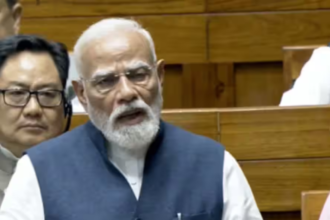
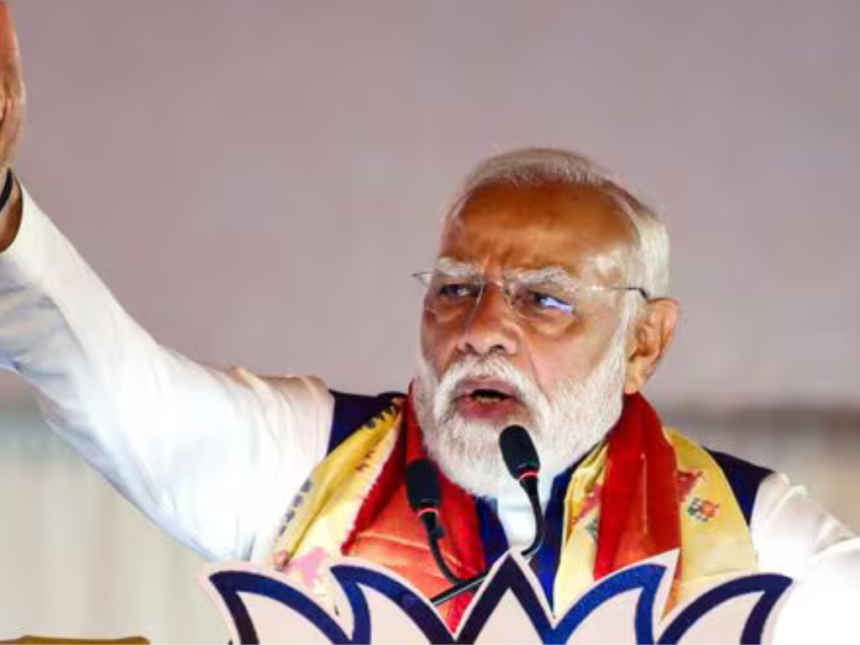
There is no official record of PM Modi telling citizens “do not buy gold.” The interpretation is that the government is signaling caution. The message is: “Pause, be patient, wait for the dollar to stabilize, and then India can enter the market with more strength.”
If the world’s largest gold buyer temporarily reduces demand, it gains leverage. Prices may cool, and India can buy strategically later. The idea is not to abandon gold forever, but to time purchases for national interest.
Beyond Gold: Energy Independence by 2030
The broader strategy links to energy. India is pushing solar power and electric vehicles, EVs, to cut oil import bills. If India reduces both gold and oil outflows, dollar savings would be significant. The government projects that by 2030, EV and solar adoption can sharply reduce crude oil dependency. This is being framed not as a sign of economic slowdown, but as preparation for India to emerge as a stronger economic power.
What Happens If People Ignore the Advice?
If gold imports continue at the same pace, India will keep spending billions of dollars annually on a non-productive asset. That could mean:
- Continued pressure on the rupee.
- Higher import bills for oil due to weaker currency.
- Missed opportunity to invest those dollars in infrastructure, technology, and energy security.
The core message being circulated is this: buying gold is not wrong, but timing matters. The appeal is to think about the national economy first. If dollars are saved today, India can build strength to buy gold and other assets tomorrow on better terms.
No official ban on gold exists. The discussion is about economic strategy. The suggestion is to prioritize national forex health over immediate gold consumption, with the goal of making India more self-reliant and powerful in the global market.