




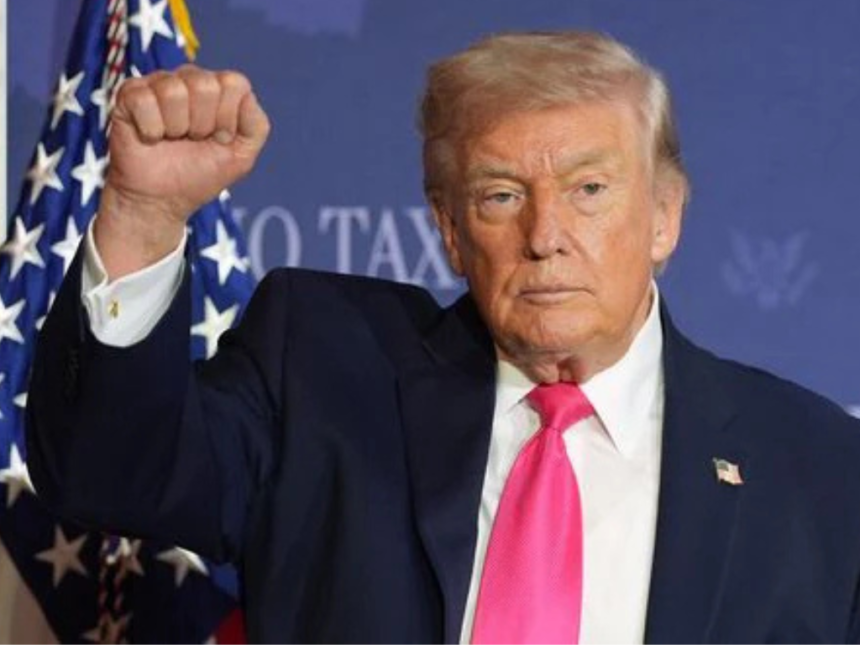
A fragile but potentially significant pause has emerged in the ongoing tensions between Israel and Lebanon, as both sides have agreed to a 10-day ceasefire set to begin on April 16, 2026. The truce was announced by Donald Trump following direct conversations with Israeli Prime Minister Benjamin Netanyahu and Lebanese President Joseph Aoun.
According to the announcement, the ceasefire will take effect at 5 p.m. EST, marking a coordinated effort to temporarily halt hostilities and create space for diplomatic engagement. While brief, the agreement is being viewed as an opportunity to de-escalate a volatile situation that has threatened to spiral into a broader regional conflict.
The absence of any reference to Hezbollah in the announcement has raised questions among analysts and observers. Hezbollah, a powerful political and militant group based in Lebanon, has historically played a central role in cross-border tensions with Israel. Its omission may signal either a behind-the-scenes understanding or a deliberate attempt to keep the agreement narrowly focused on state actors to ensure initial compliance.
Diplomatic observers note that ceasefires of this nature are often fragile, especially when non-state actors are involved but not explicitly included in agreements. Still, the involvement of high-level leadership on both sides, along with external mediation, suggests a shared interest in at least temporarily reducing hostilities.
Whether this 10-day pause can serve as a stepping stone toward a more durable peace remains uncertain. Much will depend on adherence to the ceasefire terms, the behavior of armed groups not directly named in the agreement, and the willingness of all parties to engage in further dialogue.
For now, the ceasefire offers a brief window of calm in a region long defined by cycles of conflict—one that many hope can be extended into something more lasting.