




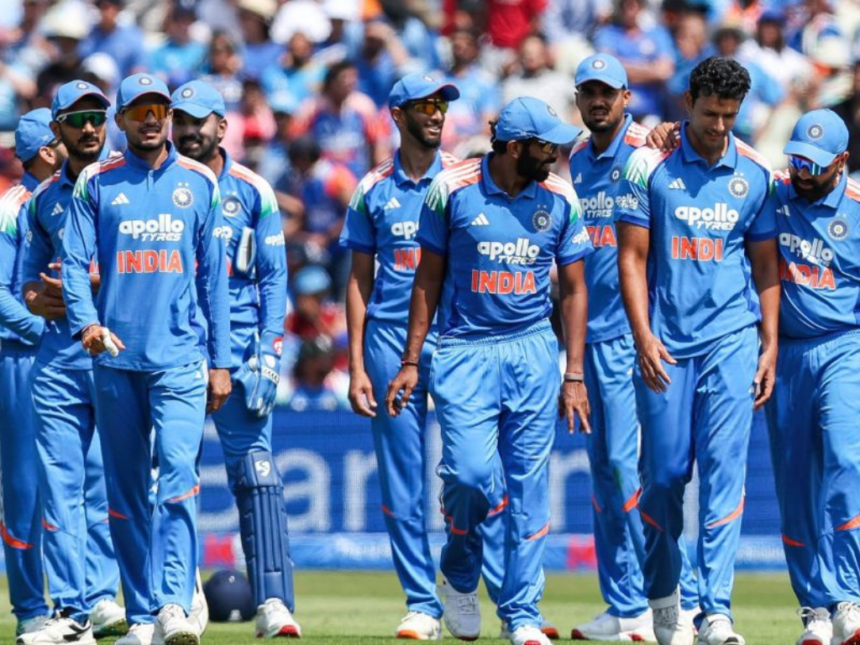
Indian cricket is facing an unusual fitness debate after reports suggested that some cricketers may be turning to weight-loss injections in an effort to achieve leaner and more athletic physiques.
The reported trend is said to involve both younger and senior players, including some cricketers associated with the Indian Premier League. With fitness becoming an increasingly important part of modern cricket, players are under constant pressure to maintain their body composition, stamina and athletic performance throughout a demanding season.
In recent years, the expectations placed on professional cricketers have changed significantly. Players are no longer judged only by their batting or bowling abilities. Speed between the wickets, agility in the field, endurance and overall physical conditioning have become crucial parts of the game. This has led many players to adopt highly structured training programmes and closely monitored diets.
However, the reported use of weight-loss injections has raised questions about how far players should go to meet modern fitness standards. While such medications can be prescribed for certain medical conditions, using them purely for rapid weight reduction without proper medical supervision can carry risks.
The concern becomes particularly significant in professional sport because losing weight is not necessarily the same as becoming fitter. Cricketers require sufficient muscle strength, energy and recovery capacity to cope with long training sessions and intense matches. A rapid reduction in body weight could potentially affect an athlete’s performance if it is not managed carefully.
The Indian Premier League has also contributed to the growing emphasis on physical fitness. The tournament’s demanding schedule requires players to travel frequently, play multiple matches and maintain high intensity over several weeks. For players competing at the highest level, even small improvements in fitness can make a difference, particularly in fielding and running between the wickets.
At the same time, the growing influence of social media has added another layer to the pressure. Players are constantly photographed and their physical transformations are closely discussed by fans. A leaner physique is often associated with being more athletic, creating additional expectations for cricketers who want to remain competitive.
The reported use of weight-loss injections therefore raises a larger question about the culture of fitness in Indian cricket. Professional athletes certainly need to maintain excellent physical condition, but experts generally stress that any medication or weight-management treatment should be undertaken only with qualified medical supervision and for appropriate reasons.
For cricket boards, franchises and team managements, the issue could also become an important part of player welfare. Monitoring how athletes approach weight management may help ensure that the pursuit of fitness does not turn into an unhealthy obsession with appearance or numbers on a weighing scale.
For now, the reports remain a concern rather than evidence that weight-loss injections are widespread across Indian cricket. No specific players should be identified or accused without verified information. But the discussion highlights how dramatically fitness standards have evolved in the sport and how much pressure modern cricketers face to maintain their bodies at peak performance levels.
As Indian cricket continues to place greater emphasis on athleticism, the challenge will be to find the right balance between physical transformation, performance and long-term player health. Fitness may be essential to succeeding in modern cricket, but shortcuts involving medication should never replace properly supervised training, nutrition and professional medical advice.