


‘Ladka Bevakoof Hai’: How Sunil Dutt Tried to Save Sanjay Dutt
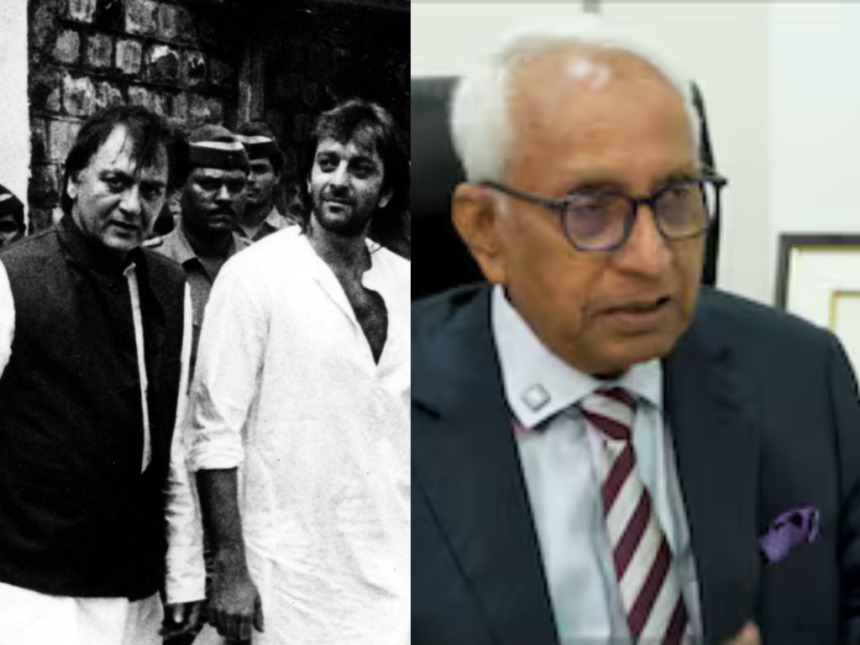
Former Mumbai Police Commissioner MN Singh has revisited one of the most controversial chapters in Bollywood history, recalling the intense pressure and emotional appeals he received during the investigation into Sanjay Dutt’s role in the aftermath of the 1993 Bombay bombings.
Speaking on a podcast with journalist Hussain Zaidi, Singh shared details of how actor-politician Sunil Dutt repeatedly approached him, urging leniency for his son.
Sanjay Dutt’s confession and arrest
According to Singh, the investigation revealed that Sanjay Dutt had been in contact with underworld don Dawood Ibrahim and had weapons delivered to his residence. The arms included a 9mm pistol, an AK-56 rifle, hand grenades, and ammunition.
When summoned for questioning, Sanjay reportedly admitted to his actions, stating that he had received threats during the communal riots and procured the weapons out of fear.
Singh, however, emphasized that the explanation did not justify the severity of the offence. Despite already having licensed weapons and police protection, Sanjay’s possession of military-grade arms raised serious concerns.
“He admitted it was a mistake, but these are not things one keeps for personal safety,” Singh recalled, adding that the actor was subsequently arrested.
Sunil Dutt’s emotional appeal
Singh also opened up about the repeated requests made by Sunil Dutt during the investigation. A respected public figure at the time, Sunil Dutt sought to protect his son from the harshest legal consequences.
“Singh saab bachaiye, ladka bevakoof hai, galti kar di,” Singh quoted Sunil Dutt as saying—pleading that his son was foolish and had made a mistake.
Sunil Dutt reportedly urged authorities not to invoke the stringent anti-terror law TADA, insisting that Sanjay was not a terrorist. While Singh acknowledged that Sanjay was not a “conventional terrorist,” he maintained that aiding individuals linked to terror activities was itself a grave offence.
Legal outcome and aftermath
The case unfolded in the shadow of the 1993 Bombay serial blasts, which killed 257 people and injured over 1,400. Sanjay Dutt was ultimately convicted under the Arms Act for illegal possession of weapons.
He was sentenced to five years in prison and served approximately three-and-a-half years before being released from Yerwada Central Jail in 2016 on remission for good conduct.
Sanjay Dutt’s current work
On the professional front, Sanjay Dutt continues to remain active in films. He was recently seen in Raja Shivaji and is set to appear next in Aakhri Sawal, directed by Abhijeet Mohan Warang, alongside Namashi Chakraborty, Amit Sadh, and Sameera Reddy. The film is scheduled for release on May 8.
Singh’s recollection offers a rare, behind-the-scenes glimpse into the emotional and legal complexities of a case that captured national attention—highlighting the difficult balance between personal appeals and the rule of law.