




Karnataka has rolled out a comprehensive set of new trekking regulations aimed at improving safety and preventing incidents of trekkers going missing in forested regions. The move comes after a series of rescue operations in popular trekking zones, prompting authorities to tighten control over access to sensitive forest trails.
The Karnataka Forest Department has introduced a new Standard Operating Procedure (SOP) that will govern trekking activities across notified forest routes, including several trails in the Western Ghats. The guidelines are designed to make adventure tourism more structured, monitored, and safe, without discouraging nature exploration.
Mandatory Guides and Online Permits
Under the new rules, trekking in forest areas will no longer be allowed without prior online registration and an official permit. Every trekker—whether part of a group or solo—will be required to be accompanied by a certified nature guide.
Solo trekking in forest zones has effectively been disallowed, with authorities stating that even single applicants will be assigned a guide. Additionally, each trail will have a daily cap of 150 trekkers to prevent overcrowding and reduce pressure on fragile ecosystems.
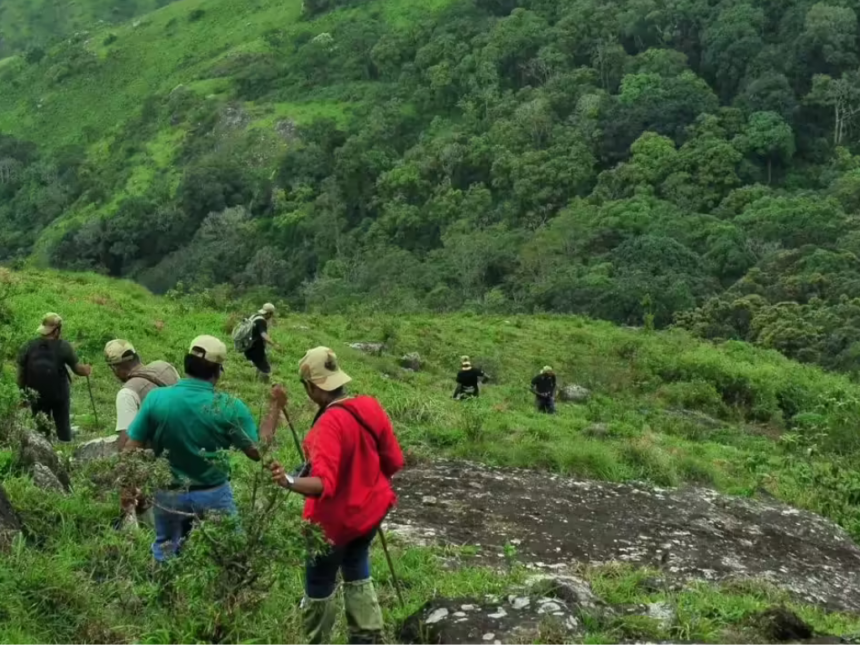
A strict guide-to-trekker ratio has also been introduced, with one trained guide required for every ten trekkers. These guides will be responsible for ensuring that groups remain together throughout the trek and that no participant deviates from the designated route.
Technology-Based Monitoring Introduced
To enhance real-time tracking, trekkers will be required to install a temporary monitoring application on their mobile phones. This system will help forest officials track movement along the trail and respond quickly in case of emergencies.
Guides will also be equipped with GPS-enabled walkie-talkies to maintain constant communication with base camps. Any delay or disruption in communication beyond set intervals will automatically trigger alerts, prompting immediate follow-up action.
Stronger Emergency Response System
The SOP includes a detailed emergency response mechanism for situations such as injuries or missing trekkers. In such cases, trekking groups will be instructed to halt immediately while guides inform base camps of the exact location and situation.
Rescue operations will be coordinated between forest officials, district authorities, and police teams. In difficult terrain or dense forest areas, drones and thermal imaging cameras may be deployed to assist search efforts.
To further enhance safety, approved trekking routes will now include clear markings, especially in high-risk zones such as steep slopes, cliff edges, and water crossings. Selected trails will also feature improved base camp facilities, including drinking water, rest areas, and basic sanitation.
Focus on Safety and Sustainable Tourism
The revised regulations come in response to recent incidents where trekkers lost their way in regions such as Kodagu, leading to large-scale rescue operations. Authorities believe the new framework will help reduce such risks and ensure better coordination during emergencies.
While the rules may reduce the flexibility of spontaneous trekking, officials argue that they will significantly improve safety standards and promote responsible tourism in ecologically sensitive areas.
For travellers, planning a trek in Karnataka will now require more preparation, but the state hopes the changes will ultimately lead to safer, more organized, and sustainable outdoor experiences.