



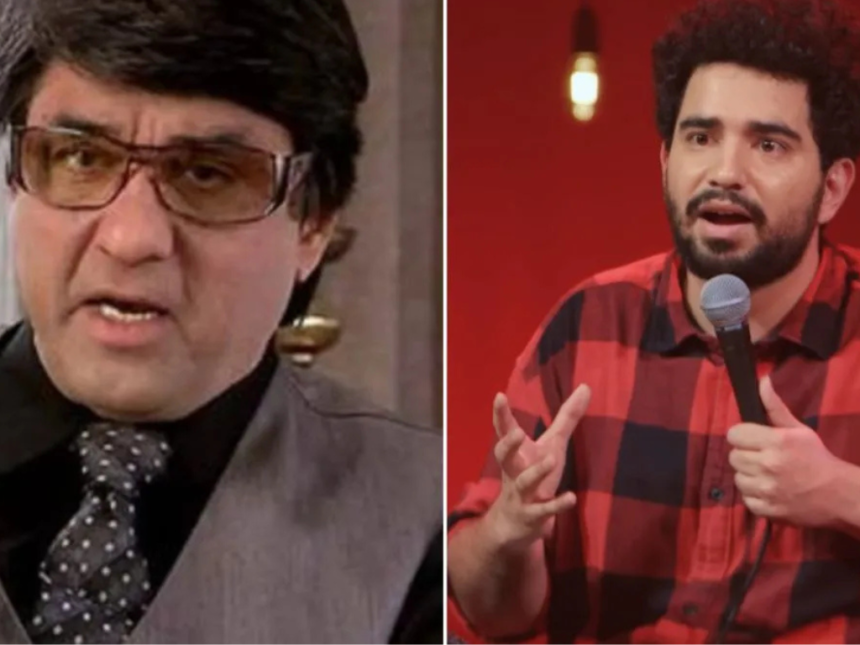
Mukesh Khanna and Samay Raina Lock Horns Again Over ‘Shaktimaan’ Remarks
The comedy circuit and social media are buzzing once more as stand-up comedian Samay Raina revisits a controversy that shook his career last year, this time through his special Still Alive. The veteran actor Mukesh Khanna, best known for portraying the iconic superhero Shaktimaan, responded with a fiery post, adding fresh fuel to the debate.
The Genesis of the Controversy
The saga began during an episode of Raina’s comedy variety show India’s Got Latent, featuring Ranveer Allahbadia. The episode went viral for controversial remarks on sensitive topics, which drew backlash from audiences and authorities alike. Multiple FIRs were filed, and both Raina and Allahbadia were summoned by the National Commission for Women (NCW).
At that time, Khanna openly criticized Allahbadia, calling the comments “ashleel and irresponsible” and suggesting severe public censure. Raina, caught in the crossfire, faced intense trolling and legal scrutiny.
Raina’s Perspective in Still Alive
Also Read :- https://youtu.be/LhpZJwUboeI?si=J1hFQt1ZdLjHLcPl
In his 1.21-hour special, Raina addressed the incident with characteristic wit and sarcasm. He described his shock at facing the ire of Shaktimaan himself:
“Shaktimaan aa gaya tha yaar. Shaktimaan se kaise ladenge? Sorry, Shaktimaan! Tune bachhe maare hain fak-fak-fak karke, tu kya moral high ground lekar baitha hai?”
Through humor, Raina pointed out the irony of the superhero figure publicly judging him for controversial content while he himself had been a moral symbol in the eyes of children. The comic also reassured his audience that he intends to bring back another season of India’s Got Latent, refusing to be silenced by criticism.
Mukesh Khanna Strikes Back
Khanna’s Instagram post after Raina’s special was nothing short of theatrical. He wrote:
“Kutte ki dum tedhi rehti hai. Use lakh sheeshiyon mein rakho, baahar nikalo. Phir tedhi ki tedhi. Samay Raina ki bhi ek dum hai. Kitna bhi maaro, seedha karo, wo wapas tedhi ho jaati hai. Kyunki wo seedha-saada praani nahin hai…”
Khanna went further, suggesting symbolic public punishment for Raina, including blackening his face, mounting him on a donkey, and parading him through streets while children pelted him with eggs and tomatoes—citing it as a reaction to Raina’s “insult” to Shaktimaan.
The post echoed Khanna’s earlier remarks from last year when he had recommended stringent measures against those he deemed offensive toward the iconic superhero.
Also Read :-
A post shared by Mukesh Khanna (@iammukeshkhanna)
The Cultural Clash
This feud highlights a deeper cultural tension: the clash between modern satire and traditional icons. Shaktimaan, which aired in the late 1990s, remains a moral touchstone for many, especially children who grew up idolizing the character. Raina’s comedy, in contrast, thrives on irreverence, pushing boundaries and questioning societal norms.
Raina’s approach emphasizes commentary through humor: challenging authority, poking fun at revered figures, and exposing societal contradictions. Khanna, as both the actor and producer associated with Shaktimaan, defends the character’s moral sanctity, reflecting a more conservative stance on public discourse and respect for cultural icons.
Public and Media Reactions
Social media is divided. Fans of Raina praise his courage and comedic timing, calling the controversy a reminder that satire should be allowed in democratic discourse. Meanwhile, supporters of Khanna argue that Raina’s jokes crossed the line, disrespecting a beloved cultural figure and influencing young minds.
Entertainment portals and legal commentators have also noted that this clash exemplifies the fine line comedians in India walk between humor and legal/ethical accountability. Past examples include censorship of shows and stage acts that were deemed offensive by audiences or authorities.
What Lies Ahead
While the feud is currently unfolding online, it remains to be seen whether Khanna will pursue further legal or official action. Raina, meanwhile, continues to engage audiences with his comedy specials, demonstrating that controversy can fuel, rather than hinder, creative expression.
The episode serves as a cautionary tale for performers in India: while satire is powerful, it can provoke intense backlash, especially when it involves cultural or moral icons. At the same time, it highlights the resilience of contemporary comedians, who use humor to navigate public opinion and maintain their artistic voice.