




Major Iqbal in Dhurandhar 2: Arjun Rampal’s ‘Angel of Death’ Redefines Villainy
In Dhurandhar 2, Arjun Rampal’s portrayal of Major Iqbal has immediately captured audience attention, not just for his screen presence, but for the chilling aura he brings to the role. Unlike conventional antagonists who rely on loud threats or explosive action to assert dominance, Major Iqbal’s menace is quiet, precise, and meticulously calculated. His every action feels deliberate, his violence measured—earning him the haunting title, the “Angel of Death.”
The Making of a Terrifying Persona
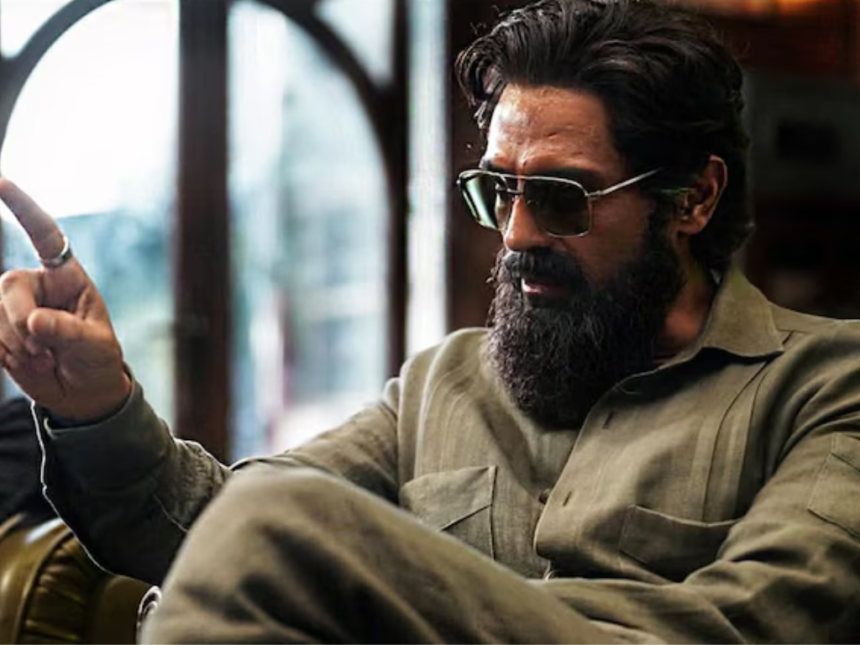
Director Aditya Dhar introduces Major Iqbal as more than just an antagonist; he is a force in himself. His calm and composed demeanor contrasts sharply with the chaos around him. The thick beard, dark glasses, and stoic body language lend him an almost impenetrable exterior, while his emotional detachment amplifies the sense of inevitability surrounding his actions. This is not merely a man who kills; he is a character who administers death like an executor of fate.
Rampal’s depiction is terrifying precisely because it blends restraint with brutality. From the very first glimpse, Iqbal’s presence signals that violence is not chaotic or impulsive—it is intentional, almost ritualistic. One particularly chilling scene sees him execute an Indian agent with tiny needles while calmly narrating a tale from 1971, underscoring his unsettling composure even in moments of extreme cruelty.
The Layers of the ‘Angel of Death’
The phrase “Angel of Death” carries a long and multi-layered history spanning religion, folklore, criminology, and modern history. In Islamic tradition, the Angel of Death, or Azrael, separates the soul from the body at the appointed time, acting as an instrument of divine will rather than a figure of evil. Similarly, in Jewish tradition, Malakh ha-Mavet is a messenger who may appear terrifying but ultimately functions within a divine order.
Modern history, however, brings a darker lens. The notorious Josef Mengele, the Auschwitz doctor also called the Angel of Death, combined clinical detachment with systematic cruelty, deciding life and death with chilling calm and reducing human lives to subjects for experimentation. Major Iqbal mirrors this same sense of terrifying, calculated control, making his brutality feel almost inevitable and profoundly unnerving.
In criminology, “Angel of Death” is often used for caregivers or medical professionals who murder those under their care. In the film, Major Iqbal kills his own father, Brigadier Jahangir, in a shocking act of control that evokes this archetype. The calm, measured violence mirrors the control and authority associated with these real-life cases, where killers manipulate the line between mercy and dominance.
Convergence of Meanings in Dhurandhar 2
What makes Major Iqbal’s character so compelling is how it synthesizes all these interpretations. From a religious perspective, he embodies the inevitability of death; from a historical lens, he evokes the clinical horror of those like Mengele; from an emotional standpoint, he becomes the figure responsible for deeply personal loss; and from a criminological angle, he wields authority over life and death, even over his own father.
Aditya Dhar’s meticulous attention to detail, or “peak detailing,” is evident in how these layers converge to create a character that is more than a villain he is a force of nature, a study in calm terror, and a haunting reflection of death as an instrument of both fate and human will.
Major Iqbal is not just a character in Dhurandhar 2; he is the embodiment of the multifaceted concept of the Angel of Death—terrifying, inevitable, and unforgettable.