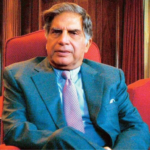



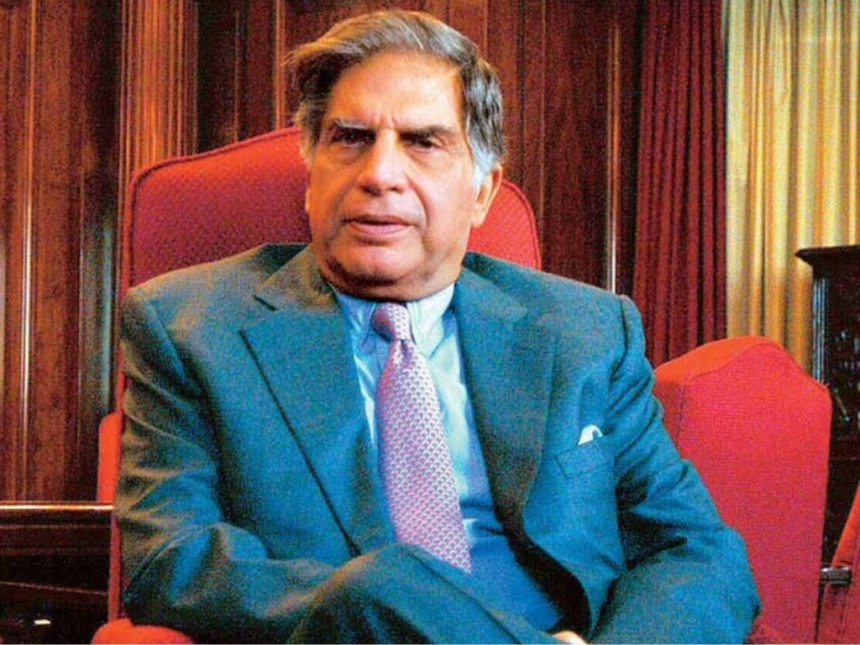
October 9, 2026, marks the second death anniversary of Ratan Tata, the legendary industrialist, philanthropist and former chairman of Tata Sons. Two years after his passing, his life and legacy continue to hold a special place in the hearts of millions of Indians who admired him not only for his business achievements but also for his humility, compassion and commitment to society.
Ratan Tata passed away on October 9, 2024, at the age of 86 in Mumbai. His death marked the end of an era for Indian business, leaving behind a legacy built on innovation, trust, ethical leadership and service to humanity.
A Business Leader Who Helped Shape Modern India
Ratan Tata played a significant role in transforming the Tata Group into a globally recognised business conglomerate. He became chairman of Tata Sons in 1991, a period when India was beginning a major phase of economic liberalisation.
Under his leadership, the group expanded its international presence and strengthened its position across industries, including automobiles, steel, information technology and consumer products.
Some of the most notable milestones of his tenure included Tata Motors’ acquisition of Jaguar Land Rover in 2008 and Tata Steel’s acquisition of Corus in 2007. These landmark deals reflected the group’s growing global ambitions.
He also supported the development of the Tata Nano, an ambitious effort to make car ownership more accessible to Indian families. Although the project faced commercial challenges, it demonstrated his willingness to pursue ideas that were different from conventional business strategies.
Leadership Rooted in Values and Trust
What made Ratan Tata stand out was the importance he placed on values alongside business growth. He was widely associated with the belief that companies should build trust, act responsibly and contribute positively to the communities around them.
His leadership style earned respect across industries. He was known for maintaining a relatively private personal life despite his public stature and for speaking about responsibility, integrity and long-term thinking.
For many young entrepreneurs, his journey became an example of how ambition and business success could be accompanied by a sense of social responsibility.
A Philanthropist Who Believed in Giving Back
Ratan Tata’s legacy extended far beyond boardrooms and business deals. Philanthropy was a central part of the Tata Group’s identity, and the Tata Trusts have supported initiatives in areas such as healthcare, education, rural development, nutrition and scientific research.
Through his association with these institutions, Tata helped advance efforts aimed at improving people’s lives and expanding access to essential services.
His philanthropic work also reflected a broader philosophy: that business success should have a meaningful impact on society. For many people, this commitment became one of the most memorable aspects of his life.
Why Ratan Tata Continues to Inspire Generations
Even two years after his death, Ratan Tata remains an influential figure for students, professionals, entrepreneurs and business leaders. His journey is remembered not just through major corporate milestones but also through the values he represented.
His story continues to inspire conversations about responsible leadership, innovation, humility and the importance of using resources to help others. His public image was closely associated with compassion, and his support for social causes strengthened that connection with people across India.
A Legacy That Lives Beyond His Lifetime
On his second death anniversary, Ratan Tata is remembered as a leader who helped shape the future of Indian industry while remaining closely associated with philanthropy and social welfare.
His contributions to business, his commitment to public causes and the institutions connected with his work continue to influence lives. While his absence is still felt by those who admired him, the values he championed remain relevant to future generations.
Ratan Tata’s life serves as a reminder that a person’s legacy is measured not only by what they build, but also by the opportunities they create and the difference they make to others. Two years after his passing, his influence continues to be felt across India’s business and social landscape.