





Zeenat Aman Reveals Untold Story Behind Dum Maro Dum, Pays Tribute to Asha Bhosle
In a heartfelt tribute shared days after the passing of legendary singer Asha Bhosle, veteran actress Zeenat Aman offered fans a rare glimpse into the making of one of Bollywood’s most iconic songs—Dum Maro Dum. Her nostalgic post not only celebrated the singer’s legacy but also uncovered a fascinating detail about the song’s original conception.
A Song That Defined an Era
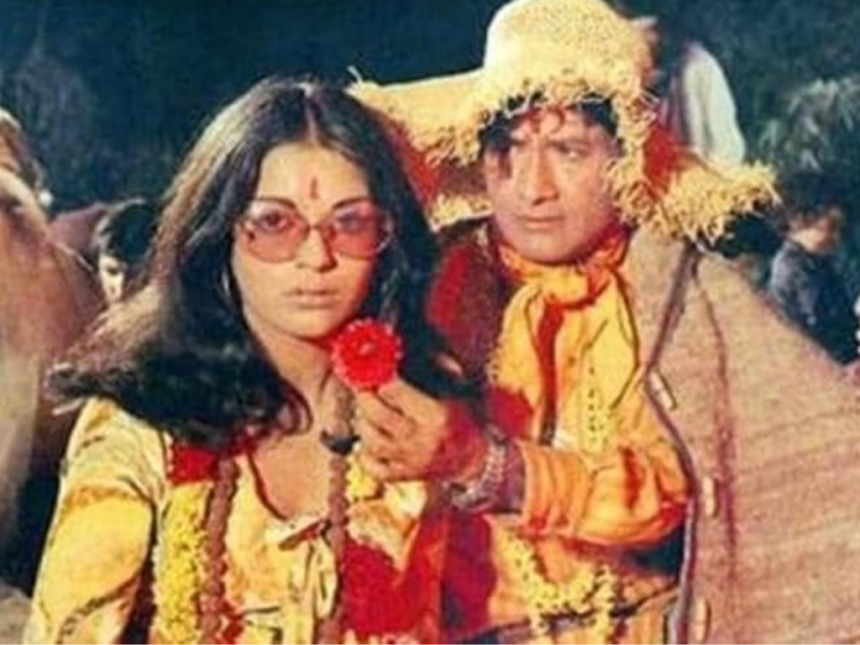
Featured in the 1972 film Hare Rama Hare Krishna, Dum Maro Dum became a cultural phenomenon upon release. Sung by Asha Bhosle and composed by the legendary R. D. Burman, the song was picturised on a young Zeenat Aman, whose portrayal of the free-spirited Janice struck a chord with audiences across generations.
The song’s hypnotic rhythm, rebellious undertones, and unconventional visuals helped it stand apart, eventually earning it a place among the most memorable tracks in Indian cinema history.
Originally Meant as a Duet
In her social media post, Zeenat Aman revealed a surprising twist in the song’s journey. According to her, Dum Maro Dum was initially envisioned as a duet featuring two powerhouse voices—Lata Mangeshkar and Usha Uthup.
However, R.D. Burman had a different vision. He believed the song required a distinct, sultry tone—one that Asha Bhosle uniquely possessed. That decision proved pivotal, as her rendition ultimately became synonymous with the song’s identity.
Zeenat Aman reflected on this choice with admiration, crediting Asha Bhosle for giving her the “soundtrack to success” early in her career.
Behind the Scenes: A Bold Approach to Authenticity
Zeenat Aman also revisited the unconventional shooting process of the song, directed by Dev Anand. Filmed in Kathmandu, Nepal, the sequence aimed to capture the raw essence of the hippie subculture that the film explored.
To achieve authenticity, the young actress—then still in her teens—was encouraged to immerse herself fully in the scene. She recalled participating in the environment portrayed on screen, which left her “high as a kite” by the end of the shoot.
After filming wrapped for the day, crew members reportedly took her on a drive to a scenic Himalayan viewpoint, where she gradually recovered in the crisp mountain air. While the experience added realism to her performance, it did not go unnoticed at home—Zeenat later revealed that her mother was furious upon learning about the incident.
A Cultural Milestone
Beyond its behind-the-scenes anecdotes, Dum Maro Dum achieved remarkable success. It topped the annual rankings of Binaca Geetmala in 1972 and held the number one position for 12 weeks before being declared a “Sartaj Geet,” a distinction reserved for songs with exceptional popularity.
The track’s influence extended far beyond charts. Zeenat Aman’s bold styling, carefree attitude, and the song’s rebellious vibe resonated strongly with the youth of the time, making it a defining moment in Bollywood’s portrayal of counterculture.
Also Read :-
A post shared by Zeenat Aman (@thezeenataman)
Remembering Asha Bhosle’s Legacy
Zeenat Aman’s tribute serves as a reminder of Asha Bhosle’s extraordinary contribution to Indian music. Her voice brought depth, sensuality, and individuality to Dum Maro Dum, elevating it from a film song to a timeless anthem.
Decades later, the song continues to evoke nostalgia, rebellion, and artistic freedom—testament to the creative synergy between Asha Bhosle, R.D. Burman, and Zeenat Aman.
As stories like these resurface, they not only celebrate the legends behind the music but also preserve the rich history of an era that transformed Bollywood forever.