




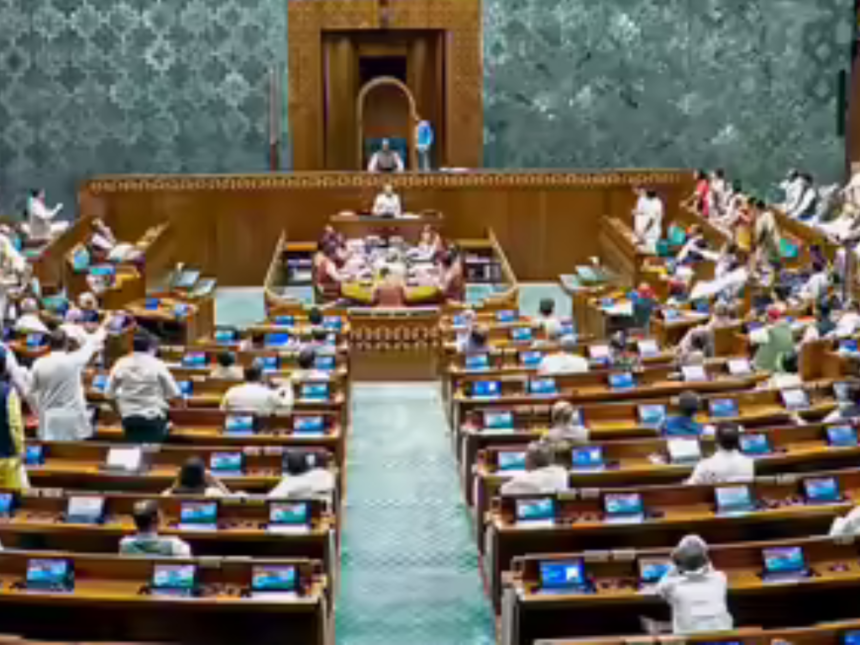
The Women’s Reservation Bill (Constitution Amendment Bill, 2026) was defeated in the Lok Sabha on April 17, 2026, after failing to secure the required two-thirds majority, despite a strong show of support in voting.
The bill received 298 votes in favour and 230 against during the division in the lower house of Parliament. However, it fell short of the constitutional requirement of approximately 360 votes needed for a two-thirds majority of members present and voting.
Following the result, Speaker Om Birla formally announced that the bill had not been passed, confirming its defeat in the House.
A Major Legislative Setback
The Women’s Reservation Bill, formally titled the Constitution Amendment Bill, 2026, aimed to reserve seats for women in Parliament, a long-debated reform in India’s political landscape. Despite significant political backing, the inability to reach the constitutional threshold resulted in its failure.
The outcome represents a setback for efforts to enhance women’s representation in legislative bodies, a goal that has been part of ongoing parliamentary discussions for years.
Voting Outcome and Parliamentary Dynamics
While the bill managed to secure a clear majority in favour, it could not meet the higher constitutional bar required for amendments of this nature. The division vote highlighted differing positions across parties, ultimately preventing the legislation from advancing.
What Happens Next
With the bill not passing, it cannot proceed further in its current form. Any future attempt would require reintroduction and fresh approval through the legislative process, including securing the necessary majority in both Houses of Parliament.
The result underscores the challenges faced by major constitutional reforms, even when they receive substantial support in principle.