





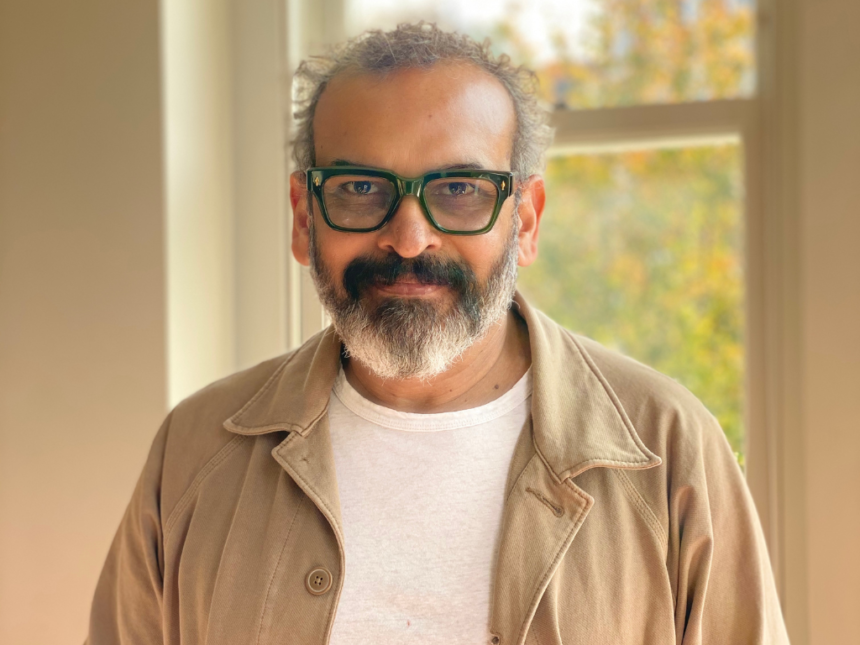
Subodh Gupta Takes Over Met Gala 2026: From Viral Mango Sculpture to Futuristic Masks, Indian Art Goes Global
From a hyper-real mango that briefly fooled viewers to a striking metallic face mask that redefined red carpet presence, contemporary Indian artist Subodh Gupta unexpectedly became one of the most talked-about creative forces at the Met Gala 2026. His works, seen through appearances by Isha Ambani and Ananya Birla, sparked a global conversation on how Indian contemporary art is reshaping fashion storytelling.
Art meets the Met Gala spotlight
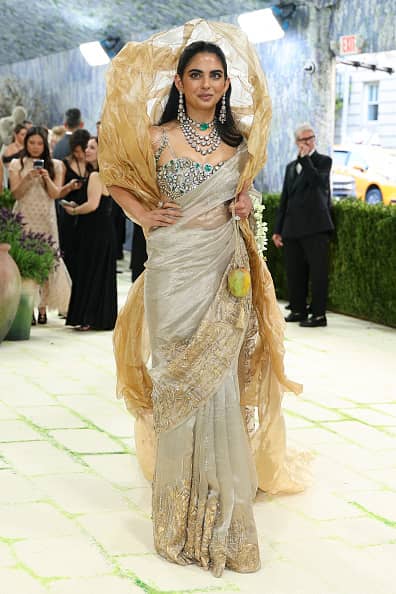
At the centre of attention was Gupta’s ability to transform everyday objects into conceptual statements. In one of the night’s most widely discussed moments, Isha Ambani revealed that her sculptural mango accessory was not a fruit at all but a carefully crafted artwork by Gupta. What appeared playful at first glance carried his signature philosophy—elevating the ordinary into something symbolic and thought-provoking.
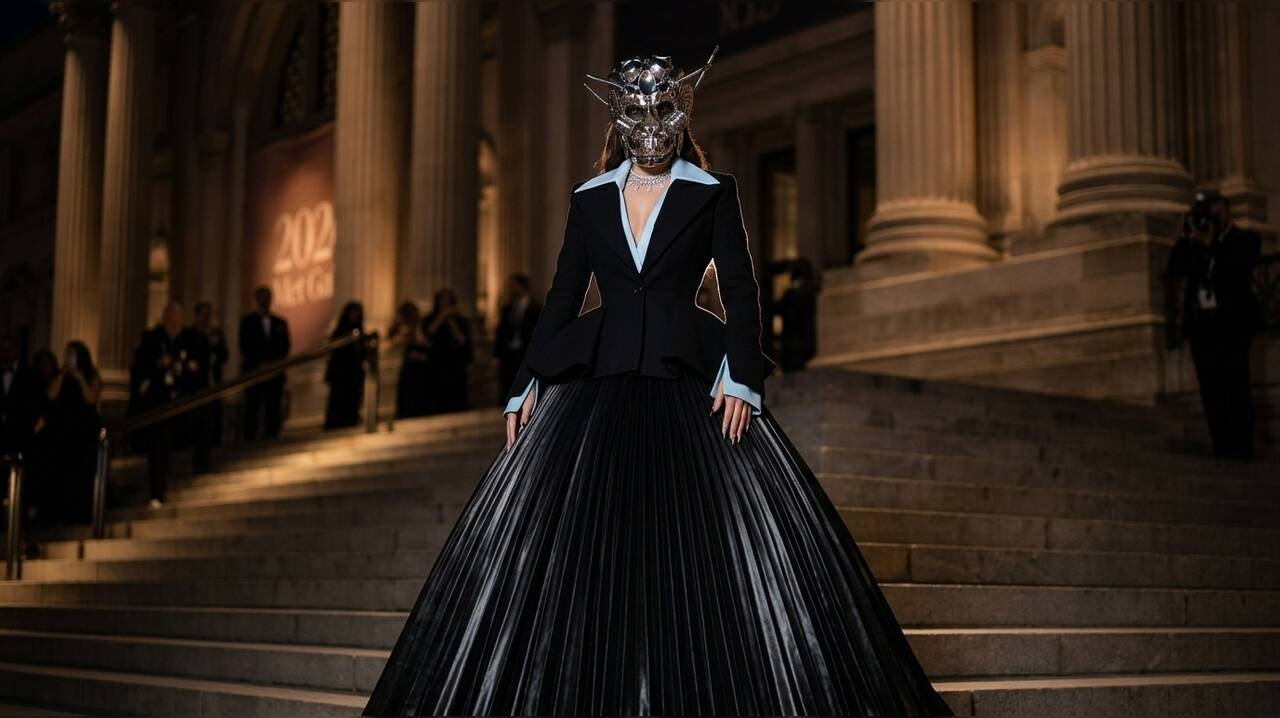
In contrast, Ananya Birla’s metallic face mask pushed that idea into a more futuristic space. The sculptural piece blurred the line between armour and adornment, turning identity itself into a visual concept. Together, these two moments positioned Gupta’s work at the intersection of fashion, sculpture, and performance art.
A language built from the everyday
Born in 1964 in Khagaul, Bihar, Subodh Gupta is known for using domestic objects such as steel utensils, tiffin boxes, bicycles, and milk pails to reflect the rhythms of everyday Indian life. His practice spans sculpture, installation, painting, photography, video, and performance, often turning familiar objects into large-scale conceptual works.
His artistic journey is rooted in lived experience. Before becoming a full-time artist, Gupta worked in street theatre and studied fine arts at the College of Arts and Crafts in Patna. His early years in Delhi were marked by struggle, but they eventually led to recognition at major international platforms including the Fukuoka Asian Art Triennale and Gwangju Biennale.
From kitchens to global museums
Gupta’s breakthrough on the global art stage came through large-scale installations made from kitchen utensils and household items—objects deeply tied to memory and migration. One of his most famous works, Very Hungry God, a massive skull constructed from stainless steel utensils, was acquired in 2006 by collector François Pinault, cementing his international reputation.
Today, his works have been exhibited at leading institutions such as Tate Britain, the Victoria and Albert Museum, Art Basel, and the National Gallery of Victoria, placing him among India’s most influential contemporary artists.
Meaning behind the materials
A defining aspect of Gupta’s practice is his focus on material memory. Rather than polished industrial surfaces, he often works with found objects that carry signs of use—scratches, dents, and wear that reflect human presence.
He has often spoken about how these objects are tied to memory and identity, especially within Indian households, where utensils and everyday tools carry emotional and cultural significance across generations.
A new stage for Indian contemporary art
At the Met Gala 2026, Gupta’s work moved beyond galleries and museums into one of the world’s most visible cultural platforms. Seen on figures like Isha Ambani and Ananya Birla, his creations became part of a global fashion narrative, merging sculpture with couture in unexpected ways.
This crossover moment signals a shift in how contemporary art is being experienced—not just as something to observe in museums, but as something to wear, move through, and inhabit.
From a mango that blurred perception to a mask that redefined presence, Subodh Gupta demonstrated that everyday objects still hold the power to surprise, provoke, and transform—now on one of fashion’s biggest global stages.