




Which Countries Don’t Have Any Rivers? A Look at the World’s Riverless Nations
Rivers have always been central to human civilisation. From ancient settlements along the Indus River Valley Civilization to modern megacities built beside flowing waterways, rivers have shaped agriculture, trade, and survival for thousands of years.
But surprisingly, not every country in the world has a single permanent river. Some nations exist entirely without natural river systems and have adapted through innovation, engineering, and alternative water sources.
Here’s a look at countries that have no permanent rivers within their borders.
1. Saudi Arabia
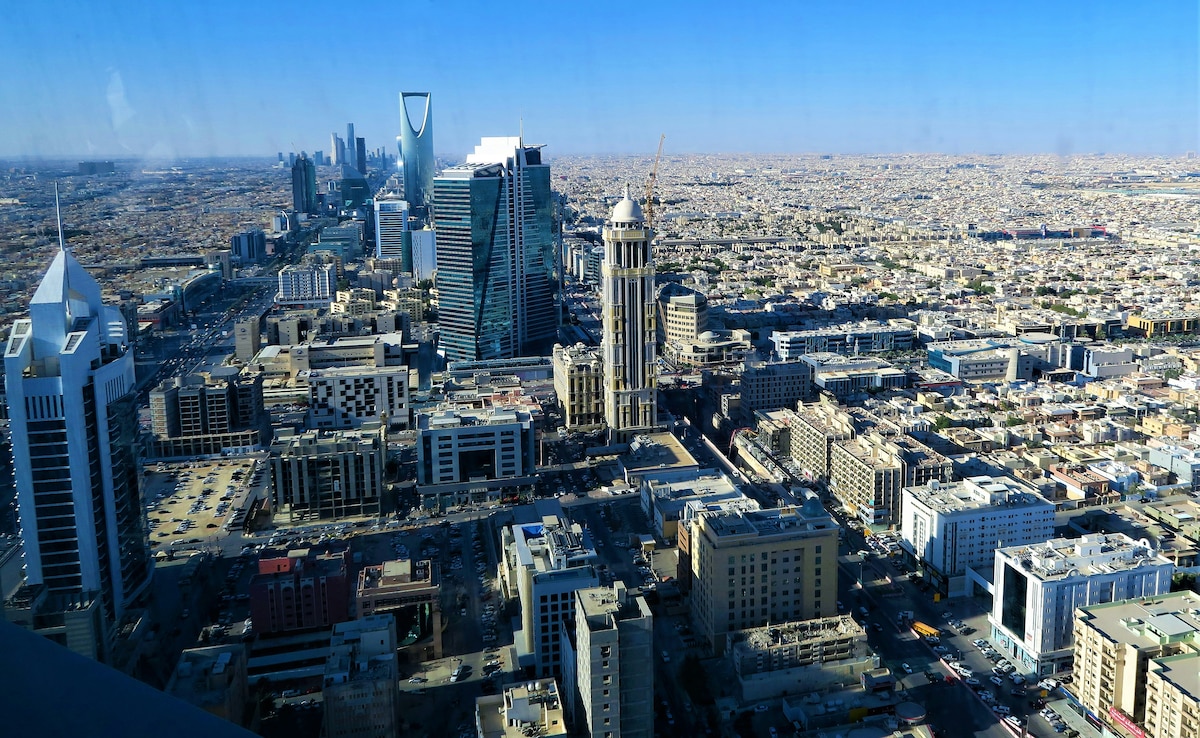
Saudi Arabia is the largest country in the world without a permanent river. Instead of flowing rivers, its landscape is dominated by deserts and dry valleys called wadis, which only carry water briefly after rare rainfall.
Because of extreme aridity, the country relies heavily on groundwater reserves and large-scale desalination plants for drinking water and agriculture.
2. United Arab Emirates
United Arab Emirates has no natural rivers due to its hot desert climate. Occasional wadis may form during rainfall, but they disappear quickly.
Today, the country depends almost entirely on desalinated seawater and advanced water recycling systems to support its population and rapid urban development.
3. Qatar
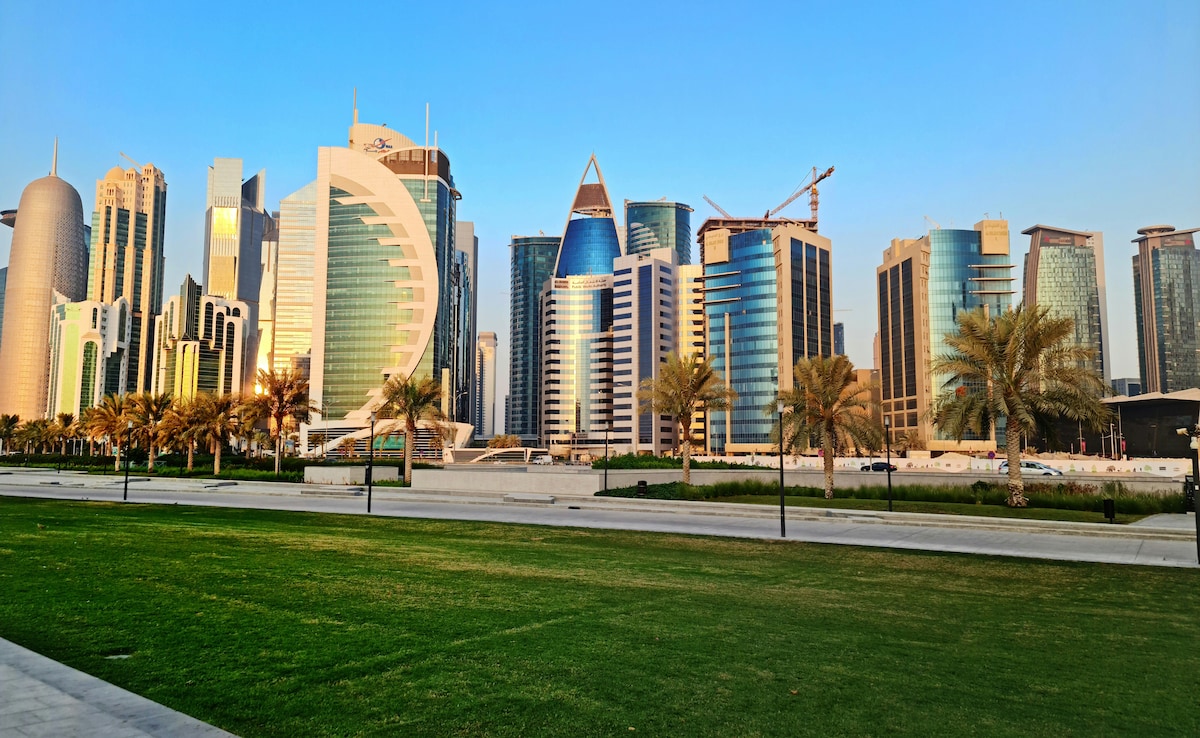
Qatar also has no rivers or permanent freshwater streams. Its flat desert terrain and extremely low rainfall prevent any natural river formation.
To meet water demands, Qatar relies on desalination plants and limited underground aquifers.
4. Kuwait
Kuwait is another riverless nation with no lakes or permanent streams. Extreme heat and minimal rainfall make natural freshwater systems impossible.
The country depends on desalinated seawater as its primary water source.
5. Bahrain
Bahrain has no rivers, though it historically had natural underwater freshwater springs that supported early settlements.
Most of these sources have now diminished, and desalination has become the main supply of drinking water.
6. Oman
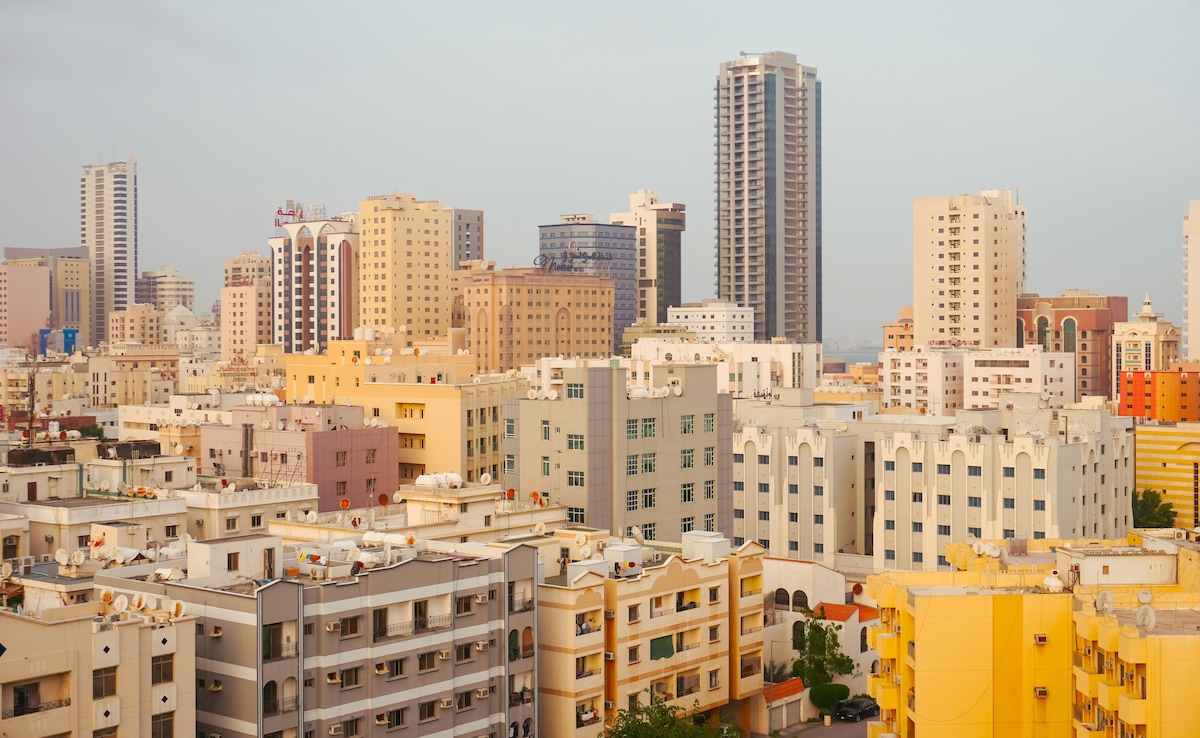
Oman does not have permanent rivers but features seasonal water channels called wadis that flow after rainfall.
Ancient irrigation systems known as aflaj help distribute this temporary water for farming and daily use.
7. Maldives
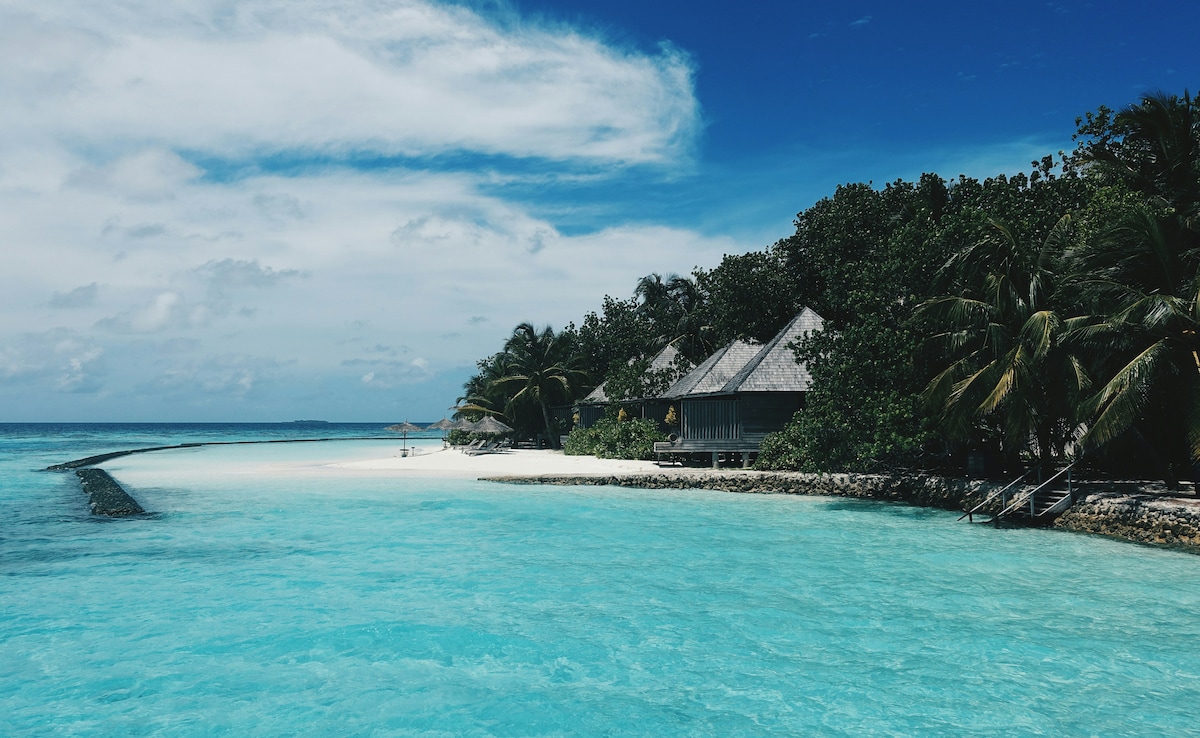
Maldives is made up of low-lying coral islands and has no rivers, lakes, or streams.
Freshwater exists only as underground “lenses” formed by rainwater, making conservation and desalination critical for survival.
8. Malta
Malta has no permanent rivers due to its limestone terrain. Only short-lived streams form during heavy rainfall before quickly drying up.
Groundwater and desalination plants provide most of its freshwater supply.
How These Countries Survive Without Rivers
Even without natural rivers, these nations have developed strong water management systems, including:
- Large-scale desalination plants
- Groundwater extraction
- Rainwater harvesting systems
- Advanced recycling and conservation methods
These innovations ensure water security in some of the world’s driest environments.
Final Thought
While rivers have shaped much of human history, these countries prove that survival does not depend solely on natural waterways. Through technology and adaptation, even the driest regions of the world continue to thrive.