




Peaky Blinders: The Immortal Man Review Stylish Return, Heavy Shadows, and a Haunting Legacy
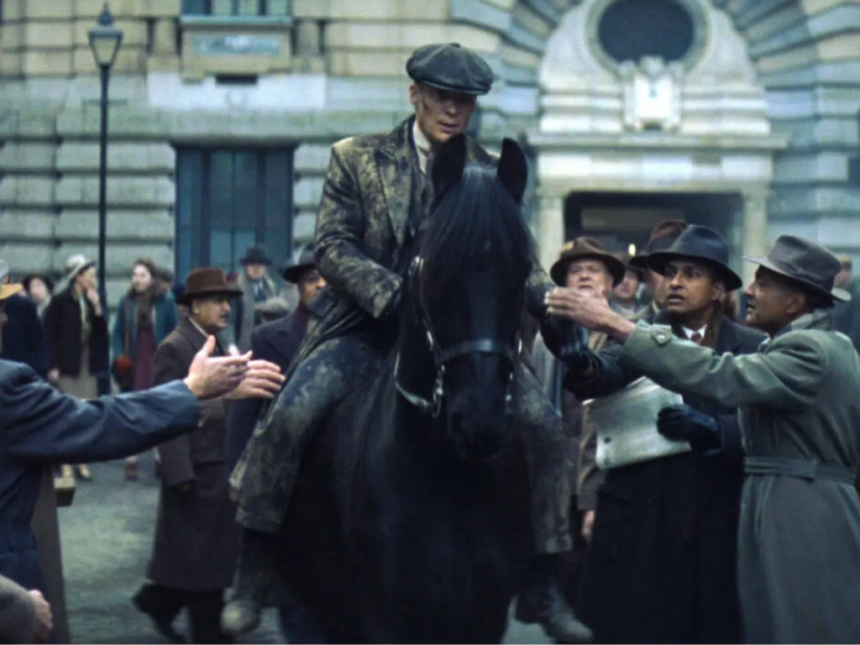
Peaky Blinders: The Immortal Man brings audiences back into the grimy, atmospheric world of Birmingham, where the legend of Cillian Murphy’s Tommy Shelby continues to loom large. Picking up in 1940, the film finds Tommy older, wearier, and more reflective. Though he’s physically paused from the ruthless power plays that once defined him, his mind remains haunted—sometimes by literal ghosts, more often by regret and the stubborn weight of legacy.
Tommy Shelby: A Lived-In Icon
Murphy slips back into Tommy with the ease of muscle memory. This isn’t the fiery man who once strode through Birmingham with commanding presence; this Tommy is heavier, tempered by experience and consequence. He carries the film with restraint, his menace now tinged with exhaustion. Power emanates not from swagger but from the quiet gravity of someone who has long shouldered the cost of his actions.
The Next Generation: Duke’s Chaos
Alongside Tommy, the story introduces his son, Barry Keoghan’s Duke, who carries the Shelby name straight into chaos. Reckless, erratic, and self-destructive, Duke threatens the fragile structures Tommy has built. Keoghan leans fully into this discomfort, portraying a character perpetually teetering between craving approval and wanting to burn everything down. The tension between father and son forms one of the film’s most compelling dynamics, messy and emotionally raw even when the writing sometimes underplays it.
Also Read :- https://youtu.be/lcvUGs3xaDM?si=xRjJZFITiZQhD0KR
Familiar Yet Strikingly Visual
The film follows a familiar “one last job” structure, embracing inevitability rather than twists. While this might sound predictable, the visual and atmospheric elements keep viewers invested. The film is a tactile experience: dim lighting cuts across faces, smoke curls through shadowy rooms, and every frame carries the weight of Peaky Blinders’ signature style. Sudden bursts of violence retain their theatrical menace, reminding audiences why the show became iconic.
Strengths and Shortcomings
While the visuals, performances, and tension land strongly, The Immortal Man sometimes leans too heavily into its own mythology. Dialogue can feel overcooked, spelling out points that silence might better convey. Big themes—legacy, war, identity—are often hinted at rather than fully explored. The film functions well as an epilogue or continuation but struggles to stand alone as a self-contained story.
Yet, for fans, returning to the world of Peaky Blinders is satisfying. From the familiar corners of the Garrison to the slow-burn tension of scheming and maneuvering, the film delivers enough of the mood, menace, and aesthetic to remind viewers why Tommy Shelby became larger than life.
A Bridge Between Eras
Ultimately, The Immortal Man exists in between: not a grand cinematic reinvention, not a mere throwaway epilogue. It bridges past and present, tying together threads while hinting at the legacies that remain unresolved. Tommy Shelby’s presence lingers, like boots echoing on wet cobblestones or a cigarette burning a little too long—impossible to ignore, even when he stands very still.
The story confirms that peace, even when sought, is fleeting in Tommy’s world. What draws him back into conflict isn’t ambition or power this time, but family—an enduring reminder that even icons are never truly free from the forces that define them.
Peaky Blinders: The Immortal Man is a haunting, stylish, and contemplative return, a film that lingers in the mind like smoke in the cold Birmingham air.