



Paradise Lost? What Ramayana Feels Like in the Age of Reels
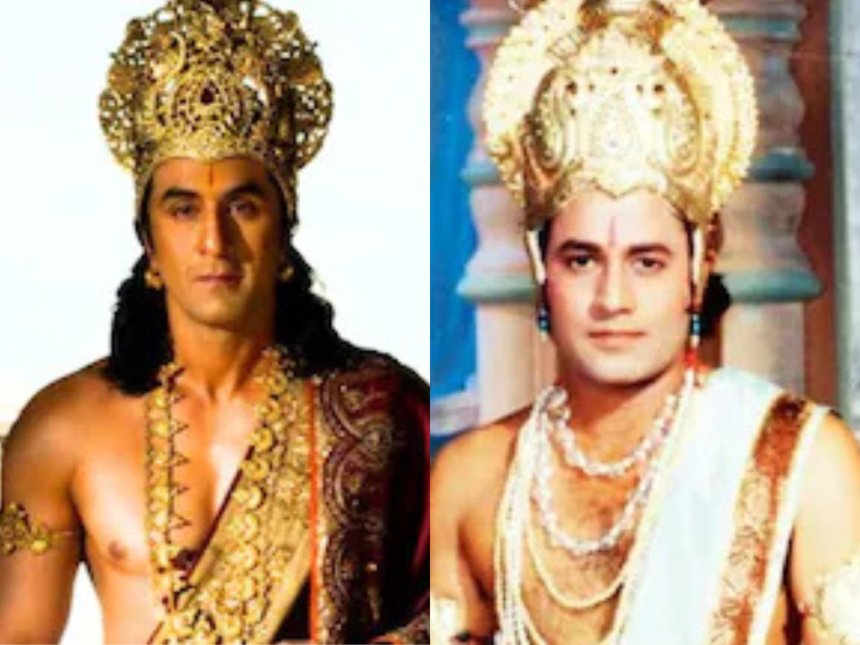
The first look of Ranbir Kapoor as Lord Rama from Nitesh Tiwari’s Ramayana launched in India recently, and as expected, the internet erupted. The teaser, a grand two-minute spectacle, was trending on social media by morning, but not all attention was positive. Memes, critiques, and hot takes flooded X (formerly Twitter), with fans debating everything from casting choices to VFX quality, and even the decision to release the first look in the United States before India.
Social Media Backlash and Mixed Reactions
A sizable section of the online audience expressed skepticism about Ranbir Kapoor’s ability to embody Lord Rama, with some claiming the Rs 4,000 crore film—bankrolled by Namit Malhotra and Yash Raj Films—was doomed to fail. Critics scrutinized the VFX, comparing the teaser unfavorably to Adipurush, the Om Raut adaptation of the Ramayana that faced backlash for its visual effects and dialogues.
However, other voices urged patience, reminding audiences that this is a cinematic reinterpretation, not a television remake. “Give the film a chance before passing judgment,” they wrote. With a film this massive, expectations are naturally sky-high.
Also Read :- https://x.com/Yours_Viru/status/2039593052541739189?ref_src=twsrc%5Etfw%7Ctwcamp%5Etweetembed%7Ctwterm%5E2039593052541739189%7Ctwgr%5Efe4f5a31688402338b557cccdcd7c11ffe681838%7Ctwcon%5Es1_c10&ref_url=https%3A%2F%2Fwww.ndtv.com%2Fentertainment%2Fparadise-lost-what-ramayana-feels-like-in-the-age-of-reels-11305854
The Weight of Legacy
The challenge Ramayana faces is rooted in nostalgia. Ramanand Sagar’s Ramayan, which aired in 1987, became a cultural phenomenon at a time when Indian television was limited and content options were few. With only one national channel and 90 lakh TV sets for a population of 82 crore, families gathered to watch the show every Sunday morning, creating a shared, communal experience.
Arun Govil and Dipika Chikhlia, then relative newcomers, became synonymous with Rama and Sita. Their portrayals were so powerful that fans continue to refer to them as demigods decades later. Yet this fame came with limitations: Govil’s film career was constrained by the Rama image, and Chikhlia declined multiple opportunities to avoid disappointing her audience. The original Ramayan was not just a show; it became a cultural touchstone, and its influence persists even in the 2020s.
Also Read :- https://x.com/Snehalsays_03/status/2039604188469141902?ref_src=twsrc%5Etfw%7Ctwcamp%5Etweetembed%7Ctwterm%5E2039604188469141902%7Ctwgr%5Efe4f5a31688402338b557cccdcd7c11ffe681838%7Ctwcon%5Es1_c10&ref_url=https%3A%2F%2Fwww.ndtv.com%2Fentertainment%2Fparadise-lost-what-ramayana-feels-like-in-the-age-of-reels-11305854
Modern Casting: Expectations vs Reality
Ramayana brings a star-studded cast to the big screen. Ranbir Kapoor as Rama, Sai Pallavi as Sita, Yash as Ravana, and Sunny Deol as Hanuman make for a compelling lineup. But unlike Arun Govil, these actors are widely recognized stars with established public personas, which invites scrutiny. Ranbir’s previous roles—as Sid (Wake Up! Sid), Bunny (Yeh Jawaani Hai Deewani), and Rannvijay (Animal)—and personal image choices, including alcohol consumption and diet, have fueled debate over whether he can convincingly portray the epitome of virtue and restraint.
Age is another factor. Rama, according to Valmiki, was 25 at the time of his exile. Arun Govil was in his late 20s, while Ranbir will be 44 when the film releases. This discrepancy has fueled discussion about authenticity and adherence to mythological timelines.
Also Read :- https://x.com/Cine_vichaar/status/2039588488895766787?ref_src=twsrc%5Etfw%7Ctwcamp%5Etweetembed%7Ctwterm%5E2039588488895766787%7Ctwgr%5Efe4f5a31688402338b557cccdcd7c11ffe681838%7Ctwcon%5Es1_c10&ref_url=https%3A%2F%2Fwww.ndtv.com%2Fentertainment%2Fparadise-lost-what-ramayana-feels-like-in-the-age-of-reels-11305854
Technology and VFX: A Double-Edged Sword
Unlike the 1987 television serial, Ramayana is leveraging cutting-edge VFX. The DNEG studio, behind Oscar-winning projects like Dune and Interstellar, is leading the effects work. Despite this, nostalgia for practical effects and simpler storytelling keeps audiences critical. Memes have exaggerated imperfections in CGI, showing the challenge of meeting both modern cinematic expectations and the reverence audiences feel toward mythological figures.
The comparison extends to other adaptations as well. The 1993 India-Japanese anime Ramayana: The Legend of Prince Rama is remembered for its visual authenticity and emotional depth, while iconic voice casting—like Amrish Puri as Ravana—still resonates decades later. Even with advanced technology, filmmakers must balance spectacle with emotional grounding.
Balancing Myth and Modernity
Ramayana is not just a story; it is an institution. Reimagining it for a modern audience means balancing reverence, spectacle, and relatability. The film’s teaser hints at a mix of grandeur, poise, and dramatic action sequences, but the filmmakers will need to maintain authenticity while appealing to younger viewers accustomed to fast-paced content on platforms like Reels and YouTube Shorts.
The stakes are further amplified by the massive budget and high-profile cast. Sai Pallavi, Yash, and Sunny Deol all carry their own star power, and expectations for their portrayals of Sita, Ravana, and Hanuman are immense. For Ranbir, this is both an opportunity and a trial: to step into a role that has historically defined careers and cultural perceptions.
Also Read :- https://x.com/Zaffar_Nama/status/2039639149398175926?ref_src=twsrc%5Etfw%7Ctwcamp%5Etweetembed%7Ctwterm%5E2039639149398175926%7Ctwgr%5Efe4f5a31688402338b557cccdcd7c11ffe681838%7Ctwcon%5Es1_c10&ref_url=https%3A%2F%2Fwww.ndtv.com%2Fentertainment%2Fparadise-lost-what-ramayana-feels-like-in-the-age-of-reels-11305854
The Road Ahead
The Ramayana team faces an uphill challenge. While CGI and star power are significant advantages, winning over audiences steeped in nostalgia and heightened by social media criticism requires meticulous care. Every look reveal, every teaser, and every snippet of dialogue will be dissected, memed, and discussed.
Fans will continue to debate, outrage will flare, and sentiments will be hurt. The filmmakers’ only path is to up their game at every level: performances, VFX, music, and narrative pacing. The journey to create a cinematic epic that honors mythology while satisfying contemporary audiences is formidable, but not impossible.
Perhaps this cautionary tale of public scrutiny is why Aamir Khan is taking his time with Mahabharat. For Ramayana, in the age of reels and instant critique, excellence is the only way forward.