





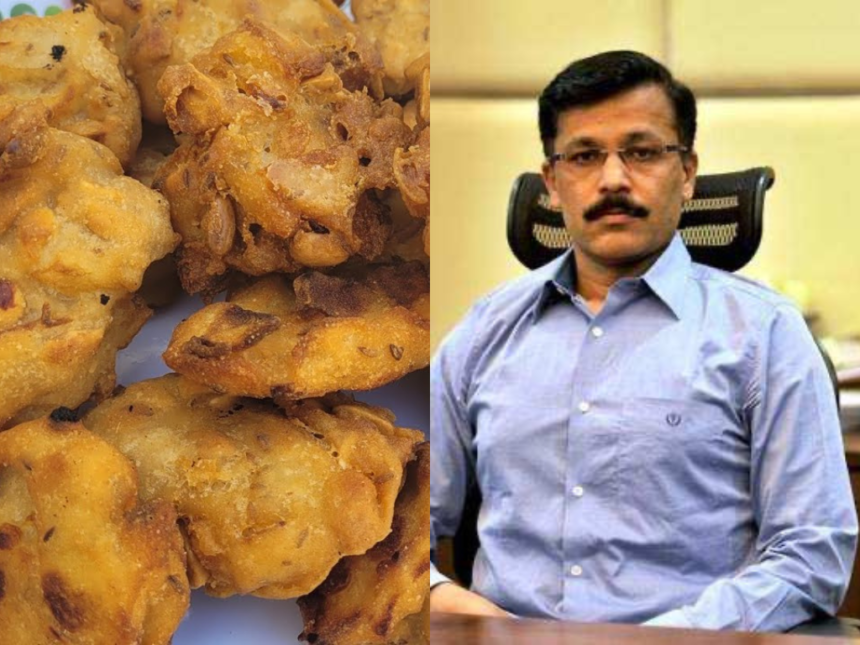
A viral video showing chicken lollipops without their familiar bright red colour has sparked a fresh conversation about food safety and the use of artificial colours in restaurants across Mumbai.
The video comes at a time when Maharashtra Food and Drug Administration (FDA) Commissioner Tukaram Mundhe has intensified inspections of restaurants and food establishments in the city. As officials step up checks, the unusual appearance of the chicken lollipops has caught the attention of social media users, many of whom are now questioning how much artificial colouring is used to make certain restaurant dishes look more appealing.
Chicken lollipops are a popular choice at restaurants and are often recognised by their striking red or orange appearance. However, the viral visuals showed the dish in a much more natural-looking shade, prompting viewers to compare the two versions and wonder whether the bright colour commonly seen in restaurants is primarily a result of added food colouring.
The discussion has also highlighted how visual presentation can influence customers. Brightly coloured food can appear more attractive and appetising, particularly in photographs and videos shared online. However, food safety experts and authorities have repeatedly stressed that any permitted food additive must be used within prescribed limits and should not be added simply to make food look more appealing.
The ongoing inspections led by FDA Commissioner Tukaram Mundhe have brought the issue into sharper focus. Restaurant kitchens and food establishments are being scrutinised as authorities work to ensure that food businesses follow hygiene and safety regulations.
The viral chicken lollipop video has therefore become more than just an internet curiosity. It has encouraged consumers to think about what goes into some of their favourite restaurant dishes and whether the colours they see on their plates are naturally occurring or added during preparation.
For restaurants, the episode serves as another reminder that food presentation should not come at the cost of safety. The use of unauthorised or excessive food colouring can raise concerns, making proper compliance with food regulations important for businesses serving large numbers of customers.
For consumers, the discussion is equally significant. People may not always know what ingredients or additives are being used behind the scenes when they order restaurant food. Increased inspections and greater public awareness can encourage establishments to maintain better standards and give customers greater confidence in what they are eating.
The viral video has also prompted a broader question: without the bright red coating, is this what chicken lollipops are naturally supposed to look like? While the appearance alone cannot establish whether a particular dish contains unsafe ingredients, the controversy has certainly drawn attention to the larger issue of artificial food colouring.
As Maharashtra authorities continue their inspections, the focus is likely to remain on hygiene, permitted additives and compliance with food safety rules. The chicken lollipop debate is a reminder that what looks attractive on a plate should also meet the necessary safety standards.