




Maharashtra’s Marathi Language Push in Transport Sector Sparks Debate, Support and Opposition
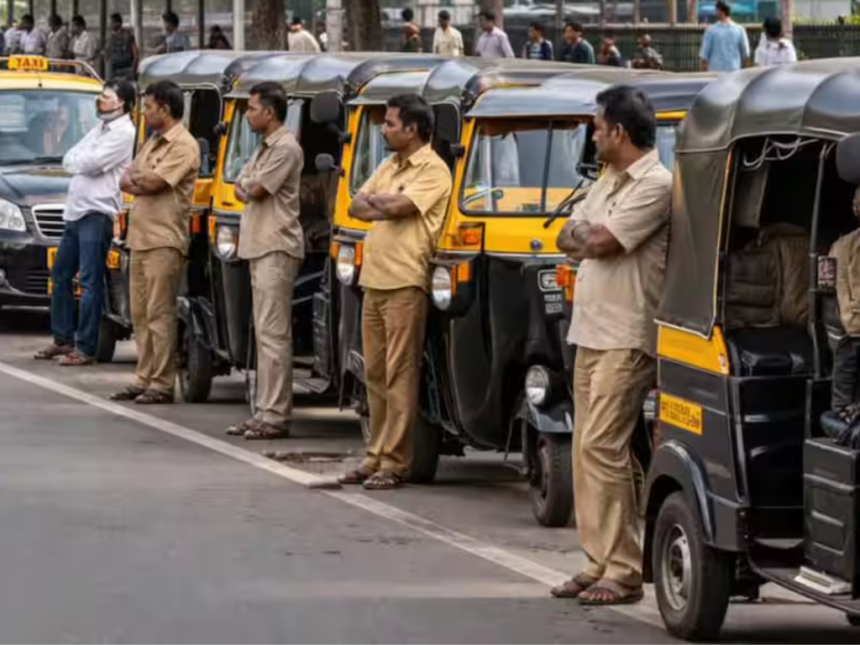
The Maharashtra government’s renewed push to promote Marathi in public-facing services has stirred a major debate across the state, particularly within the transport sector. The directive encourages auto-rickshaw drivers, taxi operators, and app-based cab drivers working with platforms like Ola and Uber to communicate with passengers in Marathi.
The move is aimed at strengthening the use of Marathi in everyday public interactions and reinforcing the state’s linguistic identity. Officials believe it will help create smoother communication between drivers and passengers while also ensuring Marathi remains central in urban public life.
Government’s push for Marathi in daily services
Transport Minister Pratap Sarnaik has backed the initiative, stating that it is designed to improve service quality and communication in the transport system. The government is reportedly working on implementation plans that may include awareness drives and basic training modules for drivers who are not fluent in Marathi.
Authorities argue that the policy is not meant to exclude anyone but to encourage wider use of the state’s official language in day-to-day interactions.
Mixed reactions from drivers and unions
The directive, however, has triggered strong reactions from driver unions and associations. Many drivers, especially those who have migrated from other states, have expressed concern over the practicality of the requirement.
Union leaders argue that while learning Marathi is welcome, mandating it for all drivers could create unnecessary pressure and affect livelihoods. Some have also warned of protests and possible agitation if the rule is enforced strictly without flexibility.
They further point out that Mumbai and other major cities in Maharashtra rely heavily on a multilingual workforce, and strict language enforcement could lead to confusion among both drivers and passengers.
Balancing identity and inclusivity
Supporters of the move say it is an important step in preserving Marathi culture and ensuring the language remains widely used in its home state. They believe it will also help improve communication, especially in local and semi-urban routes.
Critics, however, argue that public transport is a service industry that depends on accessibility and inclusivity, and any language-based requirement must be implemented carefully to avoid exclusion.
Implementation still under discussion
While the directive has been announced, its practical rollout is still being discussed. Officials are expected to hold consultations with transport unions and stakeholders before finalising enforcement guidelines.
For now, the debate continues to grow, highlighting the broader challenge of balancing cultural preservation with the realities of a diverse, multilingual workforce in Maharashtra’s fast-growing urban transport ecosystem.