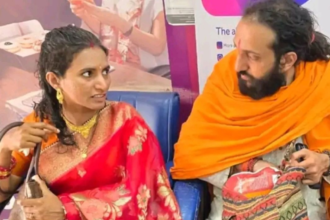



A 15-year-old girl who came under the spotlight after allegedly making abusive remarks against Prime Minister Narendra Modi during a student protest has now publicly apologised, while her mother has urged stricter rules on children’s access to social media and participation in protests.
According to reports, the teenager admitted that she made a mistake and expressed deep regret over her comments. In her apology, she said she had been influenced by others during the protest and described the incident as the “first and last mistake” of her life. She also sought forgiveness from the Prime Minister and the people of the country.
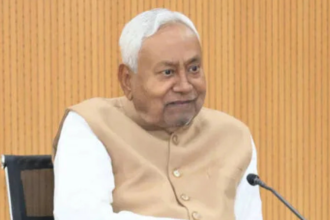
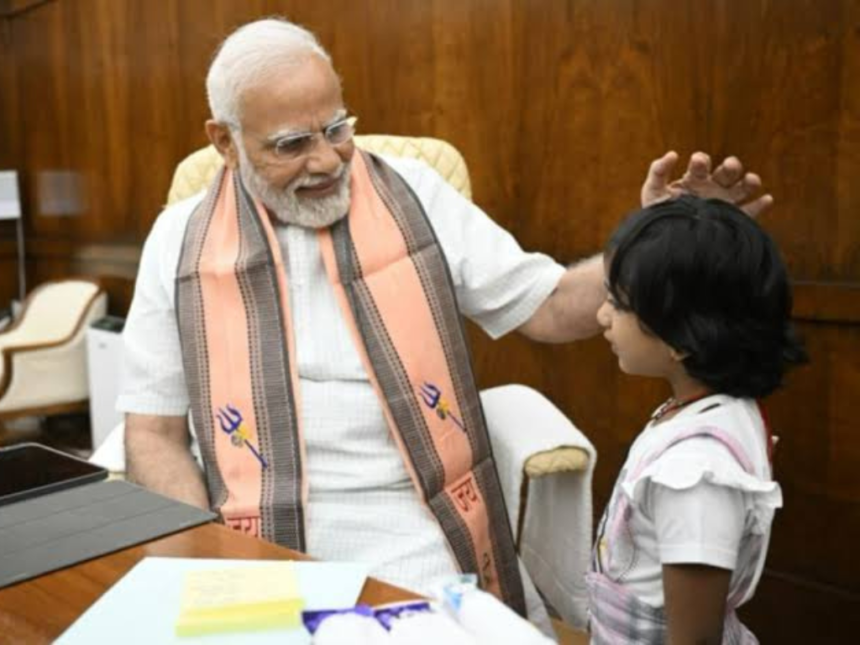
Prime Minister Narendra Modi responded to the controversy with a message of compassion rather than anger. While expressing disappointment over the language used against him and even his late mother, he said young people who lose their way should be guided rather than hated. Calling them “our children,” the Prime Minister urged the nation to forgive them and help them choose the right path.
Amid the ongoing controversy, the girl’s mother has now broken her silence. Speaking to the media, she thanked the Prime Minister for showing kindness towards her daughter and giving her a second chance. She said the family was grateful that he chose forgiveness over punishment.
The mother also made an emotional appeal to authorities, requesting stronger safeguards for minors on social media. She urged the government to restrict access to platforms such as Instagram and Facebook for children between the ages of 10 and 20, arguing that young minds are easily influenced online.
“Please ban Instagram and Facebook for children between 10 and 20 years of age. Let them only study. Put checks so that kids under 18 are not allowed into protests. These children are simply being exploited,” she said, according to India Today.
Her remarks have reignited the debate over the role of social media in shaping young minds and whether minors should participate in political demonstrations. While some have supported her concerns, others argue that education and digital awareness are more effective than blanket restrictions.
Despite the teenager’s public apology and the Prime Minister’s appeal for forgiveness, the legal proceedings have not come to an end. A police complaint has already been filed over the alleged remarks, and the matter remains under investigation, drawing mixed reactions from political leaders and the public.
The incident has sparked a nationwide conversation on balancing accountability with compassion, while also raising important questions about the influence of social media, the participation of minors in protests, and the responsibilities of parents, educators and society in guiding young people.