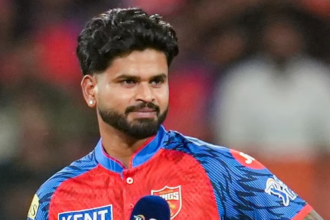





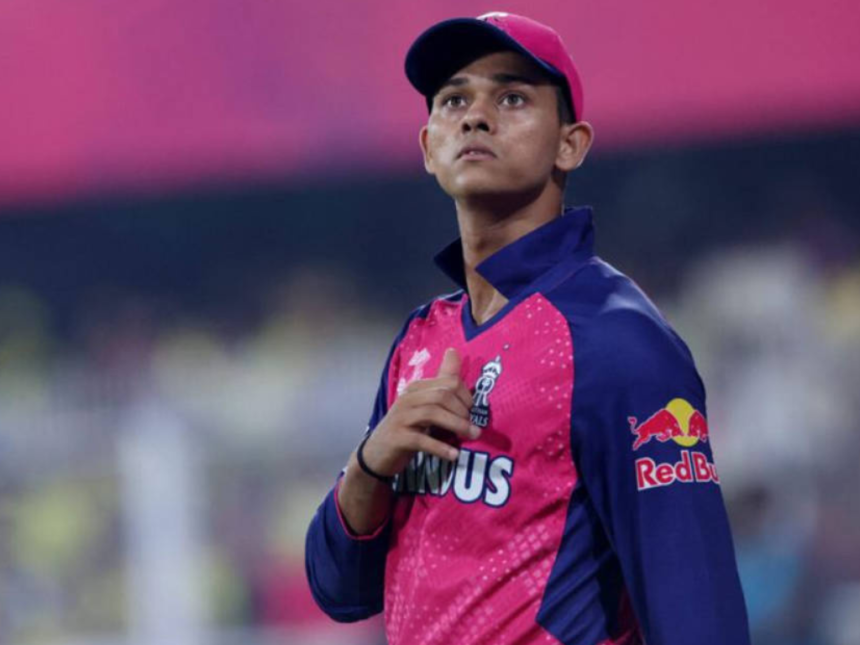
The spotlight has shifted from the cricket field to the anti‑doping corridor for young star Yashasvi Jaiswal, after reports revealed that he has been flagged by the National Anti‑Doping Agency (NADA) for missing a scheduled dope test. He isn’t alone women’s batter Shafali Verma has been issued similar notices, raising questions about their futures and the seriousness with which India’s top cricket board is viewing the situation.
What Exactly Happened?
Jaiswal and Verma both feature in NADA’s Registered Testing Pool (RTP), a high‑priority group of athletes who must submit detailed “whereabouts” information every day. This includes a one‑hour window when they are available at a specific location for out‑of‑competition dope tests.
According to multiple reports, including a detailed account from the Press Trust of India (PTI), a Doping Control Officer (DCO) arrived at the pre‑declared place and time for both players, only to find them unavailable.
- Shafali Verma was said to be missing when DCOs turned up on November 7, 2025.
- Yashasvi Jaiswal reportedly was not found at his notified address on December 17, 2025.
In February 2026, NADA formally asked both players for an explanation, but neither responded within the given time. As a result, the agency has officially recorded this as a “missed test”—a technical violation of anti‑doping rules, not a positive doping result, but still a serious procedural failure.
Warnings from NADA, BCCI, and the ICC
The Board of Control for Cricket in India (BCCI) and the International Cricket Council (ICC) have been formally notified of these “whereabouts failures.” A senior BCCI source told PTI that the board is now reviewing how the lapses happened and will take steps to prevent such incidents in the future.
The source also pointed out that cricket is returning to the Olympic Games in 2028, and the BCCI wants to ensure strict adherence to global anti‑doping protocols so the sport’s comeback on the world stage remains smooth and controversy‑free.
What Are the Possible Consequences?
Under current anti‑doping regulations, a single missed test is not an automatic ban. It counts as one “whereabouts failure,” which can include both missed tests and cases where players fail to file their whereabouts correctly.
However, the rule is strict: if an athlete accumulates three whereabouts failures within a 12‑month rolling period, it becomes a full anti‑doping rule violation. If NADA finds no convincing explanation, the player can face a suspension of up to two years.
For Jaiswal and Verma, this is currently their first strike. There is no indication yet that they have tested positive for any banned substance; the issue at this stage is about procedural compliance and communication with the agency.
A Precedent: The Case of Prithvi Shaw
Indian cricket fans still remember the 2019 incident involving Prithvi Shaw, who was handed an eight‑month backdated suspension after anti‑doping authorities detected Terbutaline, a banned substance, in his blood sample. The BCCI later stated that the prohibited substance had unknowingly come from a cough syrup Shaw was using.
That episode showed how closely the system is watching the country’s talents, and how even unintentional slips can lead to suspensions especially if there is a pattern of missed tests or filings in the future.
Why This Matters Now
Both Yashasvi Jaiswal and Shafali Verma are still in the early stages of their international careers, and their places in the Indian team are valuable. The missed dope tests will not, on their own, stop them from playing immediately, but failing to provide a valid explanation or repeating such errors could put their careers at risk.
Right now, NADA has given them a final seven‑day window to respond with a clear explanation. If they can justify their absence with credible evidence such as illnesses, miscommunication, or technical issues the matter may be treated as a one‑time lapse rather than a deliberate negligence.
What’s Next?
For fans and stakeholders, the key takeaway is that this is not a doping positive case, but it is a serious administrative red flag. The onus is on Jaiswal and Verma, and their support systems (managers, agents, and the BCCI), to ensure that their whereabouts are updated accurately and that they respond promptly to NADA whenever called.
If they manage this first stumble wisely, it can be a lesson rather than a scandal. But if further missed tests pile up in the coming months, the sport’s rising stars could find themselves in a far more difficult spot—on the wrong side of the very rules designed to keep cricket clean.