
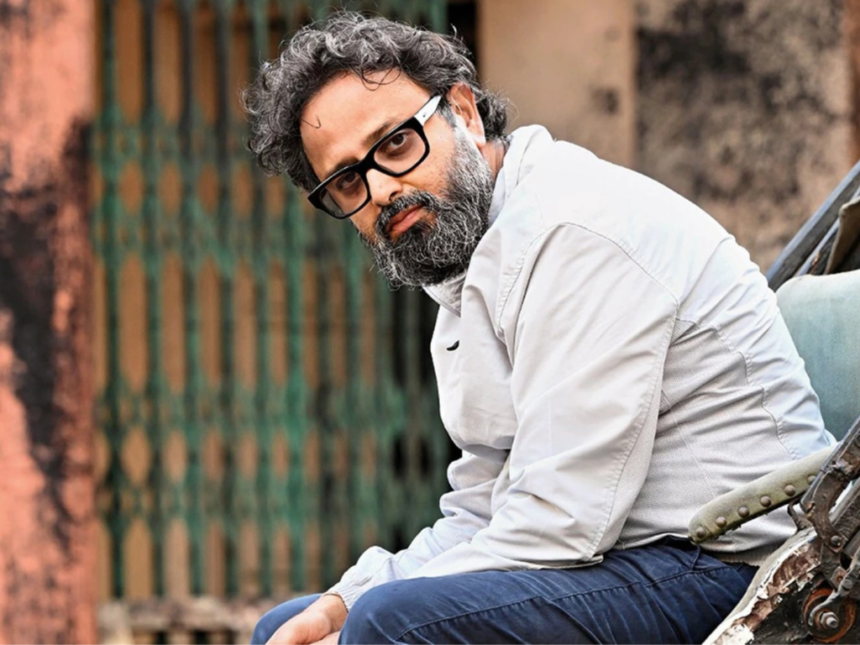
Nikkhil Advani’s career becomes even more compelling when you zoom in on the layers behind his choices—the industry grooming, the risks that didn’t always pay off, and the reinvention that has kept him relevant across theatrical and streaming eras.
From Dharma School to Independent Voice
Advani began as an assistant director under Karan Johar and Aditya Chopra, working on films like Dilwale Dulhania Le Jayenge and Kuch Kuch Hota Hai. This early exposure shaped his understanding of mainstream Hindi cinema—emotion-driven narratives, strong music, and global appeal.
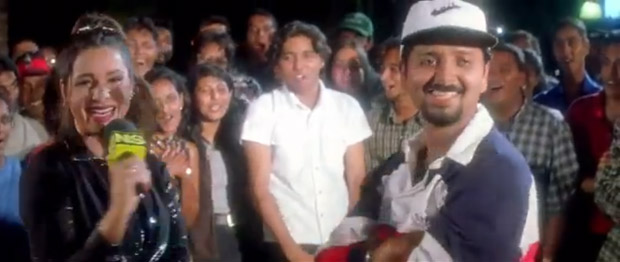
That blink-and-miss cameo in Kuch Kuch Hota Hai continues to be a trivia favourite, not just because of its novelty, but because it represents a full-circle moment: from being behind the scenes to eventually commanding big-budget sets himself.
Kal Ho Na Ho: More Than Just a Blockbuster
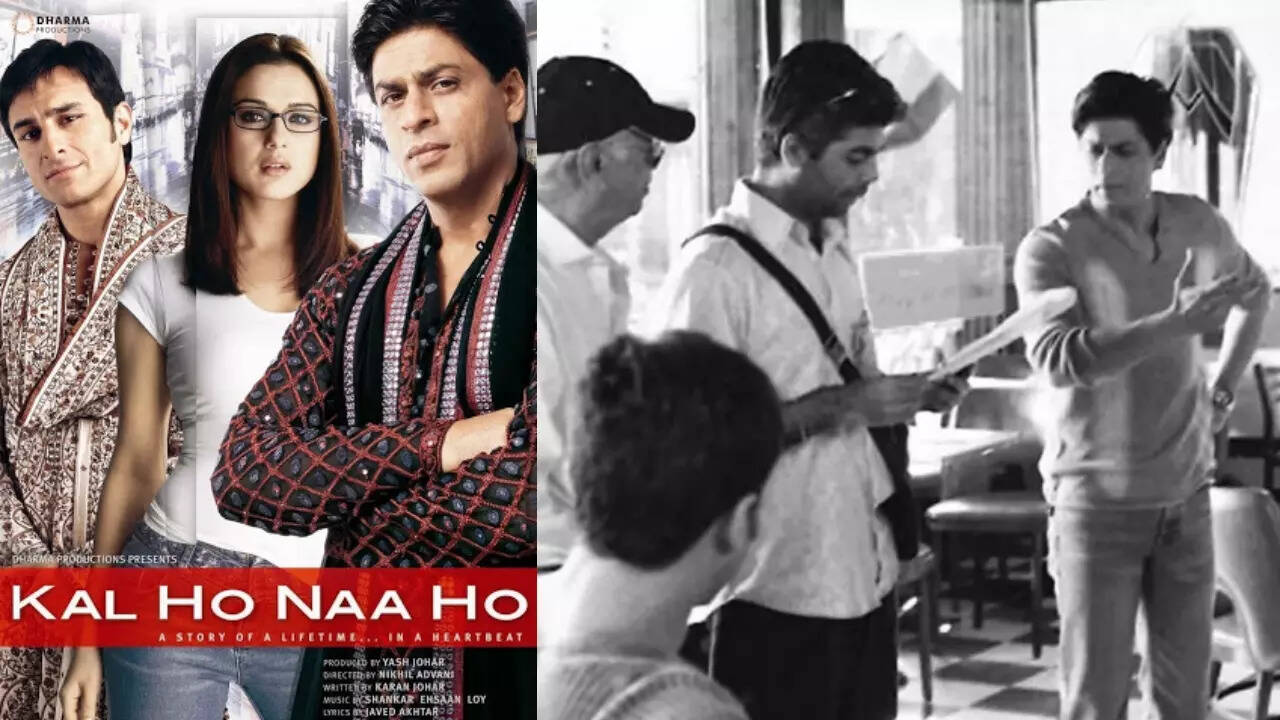
With Kal Ho Na Ho, Advani didn’t just deliver a hit—he tapped into diaspora storytelling in a way that felt both aspirational and intimate. Backed by Dharma Productions and written by Karan Johar, the film blended New York glamour with deeply Indian emotional beats.
The performances of Shah Rukh Khan, Preity Zinta, and Saif Ali Khan, along with its music and iconic dialogues, ensured longevity. Even today, it’s referenced as one of the defining romantic dramas of early-2000s Bollywood.
The Scale—and Struggle—of Salaam-e-Ishq

After such a high, Advani attempted something unusually ambitious with Salaam-e-Ishq—a multi-narrative structure inspired by Love Actually.
Mounted on a massive budget and featuring an ensemble cast including Salman Khan, Priyanka Chopra, John Abraham, and Vidya Balan, the film struggled with pacing and narrative cohesion. Audiences found it too long and emotionally uneven.
In hindsight, it was ahead of its time—Bollywood hadn’t yet fully embraced hyperlink storytelling. But commercially, it marked a turning point where Advani had to rethink his approach.
Experimentation Phase: Big Ideas, Mixed Results
Chandni Chowk to China (2009)
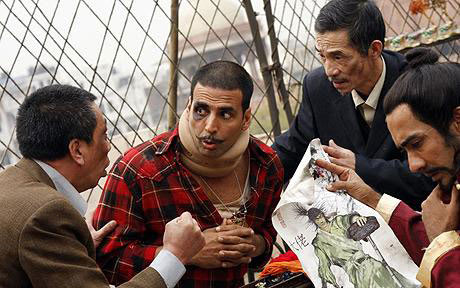
Chandni Chowk to China was one of Bollywood’s earliest attempts at a kung-fu comedy crossover. With Akshay Kumar in a dual role and international production backing from Warner Bros., it aimed for global appeal.
However, tonal inconsistency and cultural disconnect limited its impact. Over time, though, it has been reassessed as a bold, if flawed, experiment.
D-Day (2013)

In stark contrast, D-Day showcased Advani’s ability to handle grounded, politically charged narratives. With performances by Rishi Kapoor, Irrfan Khan, and Arjun Rampal, the film drew inspiration from real-world geopolitics.
Its gritty realism and morally complex characters earned critical acclaim, even if box office numbers remained modest. Today, it stands as proof of Advani’s range beyond glossy romance.
Building a Production Identity: Emmay Entertainment
Advani’s next big move was strengthening his production house, Emmay Entertainment. This phase reflects his shift from director-centric projects to content-driven storytelling.
He backed films that leaned into realism and strong narratives:
- Airlift, starring Akshay Kumar, combined patriotism with human drama and was both a critical and commercial success.
- Batla House explored a controversial police encounter, sparking debate while performing well at the box office.
- Mrs Chatterjee vs Norway, led by Rani Mukerji, highlighted a mother’s legal battle against a foreign system, earning praise for its emotional intensity.
Embracing the OTT Revolution
Advani has been particularly agile in adapting to streaming platforms. Shows like Freedom at Midnight signal his interest in historical narratives and long-form storytelling.
This transition reflects a broader industry shift—where filmmakers known for theatrical spectacles are now exploring nuanced, research-heavy subjects for digital audiences.
The Larger Pattern: Risk, Reinvention, Resilience
What stands out in Advani’s journey is not consistency in box office numbers, but consistency in ambition. He has:
- Delivered a genre-defining blockbuster
- Attempted large-scale ensemble storytelling before it became common
- Experimented with international collaborations
- Pivoted successfully into content-driven production and OTT
That mix of highs, misfires, and reinventions makes his filmography richer than it might initially appear.
The Birthday Lens
On his birthday, Nikkhil Advani’s career reads less like a straight success story and more like a case study in evolution. From a cameo in Kuch Kuch Hota Hai to shaping some of today’s most relevant stories, he remains a filmmaker who’s willing to take chances—even when the odds aren’t in his favour.