




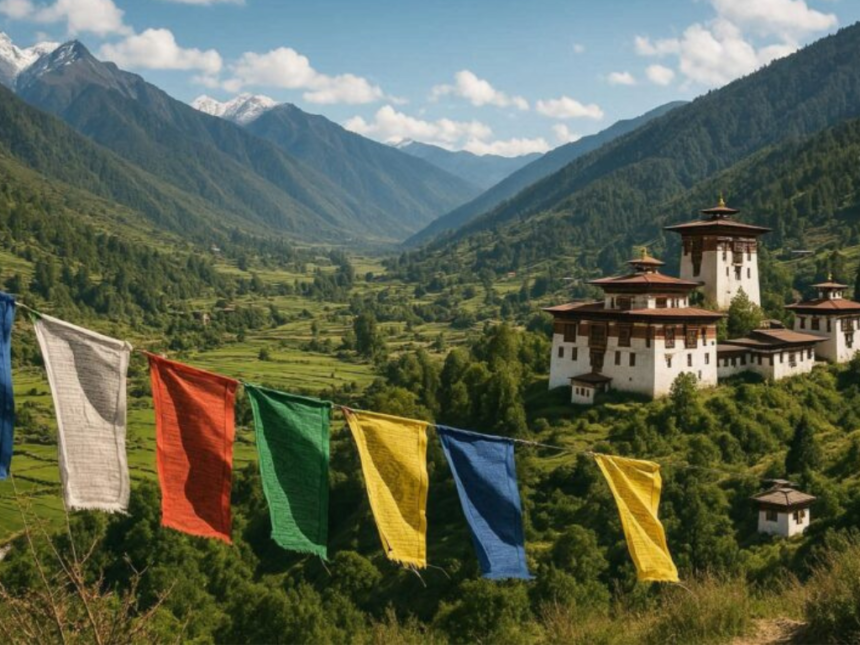
Why Johar Valley in Uttarakhand Should Be Your Ultimate Summer Escape This Year
If crowded hill stations like Shimla, Manali, and Mussoorie have started to feel more like traffic jams than peaceful getaways, then Johar Valley in Uttarakhand offers a refreshing alternative—quiet, raw, and still largely untouched by mass tourism.
Hidden deep in the Kumaon Himalayas of Pithoragarh district, Johar Valley stretches along the Gori Ganga River towards the Milam Glacier, close to the Indo-Tibet border. It is one of those rare places in India where summer still feels like summer should—cool, calm, and deeply connected to nature.
A Valley Framed by the Himalayas
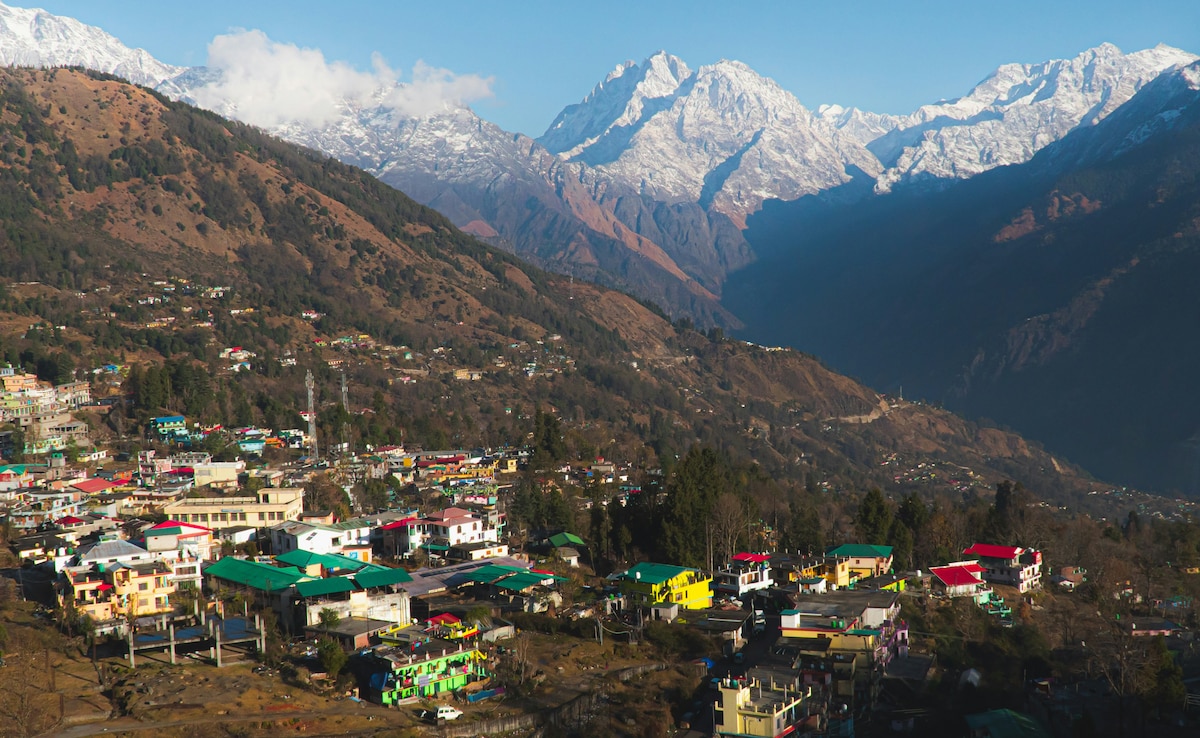
The valley begins near Munsiyari, a small mountain town often called the “Little Kashmir of Uttarakhand.” From here, the landscape opens into dramatic views of towering Himalayan peaks such as Nanda Devi, Trishul, Nanda Kot, Hardeol, and the Panchachuli range.
On clear mornings, the snow-capped peaks glow golden at sunrise, creating a scene that feels almost unreal. Unlike commercial hill stations, Johar Valley still offers uninterrupted views and silence broken only by wind and rivers.
A Valley With a Rich Trading Past
Johar Valley was once an important Indo-Tibetan trade route used by the Johari Shauka community, a Bhotiya group known for cross-border trade in wool, salt, and herbs. This historic connection gave the valley a unique blend of Kumaoni and Tibetan cultural influence.
After the 1962 Indo-China war, the trade route was shut, and many villages along the path were gradually abandoned. Today, ruins like the old settlements near Milam stand as quiet reminders of a once-thriving mountain economy.
Why Summer Is the Best Time to Visit
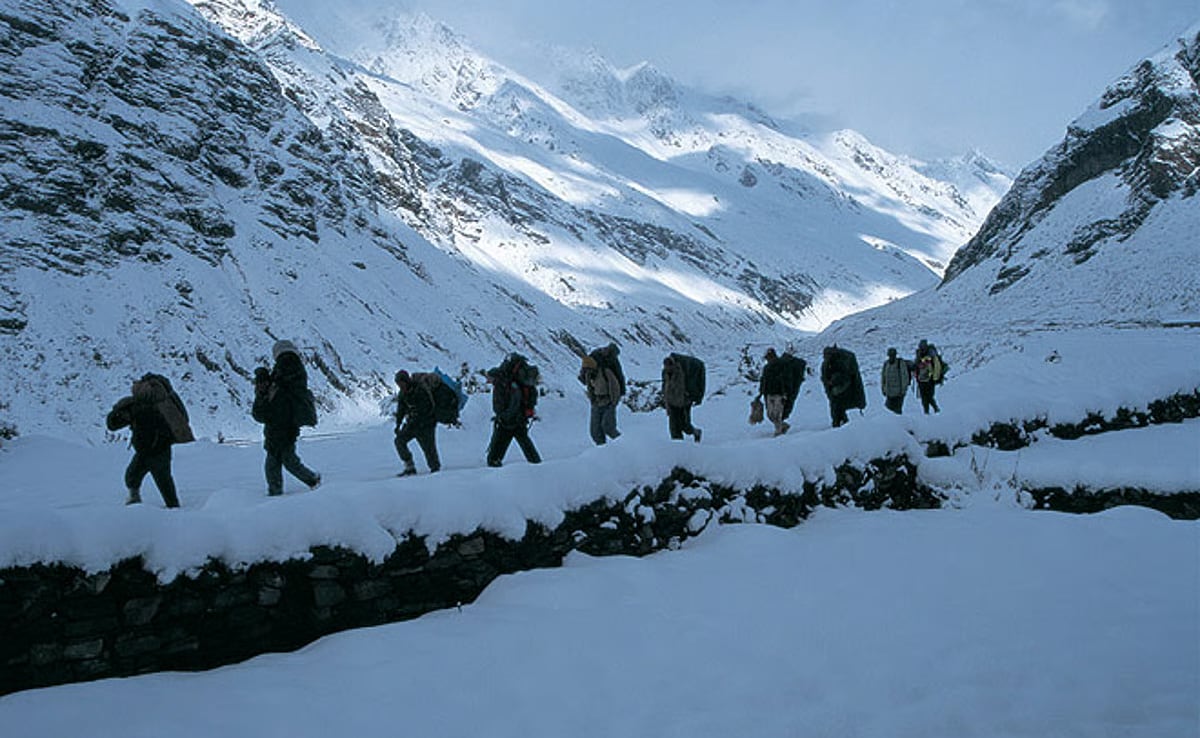
Johar Valley is accessible only between May and October, when snow clears the trails.
During May and June, the valley transforms into a natural paradise:
- Meadows bloom with wild Himalayan flowers
- Rhododendron forests turn red and pink
- Temperatures stay between 10°C and 20°C
- Nights remain cold, even in peak summer
Unlike overrun destinations, Johar Valley does not get packed with tourists. Instead, you’ll find trekkers, photographers, birdwatchers, and those looking for solitude in nature.
The Milam Glacier Trek Experience
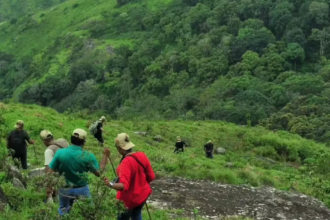
The highlight of the region is the trek to Milam Glacier, one of the largest glaciers in the Kumaon Himalayas. The journey is challenging but deeply rewarding.
The route passes through:
- Suspension bridges over the Gori Ganga
- Forests of pine and birch
- Remote villages like Martoli and Burfu
- Ancient stone paths from the old trade route
At the end of the trek, the massive Milam Glacier spreads across the landscape, with views of peaks like Nanda Devi and Hardeol creating a dramatic Himalayan panorama.
Life in Munsiyari

Before entering deeper into the valley, travellers often spend time in Munsiyari. Beyond being a trekking base, it offers peaceful village life, small cafés, local markets, and cultural experiences.
Popular nearby activities include:
- Sunrise views of the Panchachuli peaks
- Short hikes like Khalia Top
- Visits to the Nanda Devi Temple
- Exploring the Tribal Heritage Museum
Culture of the Johari Shauka Community
The people of Johar Valley maintain a fascinating cultural identity shaped by centuries of trade and high-altitude living. Their traditions combine Himalayan Hindu practices with Tibetan influences.
Handwoven textiles, local herbs, and traditional stone homes define their lifestyle. Many families still return to higher villages during summer to continue age-old practices like herb collection and seasonal farming.
Wildlife and Natural Beauty

Johar Valley is also a haven for wildlife lovers. The region is home to:
- Himalayan griffons
- Snow leopards (rare sightings)
- Blue sheep (bharal)
- A wide variety of mountain birds
For birdwatchers and photographers, the valley offers some of the richest biodiversity in the Himalayas.
A Destination for Those Who Seek Silence
Johar Valley is not about luxury resorts or crowded cafés. It is about:
- Empty trails
- Clean mountain air
- Glacier-fed rivers
- And landscapes that feel untouched by time
It demands effort to reach, but rewards travellers with something increasingly rare in India—true solitude in the mountains.
If you are planning a summer escape that goes beyond the usual hill stations, Johar Valley might just be the kind of journey you remember long after the trip ends.