




Kannauj: India’s Perfume Capital Where Fragrance Has Flowed for Over 400 Years
Hidden quietly along the banks of the Ganga in Uttar Pradesh, Kannauj is often called the Perfume Capital of India—a title earned through centuries of crafting traditional attars that have scented everything from Mughal courts to modern-day rituals.
Located roughly four hours from Agra and under two hours from Lucknow, Kannauj is not just another small Indian city. It is a living archive of history, heritage, and fragrance, where the air itself carries notes of flowers, herbs, and earthy oils.
A city where history meets fragrance
Long before it became synonymous with perfume, Kannauj—once known as Kanyakubja—was a powerful ancient city. It rose to prominence during the reign of Harshavardhana in the 7th century and later became a strategic stronghold during the tripartite struggle between powerful Indian dynasties.
Over time, empires fell and political importance faded, but one craft survived and flourished: perfumery.
The legacy of attar-making
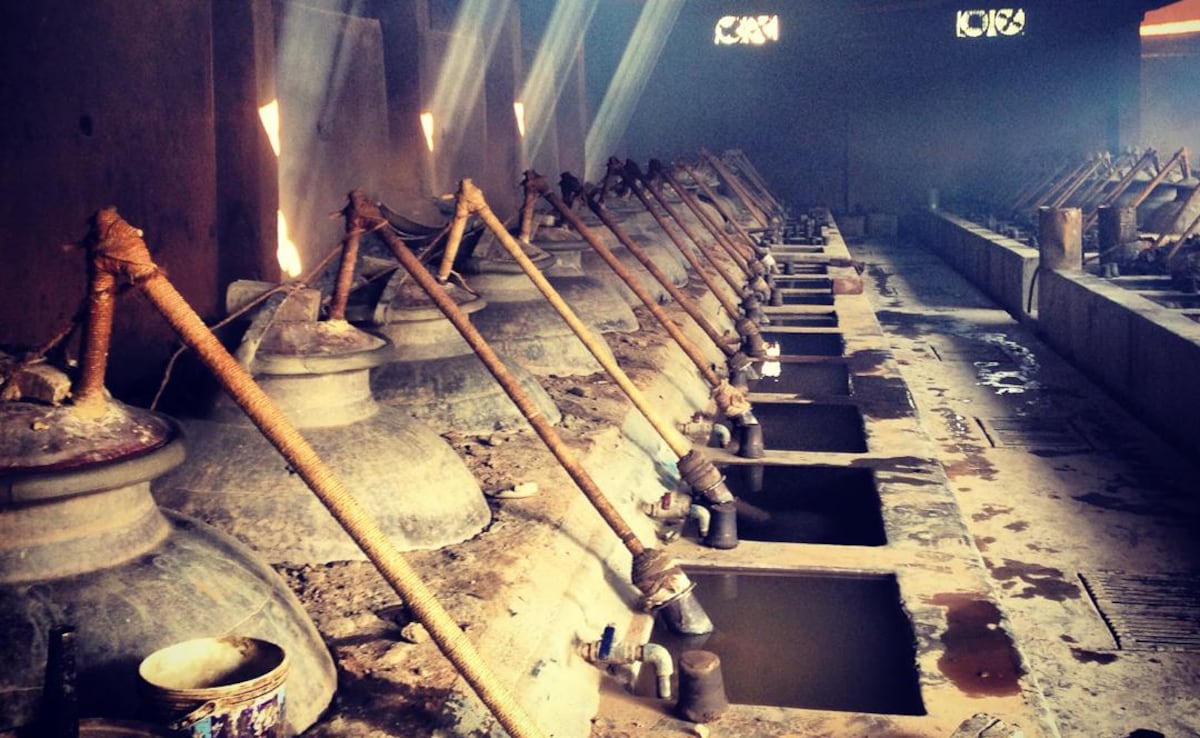
For over 400 years, Kannauj has been producing traditional oil-based perfumes known as attars, using age-old distillation techniques passed down through generations. Unlike modern alcohol-based perfumes, attars are natural, long-lasting, and deeply rooted in India’s cultural and spiritual practices.
These fragrances are created using copper stills, slow wood-fired distillation, and natural ingredients like roses, jasmine, vetiver, saffron, and marigold. One of the most unique creations is mitti attar, which captures the scent of rain-soaked earth.
Kannauj’s attars were once highly prized by Mughal royalty, including emperors like Akbar and Jahangir, who maintained dedicated departments for fragrance development in their courts.
Why Kannauj became India’s perfume hub
The city’s geography plays a major role in its identity. Situated on fertile alluvial soil near the Ganga, Kannauj is ideal for growing highly fragrant flowers such as Damask roses and jasmine. These blossoms form the foundation of its perfume industry.
Even today, rose fields around the region supply fresh petals to distilleries at dawn, ensuring maximum fragrance extraction before the heat sets in.
The art of attar-making
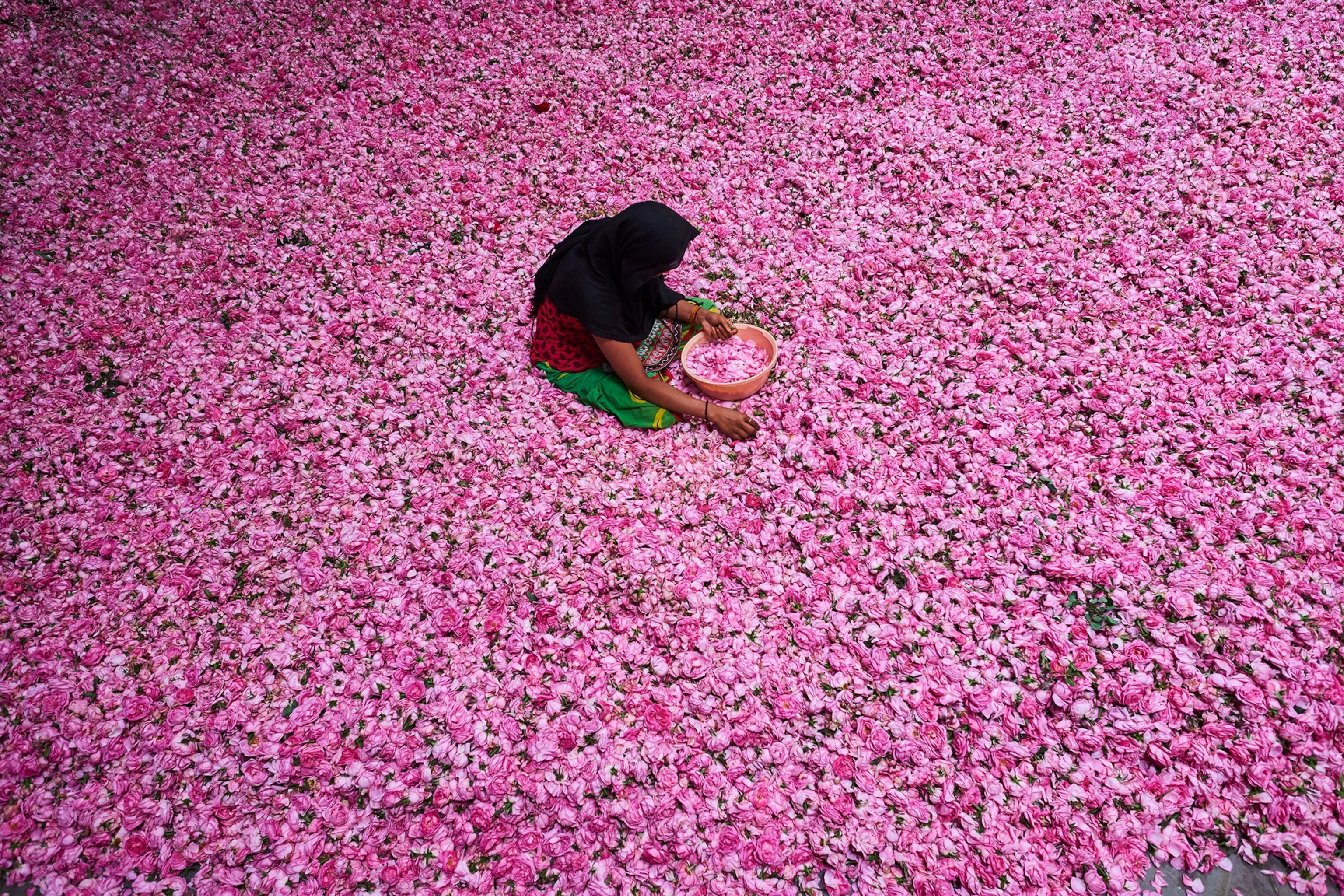
At the heart of Kannauj’s perfume industry is the traditional degh-bhapka method—a slow distillation process using copper vessels. Steam carries the essence of flowers into another chamber where it is absorbed into sandalwood oil.
The result is a concentrated natural perfume that can last for days. Some blends, like shamama, are made from over 40 ingredients and aged for months to develop depth and complexity.
A city of contrasts
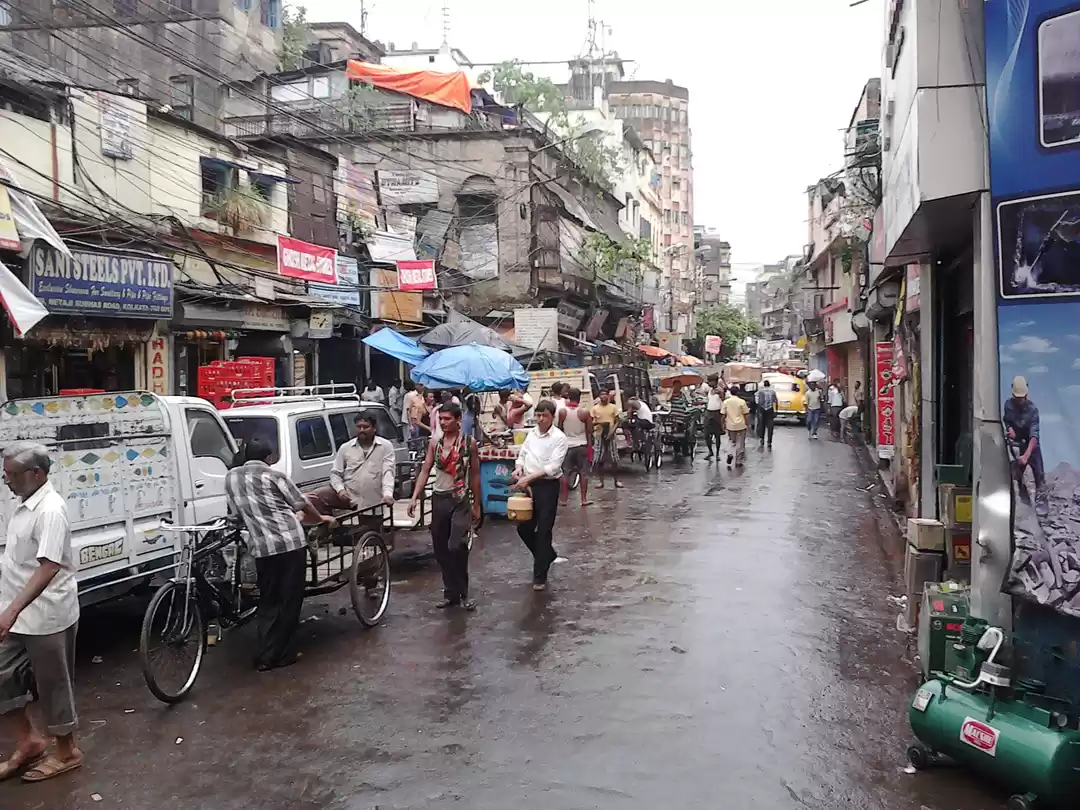
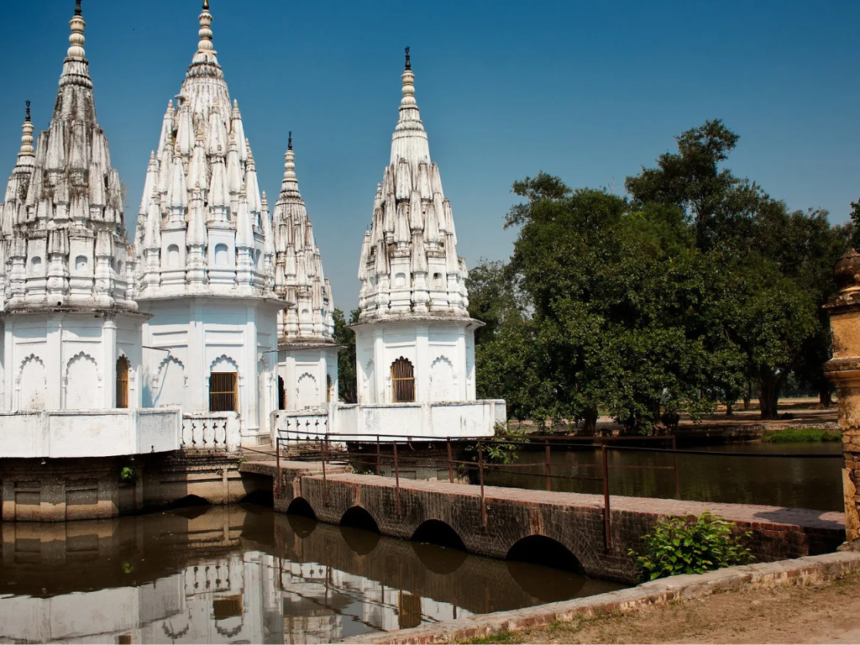
Despite its global reputation in niche fragrance circles, Kannauj remains modest in appearance. Ancient forts, domed structures, and historic temples stand alongside busy markets and everyday life.
Landmarks such as Kannauj Fort and local ghats along the Ganga reflect its layered past, while bustling bazaars continue its living tradition of scent trade.
Challenges and revival
The attar industry faced setbacks during the colonial era and later due to restrictions on natural sandalwood and the rise of synthetic perfumes. Many traditional distilleries shut down or adapted to modern demands.
However, interest in natural fragrances is slowly reviving the craft, with both domestic and international demand growing for Kannauj’s authentic perfumes.
Why Kannauj still matters today
In a world dominated by synthetic scents and mass production, Kannauj stands as a rare example of slow, handmade artistry. Its perfumes are not just products—they are cultural memory bottled into fragrance.
From rose attar to earthy mitti blends, Kannauj continues to preserve a sensory heritage that has survived for centuries, making it truly deserving of its title: India’s Perfume Capital.