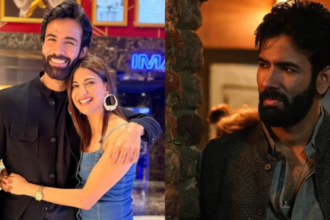






Actor Vijay Deverakonda believes that actors should have the freedom to say no to revealing outfits or intimate scenes if they feel uncomfortable. The actor shared his views on personal boundaries in the entertainment industry during an appearance on Karan Johar’s Koffee With Karan Season 9, where he appeared alongside his wife, actress Rashmika Mandanna.
During the conversation, Vijay spoke about the pressure performers can experience when they have already committed to a film but later feel uncomfortable with a particular scene or costume. He believes that an actor’s decision to refuse something they are not comfortable with should not automatically lead to them being labelled unprofessional.
The discussion highlighted an important issue in the film industry: balancing a character’s requirements with an actor’s personal comfort and consent. While certain scenes, costumes or looks may be part of a film’s creative vision, actors should also be able to communicate their concerns without fear of being judged or criticised.
Rashmika Mandanna also opened up about her own experiences with costumes and the boundaries she maintains while choosing projects. The actress explained that commercial films sometimes require actors to wear outfits they may not feel entirely comfortable in. However, she believes that everyone should have the freedom to decide what works for them.
“There are some things which I am not okay with. I know some characters need some things like a bikini or like that. But, even in that, I will say I am not comfortable with that exposing and skin show. I am not that kind of a person,” Rashmika said.
The actress made it clear that she has certain personal boundaries when it comes to revealing costumes and on-screen appearances. Although she understands that particular outfits may be required for a character, she prefers to be honest about her comfort level rather than agree to something that does not feel right to her.
Rashmika further explained that she looks for filmmakers who understand her perspective and are willing to respect her choices. According to her, communication between actors and directors plays an important role in finding a balance between creative requirements and personal preferences.
“But again, when you do commercial films, there will be these costumes, that you are not completely comfortable with. But there are some lines that I draw for myself. More so often, the directors are okay with it because those are the people I prefer working with,” she added.
The conversation offered a glimpse into how both actors view consent, comfort and professionalism in filmmaking. Their comments also underline the importance of creating a working environment where performers can express their concerns openly and work with directors who respect their boundaries.
Vijay and Rashmika’s remarks are likely to resonate with many people in the entertainment industry, particularly as discussions around consent and creative freedom continue to gain attention. Their message is simple: being committed to a role does not mean an actor should have to compromise on personal boundaries, and saying no to an uncomfortable scene should not be treated as a lack of professionalism.