



Shabana Azmi Speaks Out Against Objectification in Item Songs, Raises Concerns Over Lyrics and Social Impact
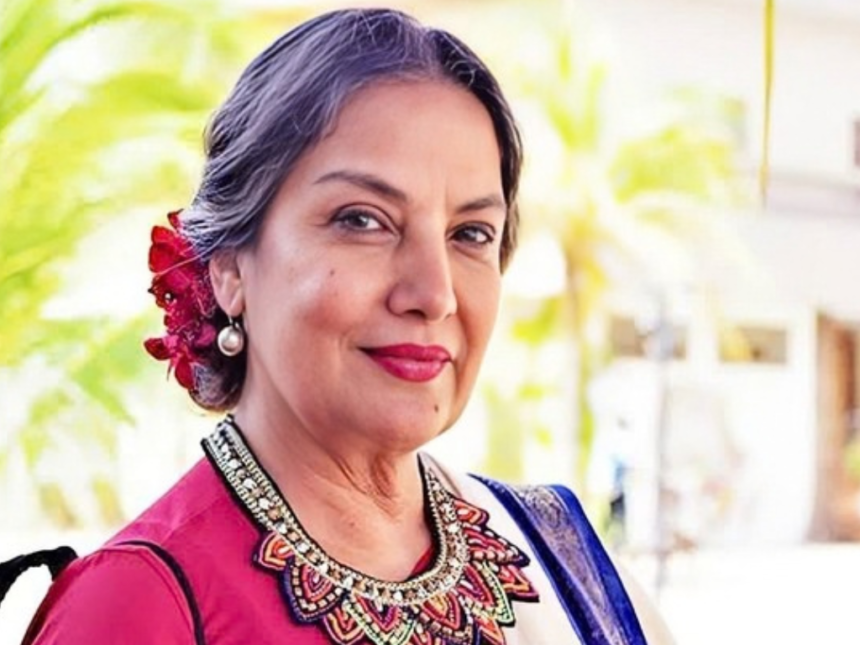
Veteran actor Shabana Azmi recently opened up about her concerns regarding item numbers in films while speaking at the We The Women event held in Mumbai. During the discussion, the acclaimed performer spoke candidly about how women are often portrayed in cinema and why certain song sequences make her deeply uncomfortable.
Highlighting the power of visual storytelling, Azmi said that cinema is largely defined by the images it presents on screen. According to her, the way a camera frames and moves around a performer’s body can reveal the filmmaker’s intention and often influences how audiences perceive women.
“Cinema is defined by the image. So when you have disconnected images, like for example, a heaving bosom, or shaking navel, you cut them into fragments and how the camera moves around the body is what decides what the intention of the director is,” she said.
Azmi explained that many item numbers rely on fragmented shots of a woman’s body rather than presenting her as a complete character. She believes this approach often reduces women to visual objects and encourages the idea of the male gaze dominating the narrative of such songs.
She added that in many of these sequences, the woman on screen appears to surrender control to the gaze of the audience and the camera. “In such songs, a woman loses all control and surrenders to the male gaze,” she noted, adding that the portrayal can reinforce problematic stereotypes rather than celebrate female agency.
The actor also raised strong objections to the lyrics commonly used in these songs. According to Azmi, many of the words sung in item numbers contribute to the objectification of women and can make the performer appear as though she is objectifying herself.
Azmi further expressed concern about how society consumes and reacts to these songs. She pointed out that people often enjoy the music and dance without paying attention to the meaning behind the lyrics.
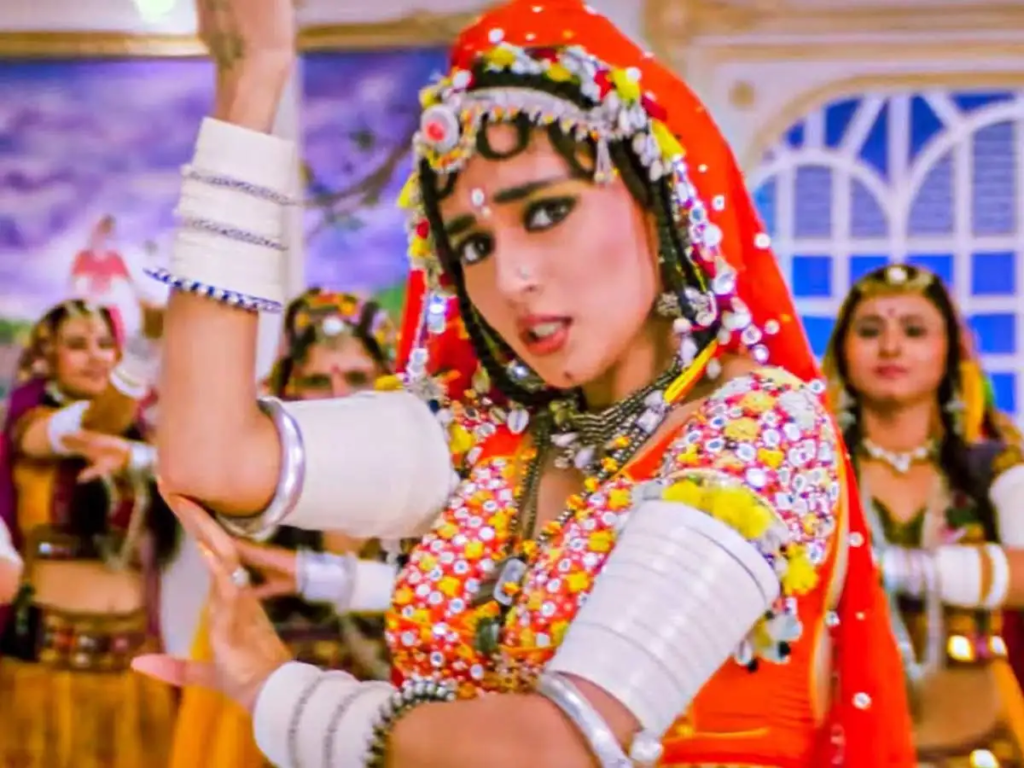
Citing the well-known song Choli Ke Peeche Kya Hai from the film Khalnayak, she said it particularly troubles her when young children perform or sing such tracks at social gatherings. According to her, adults frequently encourage or laugh along without considering the implications of the words.
“What then worries me is the society’s reaction to it, because then you go to these functions and there are little children singing ‘Choli ke Peeche kya hain’ and everyone is laughing. Nobody is paying attention to the words and are just going with it,” she said.
Azmi’s remarks sparked thoughtful discussions among attendees at the event about the responsibilities of filmmakers, performers, and audiences when it comes to representation in cinema. Over the years, the actor has been known for speaking openly about issues related to gender equality, artistic responsibility, and social awareness in the film industry.
Her comments once again reignited a broader conversation about the portrayal of women in mainstream entertainment and whether item songs should evolve to reflect more respectful and meaningful representation.