




Israel Strikes Over 200 Targets in Iran; Saudi Arabia Intercepts Drones as Middle East Conflict Escalates
Israel has intensified its military campaign against Iran with large-scale air strikes, targeting more than 200 military and strategic facilities in western and central parts of the country — including ballistic missile launchers, air defence systems and combat production sites. The operations mark a dramatic escalation in the wider West Asia conflict that has drawn in Gulf states and multiple regional powers.
Major Air Strikes and Targets Hit
According to the Israeli Air Force, dozens of fighter jets conducted extensive sorties in recent days, hitting Iranian defence infrastructure and strategic sites as part of Operation “Roar of the Lion,” which aims to reduce threats against Israeli territory. Among the key targets was the Taleghan compound, a site Israel claims was used to advance Iran’s nuclear-related and explosive development work.
High-Profile Commanders Eliminated
Israel’s military reported the elimination of several high-ranking figures linked to Iran’s Revolutionary Guard and Hezbollah operations, including leaders tied to missile coordination and strategic units. These strikes have reportedly disrupted Iran-backed militant networks and command structures active in Lebanon and Syria.
Regional Tensions Spike with Drone and Missile Threats
As air strikes on Iranian soil intensified, tensions spread across the Gulf:
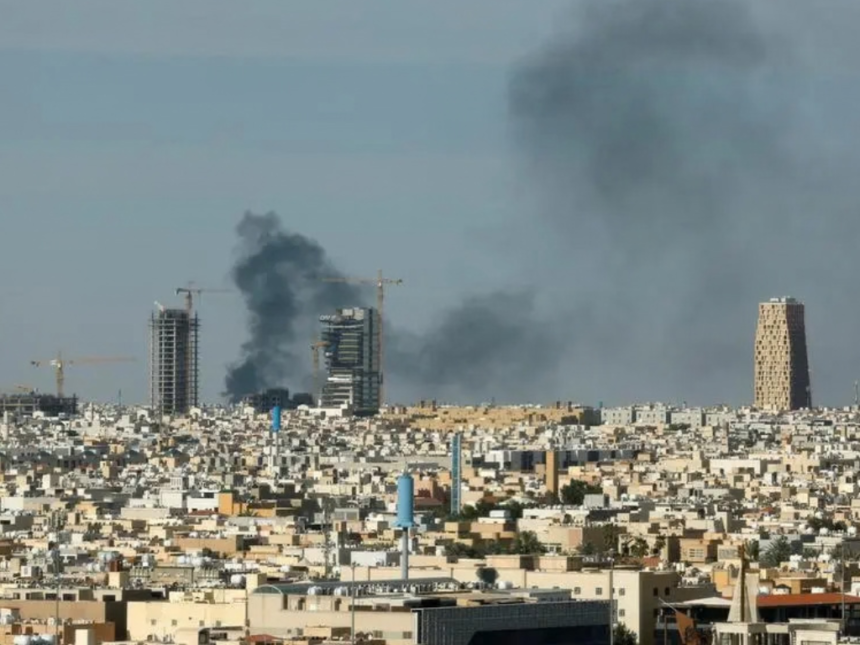
- Saudi Arabia’s Ministry of Defence said it had intercepted and destroyed multiple hostile drones targeting various regions of the kingdom, including in the Al‑Kharj governorate and eastern provinces. No casualties were reported. (Kashmir Observer)
- In Dubai, debris from an intercepted aerial threat struck a central city building, causing minor structural damage but no injuries, according to the Dubai Media Office. (Al Arabiya English)
Reports indicate that ballistic missiles and drone attacks from Iranian-linked groups have also targeted Kuwait and other Gulf states, with air defences across the region working to neutralise incoming threats.
Iran’s Stern Warnings and Strategic Moves
Iran’s leadership has warned of severe consequences if its key energy infrastructure or ports are attacked. Officials stated that any assault on the nation’s oil and gas facilities could trigger devastating retaliation that would affect critical regional interests.
Additionally, Iranian authorities recently tightened navigation restrictions in the Strait of Hormuz, a vital global oil shipping route used by nearly one‑fifth of the world’s crude exports, heightening concerns about broader disruption to global markets.
Gulf and Iraq Security Fallout
The conflict has already impacted security situations beyond Iran and Israel. There have been reports of airspace closures, military threats to international hubs and attacks against bases in Iraq’s northern region. Some coalition forces have begun adjusting deployments in response to rising threats in the area. (Reuters)
Global and Economic Impact
The ongoing hostilities have disrupted air travel across the region, forced airlines to reroute flights, and caused spikes in oil prices above $100 per barrel, reflecting concerns over supply security. Global stock markets have also reacted to rising geopolitical risk, while major energy and logistics hubs are bracing for prolonged instability. (Reuters)
International Condemnation and Diplomatic Strain
Several nations, including the United States, Gulf states, and NATO members, have condemned missiles and drone attacks originating from Iranian‑aligned forces, citing violations of sovereignty and international norms. Nations have also expressed support for defensive measures by targeted states, underscoring the widening diplomatic rifts.
The conflict shows no sign of abating, with both military operations and diplomatic fallout continuing to reshape the security landscape of the Middle East and ripple across global political and economic systems.