





Baisakhi 2026: Celebrating Harvest, Heritage, and New Beginnings Across India
Today, April 14, marks the joyous festival of Baisakhi a vibrant occasion that signifies the Solar New Year in the Punjabi calendar and one of India’s most cherished harvest celebrations. Rooted in gratitude, prosperity, and renewal, Baisakhi reflects the deep connection between nature, agriculture, and cultural traditions.
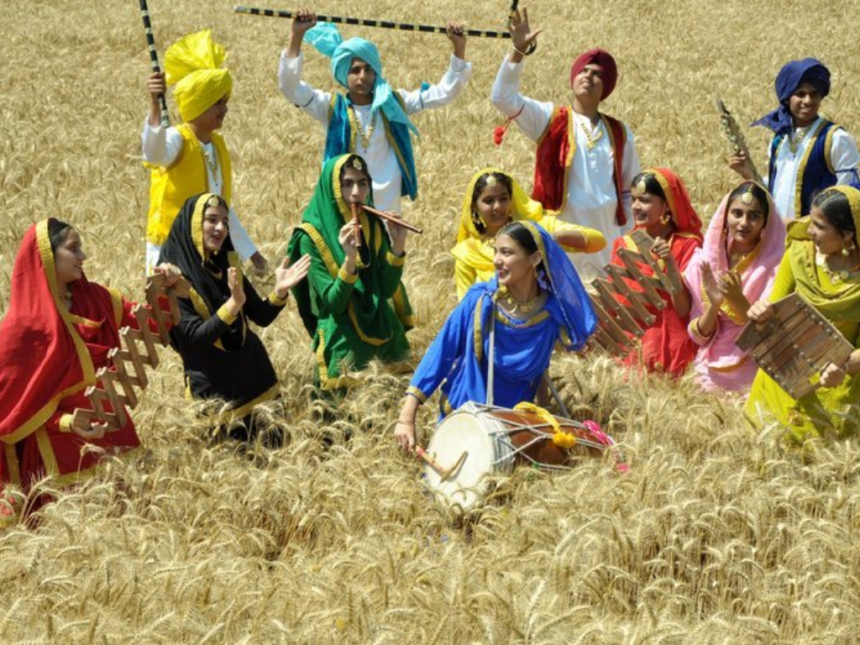
Across the fertile lands of Punjab and Haryana, golden wheat fields stand ready for harvest, symbolizing months of hard work by farmers and the promise of abundance. The festival transforms villages and cities alike into lively spaces filled with joy, where the rhythmic beats of the dhol set the tone for energetic folk dances like Bhangra and Gidda. These performances are not just entertainment—they are expressions of gratitude and celebration of life itself.
Baisakhi also holds deep historical and spiritual significance, particularly for the Sikh community, as it commemorates the formation of the Khalsa Panth in 1699 by Guru Gobind Singh. This adds a profound layer of devotion and unity to the festivities, with devotees visiting gurdwaras, offering prayers, and participating in community service.
While Baisakhi is most prominently celebrated in North India, its spirit resonates across the country under different names. In Kerala, the festival is observed as Vishu, marking prosperity and auspicious beginnings. In Assam, it is celebrated as Bohag Bihu, filled with music, dance, and feasting. Meanwhile, in West Bengal, people welcome the new year with Poila Baisakh, embracing fresh starts and cultural traditions.
Despite regional differences, the essence remains the same—a celebration of nature’s bounty, a time to express gratitude, and an opportunity to embrace new beginnings with hope and positivity.
As Baisakhi 2026 unfolds, it serves as a beautiful reminder of India’s rich cultural diversity and the shared values that unite its people gratitude, joy, and the promise of a brighter tomorrow.