




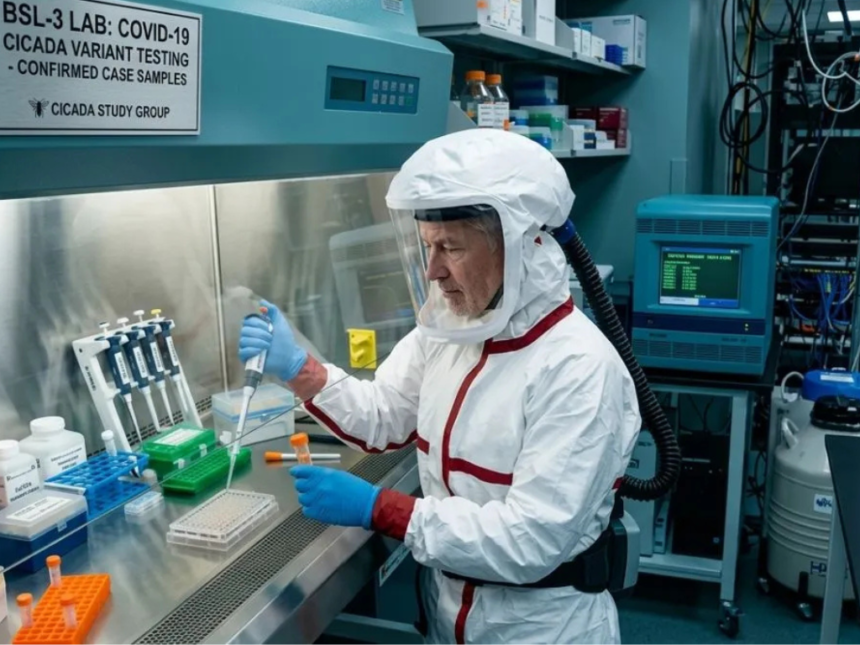
A new subvariant of COVID-19, known as BA.3.2 and informally dubbed the “Cicada” variant, has been detected across multiple countries, prompting increased global health surveillance. First identified in South Africa, the subvariant has since spread to the United States and at least 22 other nations, including the United Kingdom, Germany, France, Japan, and New Zealand.
Health experts have noted that BA.3.2 carries a significant number of mutations in its spike protein — the part of the virus responsible for entering human cells. These mutations may allow the variant to partially evade existing immunity, potentially increasing the likelihood of reinfection even among previously infected or vaccinated individuals. Despite this, early observations suggest that most reported cases linked to the variant have been mild to moderate in severity.
Global health authorities are currently classifying the strain as a “Variant Under Monitoring,” indicating that while it requires close observation, it has not yet shown characteristics severe enough to be labeled a higher-risk category. Scientists and public health officials are continuing to study its transmissibility, immune escape potential, and overall clinical impact.
Surveillance systems around the world are actively tracking the spread of the variant through clinical testing and wastewater monitoring a method that has proven effective in detecting early signs of viral circulation in communities. These efforts aim to provide timely insights and help authorities respond quickly if the situation escalates.
Experts continue to emphasize the importance of vaccination, particularly for high-risk populations such as the elderly and those with underlying health conditions. Preventive measures like maintaining hygiene, staying updated with booster doses, and monitoring symptoms remain key tools in managing the spread.
While there is no immediate cause for alarm, the emergence of the BA.3.2 “Cicada” variant serves as a reminder that the virus continues to evolve. Health agencies worldwide remain vigilant, working to ensure that any potential risks are identified early and addressed effectively.